
Sapa is one of the best places in northern Vietnam to buy handmade souvenirs, ethnic crafts, and natural local products. Many travelers search for what to buy in Sapa because the town offers items you cannot find in Hanoi or other cities.
Sapa is well known for Hmong and Red Dao textiles, herbal bath packs, mountain tea, silver jewelry, and unique gifts made by local families. This guide shows you what to buy, how to choose good-quality items, and the best places to shop in 2026.
Table of Contents
Quick answer: the best things to buy in Sapa
If you have limited time, these are the top souvenirs most travelers choose in Sapa:
- Hmong brocade and hand-woven textiles – unique patterns, bright colors, all handmade.
- Indigo-dyed clothing – natural dye, traditional methods, long-lasting quality.
- Silver jewelry – crafted by Hmong silversmiths with cultural designs.
- Red Dao herbal bath packs – famous for relaxation and wellness.
- Shan snow tea – rare tea grown on ancient trees in the high mountains.
- Local honey and mountain herbs – fresh products from nearby villages.
- Sapa Arabica coffee – smooth, high-altitude flavor.
- Dried fruits and local snacks – easy to pack and bring home.
These items represent the culture, lifestyle, and natural beauty of Sapa, and most are made directly by ethnic communities in the area.
Why Sapa is a great place for shopping
Sapa offers a mix of culture, handmade crafts, and natural products that come directly from local ethnic communities. Many items here are unique to the northern mountains, which makes shopping in Sapa special and memorable.
1. Unique ethnic craftsmanship from Hmong, Red Dao and Tay communities
Sapa is home to many ethnic groups who create handmade products using skills passed down for generations. Their textiles, jewelry, herbal medicine, and everyday tools reflect real local culture, not mass-produced souvenirs.
2. Natural materials and traditional techniques
Most items in Sapa come from natural sources such as indigo plants, hemp, mountain herbs, silver, and wild tea trees. Locals weave, dye, carve, and craft everything by hand, which gives each product its own story and character.

3. Items you rarely find outside northern mountains
Many souvenirs in Sapa are made only in this region. Indigo-dyed clothing, Red Dao herbal bath packs, Shan snow tea, and Hmong silver designs are special to the highlands. This makes Sapa a great place to find meaningful and unique gifts.
What to buy in Sapa: 15 best souvenirs and local products
Sapa has many local products made by ethnic families in the villages and markets. Each item has its own story, materials, and traditional techniques. Below are the best things to buy in Sapa and where you can find them.
1. Hmong brocade and hand-woven textiles
Hmong brocade is one of the most famous souvenirs in Sapa. The patterns are handmade and usually created with natural dyes, giving each piece a unique design. You can find dresses, wall hangings, pillow covers, belts, and table runners in many colors.
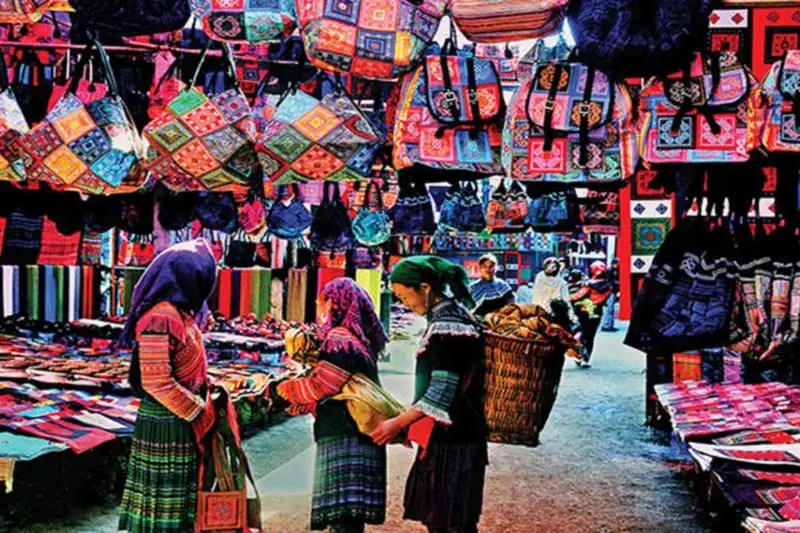
Where to shop: Sapa Market, Bac Ha Market, Cat Cat Village craft stalls, and small handmade boutiques on Cau May Street.
2. Indigo-dyed clothing
Indigo dyeing is a traditional technique used by Hmong and Dao communities. The clothes have a deep blue color, soft texture, and natural scent from the indigo plant. Items include shirts, skirts, scarves, and fabric pieces for decoration.
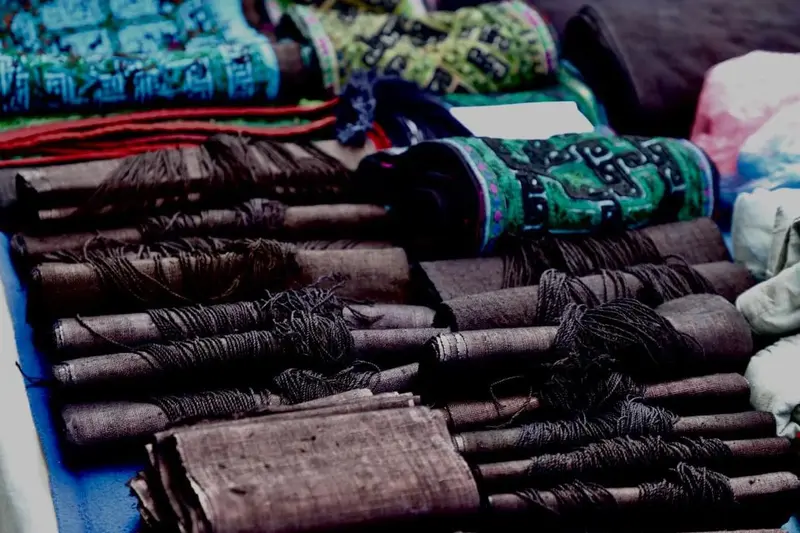
Where to shop: Ta Van Village, Lao Chai Village craft houses, and the artisanal section of Sapa Market.
3. Embroidered bags, scarves and accessories
These small items are easy to pack and make great gifts. Each piece is embroidered by hand with colorful patterns that represent village life and ethnic culture. You can find bags, camera straps, coin purses, and scarves in many sizes.
Where to shop: Cat Cat Village stalls, Red Dao cooperatives in Ta Phin, and shops along Cau May Street.
4. Handmade silver jewelry
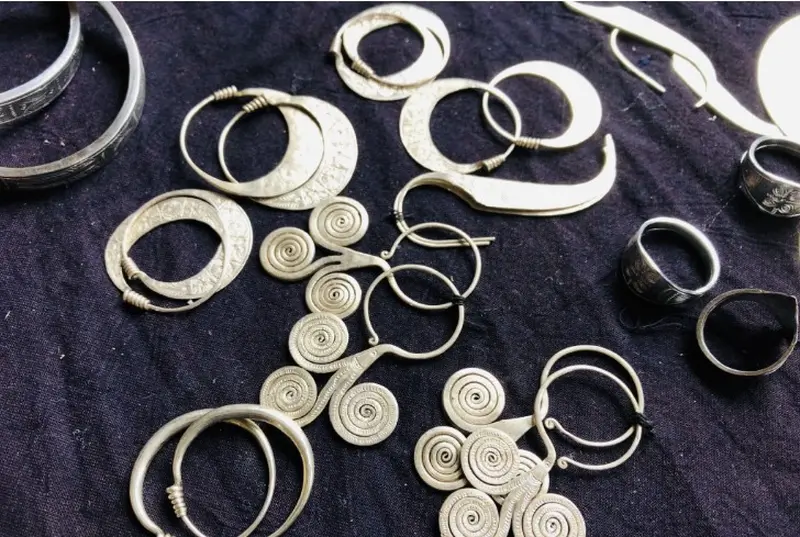
Sapa has a long tradition of silver crafting, especially among Hmong silversmiths. Jewelry often includes rings, bracelets, pendants, and earrings made with cultural symbols. Handmade silver has more weight and a softer shine than machine-made copies.
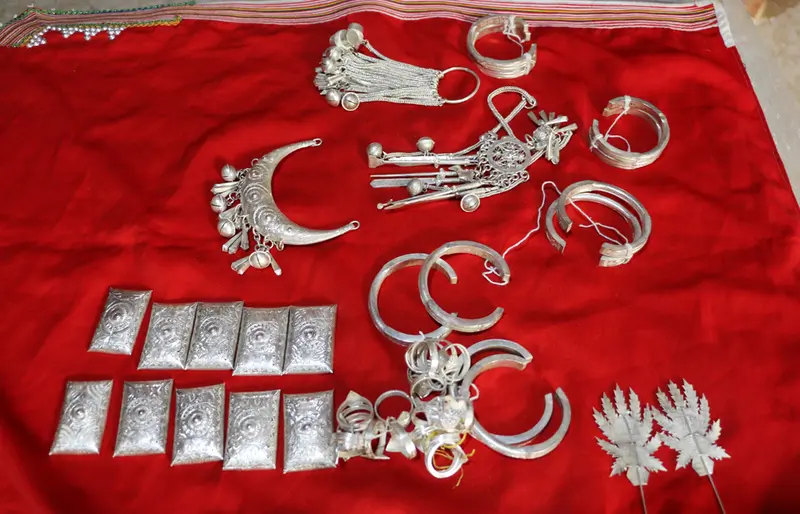
Where to shop: Hmong silversmith workshops in Sa Seng and Ta Phin, plus selected jewelry stores on Fansipan Street.
5. Red Dao herbal bath packs
The Red Dao herbal bath is one of Sapa’s most famous traditional remedies. The packs include forest herbs used for relaxation, muscle relief, and better sleep. They’re easy to carry and a meaningful gift that reflects local wellness culture.
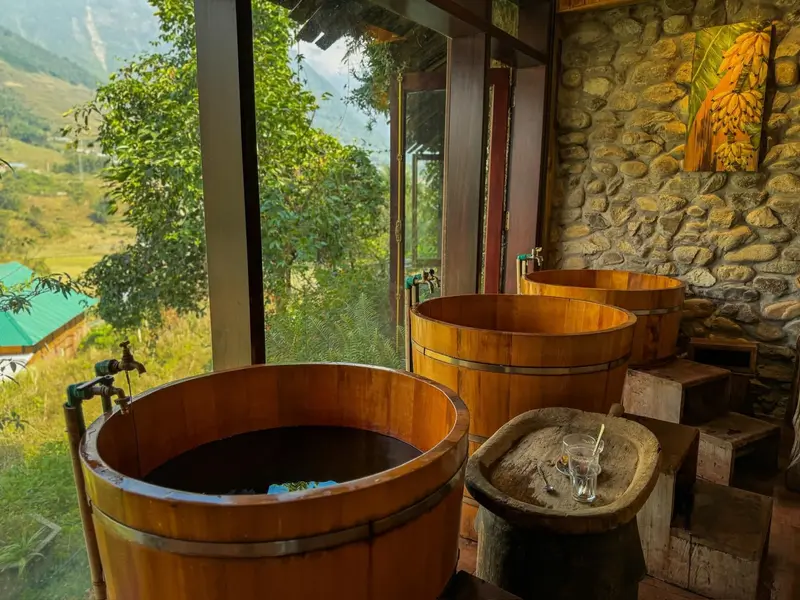
Where to shop: Ta Phin Village herbal cooperatives, Red Dao bath houses, and roadside herbal shops near O Quy Ho.
6. Sapa herbal oils and balms
These oils and balms are made from local herbs used by the Red Dao and Hmong for muscle pain, colds, and general wellness. They are small, affordable, and easy to carry home.
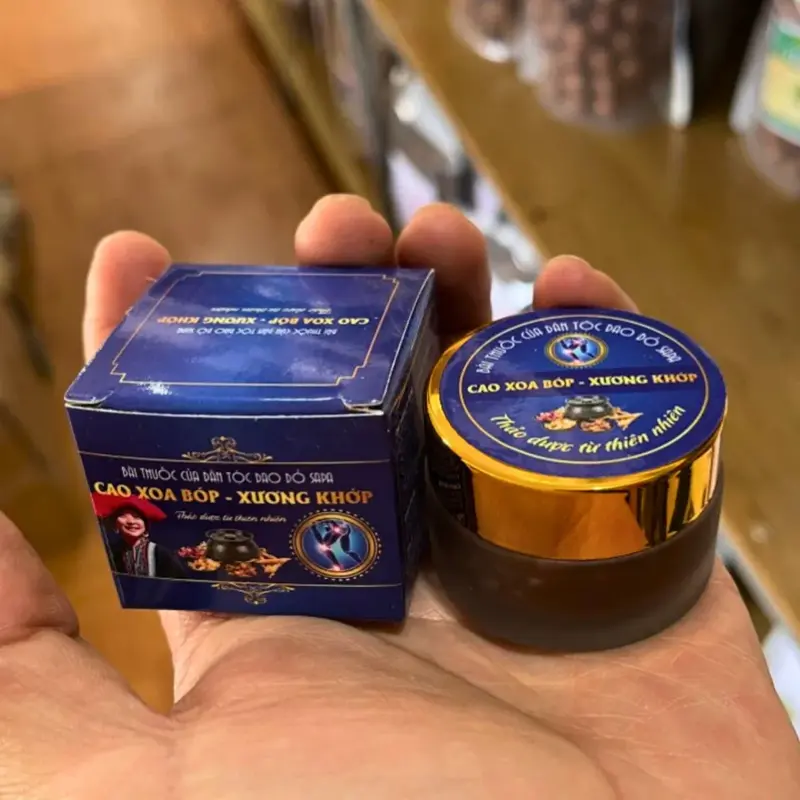
Where to shop: Dao traditional pharmacies in Ta Phin, the medicinal section of Sapa Market, and small herbal shops around Fansipan Street.
7. Local honey and mountain herbs
Sapa’s cool climate and wildflower forests make its honey rich in flavor. Many villagers also sell dried herbs used for teas or simple home remedies. These are natural products and great for travelers who enjoy local food gifts.

Where to shop: O Quy Ho Pass roadside stalls, Bac Ha Market, and farmers’ stands inside Sapa Market.
8. Shan snow tea and wild mountain tea
Shan snow tea is one of the rarest teas in Vietnam, grown on ancient trees in the high mountains. It has a mild, sweet taste and is highly valued by tea lovers. Wild mountain tea is also popular for its clean flavor and health benefits.
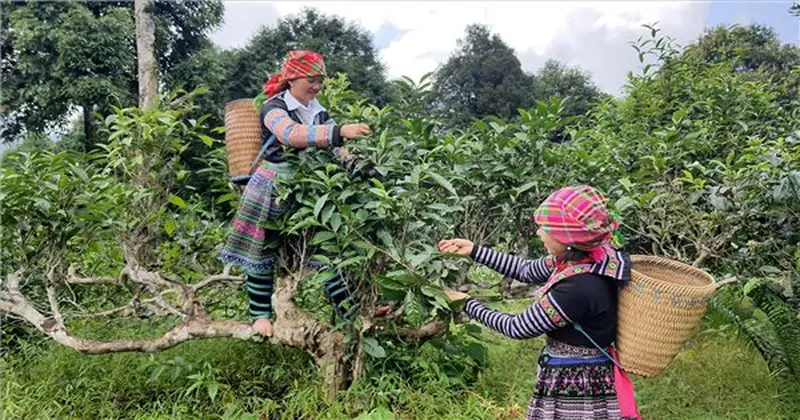
Where to shop: Ta Van Village tea houses, Bac Ha Market, and specialty tea shops on Cau May Street.
9. Dried fruits (plums, pears, apples)
Sapa’s dried fruits are simple, tasty gifts that are easy to pack. Many sellers dry fruits naturally without adding sugar, giving them a fresher and more natural taste.

Where to shop: Sapa Market food section, O Quy Ho Pass stalls, and local vendors at Bac Ha Market.
10. Sapa Arabica coffee
Sapa grows high-quality Arabica coffee thanks to its cool climate and mountain soil. The beans have a smooth taste with light acidity. It’s a great choice for coffee lovers who want something local and easy to bring home.
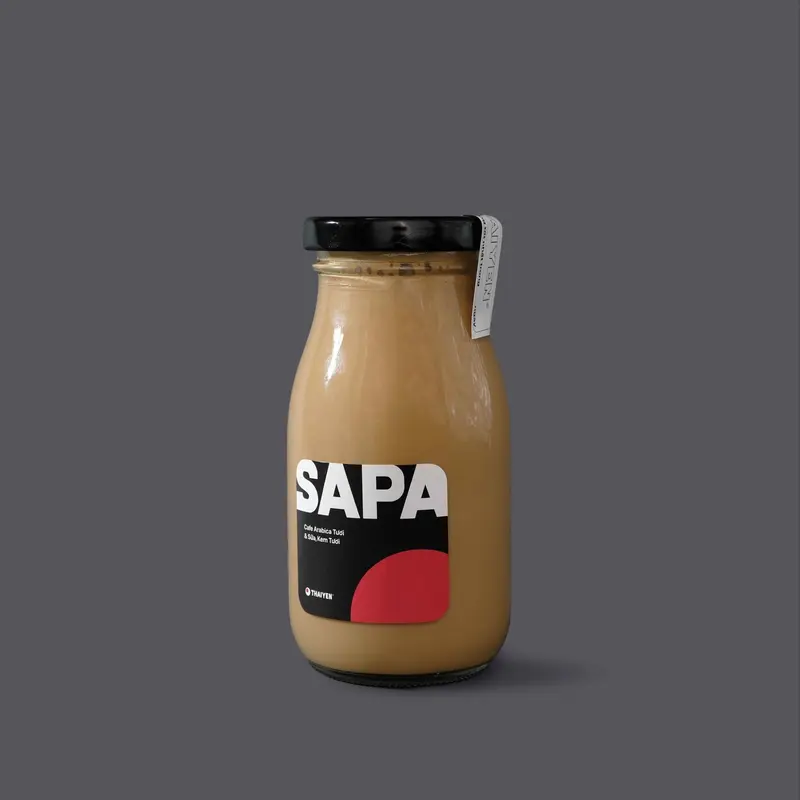
Where to shop: Local roasters along Cau May Street, cafés on Fansipan Street, and farmer-sourced coffee stalls in Sapa Market.
11. Spices (cardamom, cinnamon, star anise, pepper)
The northern mountains produce strong, fragrant spices that are used in many Vietnamese dishes. Cardamom and cinnamon from Sapa are especially popular because they are grown in clean, high-altitude forests.

Where to shop: O Quy Ho Pass spice stalls, the spice section of Bac Ha Market, and local-produce sellers at Sapa Market.
12. Traditional instruments (Hmong flutes, khèn)
These instruments are handmade by local craftsmen and often used in festivals and village ceremonies. They make meaningful souvenirs for travelers who enjoy music or cultural gifts.
Where to shop: Hmong workshops in Lao Chai, craft stalls in Cat Cat Village, and selected cultural shops near Sapa Square.
13. Handmade home décor (wood carvings, coasters, ornaments)
Wooden souvenirs are carved by hand and often feature animal shapes, mountain patterns, or village symbols. They are lightweight and add a natural, rustic touch to your home.
Where to shop: Family workshops in Ta Van Village, craft stalls in Cat Cat Village, and boutique stores along Cau May Street.
14. Local wine (cinnamon wine, corn wine, plum wine)
Sapa’s local wines are made from mountain ingredients and have a warm, smooth flavor. These wines are popular gifts, but you should check that the bottle is sealed properly before buying.
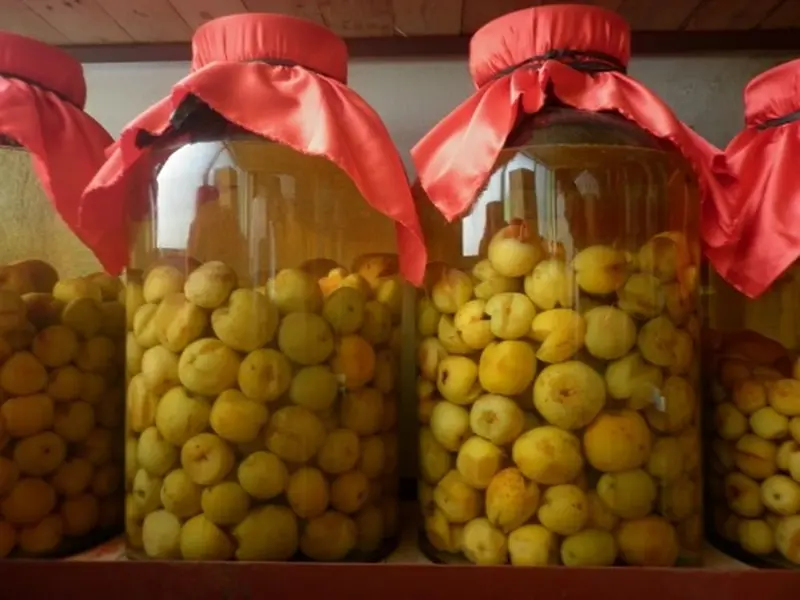
Where to shop: Liquor stalls at Sapa Market, Bac Ha Market local producers, and homestays that sell small-batch wine.
15. Local snacks and packaged specialties
Sapa has many easy-to-carry snacks such as dried sweet potato, roasted seeds, herbal candies, and small rice crackers. These are good last-minute gifts or travel snacks.
Where to shop: Sapa Market grocery section, minimarts around Sapa Church, and stalls along O Quy Ho Pass.
What not to buy in Sapa
Not every item in Sapa is worth your money. Some products look beautiful at first but don’t have the quality or the cultural value you might expect. Here are a few things you should skip:
Machine-made textiles: You’ll see many bright fabrics that look handmade, but some are factory printed and fade very fast. If the price is too low, it’s usually not real brocade.
Silver that isn’t real silver: Some shops sell silver-plated jewelry that loses its color after a short time. Always check the weight and ask about the material before buying.
Unclear herbal bath mixes: A good Red Dao herbal pack has a clean smell and clear ingredients. Avoid packs that look too dusty or have no label at all.
Snacks and dried fruits at tourist-heavy spots: Vendors in crowded areas often set higher prices. The same items are usually cheaper and fresher inside Sapa Market.
With these tips, you’ll feel more confident while shopping and bring home souvenirs that genuinely come from Sapa.
Frequently asked questions
Is shopping in Sapa cheap?
Shopping in Sapa can be affordable, but prices vary. Handmade products like brocade, silver, and herbal packs cost more because they take time and skill to make. Street stalls are usually cheaper, while village cooperatives and boutiques have higher but more reliable prices.
What is unique to Sapa compared to Hanoi?
Sapa offers items made directly by ethnic communities, such as indigo-dyed clothing, Hmong silver, Red Dao herbal bath packs, and Shan snow tea. These products are mostly handmade and use natural materials from the mountains, which you won’t commonly find in Hanoi’s shops.
Do markets sell authentic handmade items?
Some stalls do, but not all. Many villagers sell real handmade products, while others offer factory-made copies. Check the stitching, dye, weight, and details. If something looks very similar from stall to stall, it’s likely not handmade.
When is the best time to shop in Sapa?
You can shop year-round, but mornings are quieter and give you more time to compare prices. Weekend markets like Bac Ha and Coc Ly have more variety and feel more local. Avoid shopping late in the evening when some sellers pack up quickly.
Final tips for shopping in Sapa
Shopping in Sapa is more fun when you explore at your own pace. Visit a few stalls, talk to the sellers, and learn a bit about how each item is made. It helps you find pieces that feel more personal.
Keep small cash notes with you. Most markets and villages don’t use card machines, and bargaining works best when you’re polite and relaxed.
If you want something truly local, ask the seller how the item was made. Handmade products take more time and skill, and buying them directly supports the families who create them.

