
Planning a trip to Vietnam requires a specific strategy. You aren’t just packing for a vacation; you are packing for three different climate zones and a lot of movement.
The biggest challenge? Dealing with high humidity, sudden monsoons, and limited space on local transport. If you bring the wrong gear, you’ll be uncomfortable, sweaty, and weighed down.
But if you pack the right lightweight backpacking gear, you’ll breeze through airports, hop on motorbikes with ease, and handle whatever the weather throws at you.
This guide cuts through the noise to give you a practical, road-tested list of essentials. From moisture-wicking fabrics to the perfect 40L backpack, here is everything you need to know to stay agile, dry, and comfortable on your Vietnamese adventure.
Table of Contents
Understand Vietnam’s regions and weather before packing
One of the biggest rookie mistakes travelers make is assuming Vietnam is a tropical paradise with the same weather everywhere. Spoiler alert: it’s not. Vietnam is long and skinny, meaning the weather in the North can be drastically different from the South on the exact same day.
Before you start throwing tank tops into your bag, you need to understand the regional differences. Packing the wrong lightweight backpacking gear can leave you shivering in a misty mountain homestay or sweating through heavy fabrics in the city.
Here is a quick breakdown to help you visualize what you are up against:
| Region | Climate Characteristics | Key Packing Requirement |
| Northern Vietnam (Hanoi, Sapa, Ha Giang) | Winter (Nov-Feb): Surprisingly cold, misty, and damp. Temps can drop below 5°C (41°F). <br>Summer (May-Aug): scorching heat and heavy rain. | Layers: You need a warm jacket and thermals for winter. Don’t underestimate the damp cold! |
| Central Vietnam (Hue, Da Nang, Hoi An) | Dry Season (Jan-Aug): Extremely hot and sunny. <br>Wet Season (Sep-Dec): Heavy typhoons and flooding are common. | Sun & Rain Protection: Quick-dry clothes and a solid rain poncho are essential. |
| Southern Vietnam (HCMC, Mekong Delta) | Tropical: Hot year-round. <br>Rainy Season (May-Oct): Predictable afternoon downpours. | Breathability: Ultra-light fabrics that handle humidity and sweat well. |
The takeaway? If you are doing a cross-country trip from North to South (or vice versa), your lightweight backpacking gear list needs to be versatile enough to handle both a chilly morning in the mountains and a sweltering afternoon on the beach.
Core lightweight gear that works everywhere
Regardless of where your map points, there are certain non-negotiables. These are the items that form the foundation of your backpack. When choosing these core items, prioritize materials that are “moisture-wicking” and “quick-drying.” The humidity in Vietnam is no joke – cotton T-shirts will get wet and stay wet, becoming heavy and smelly.
1. The Backpack: Size Matters
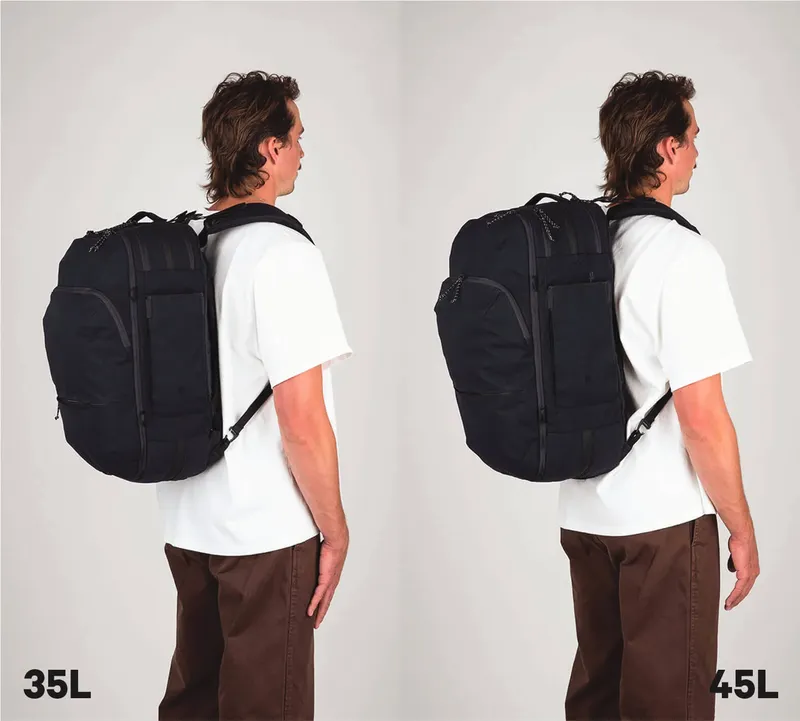
Leave the 70L hiking expedition bag at home. For Vietnam, the sweet spot is a 35L to 45L backpack. Why? Because of the transport.
- Sleeper Buses: This is the main mode of transport for backpackers. The legroom is tight. A 40L bag fits comfortably between your legs or in the overhead bin, keeping your gear safe and accessible. A giant bag goes in the dirty, chaotic hold under the bus.
- Motorbikes: If you rent a bike, a smaller bag straps easily to the back rack.
- Airlines: A 40L bag usually qualifies as carry-on, saving you time at airports like Noi Bai or Tan Son Nhat.
2. Clothing: Merino Wool vs. Synthetics
Your choice of fabric is the most critical part of your lightweight backpacking gear.
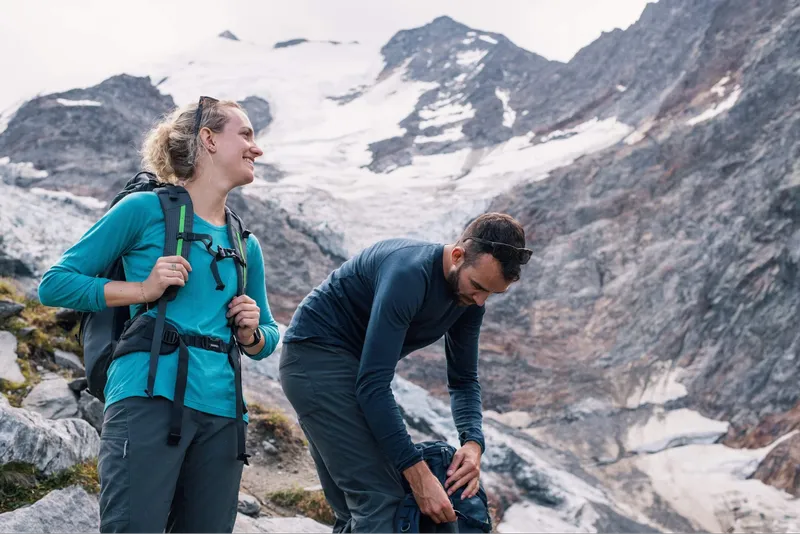
- Merino Wool: It might sound counterintuitive to wear wool in the heat, but lightweight Merino (150gsm) is a miracle fabric. It regulates temperature, wicks sweat, and most importantly, it is odor-resistant. You can wear a Merino tee for 3 days in the humid jungle, and it won’t smell. This means you pack fewer shirts.
- Synthetics: If wool is out of your budget, go for high-quality athletic synthetics (like polyester blends). They dry incredibly fast after a wash or a sudden downpour. Just be aware they tend to hold odors faster than wool.
3. Footwear: The “Two-Pair” Rule
You don’t need five pairs of shoes. You really only need two solid options:
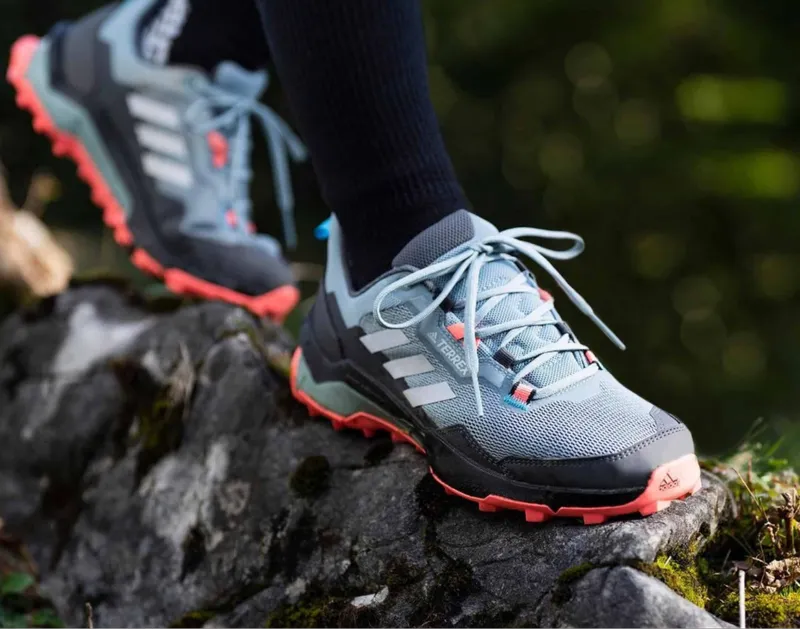
- Trail Runners: Forget heavy hiking boots. They are too hot, too heavy, and a nightmare to take off every time you enter a hostel or a temple. A breathable pair of trail runners gives you enough grip for the muddy treks in Sapa but is light enough for walking around Hanoi.
- Sturdy Sandals: Think Teva, Chaco, or a solid local brand. Vietnam has a “shoes-off” culture indoors. Sandals are easy to slip on and off, perfect for rainy days (they dry instantly), and great for the beach.
4. The universal adapter & power bank
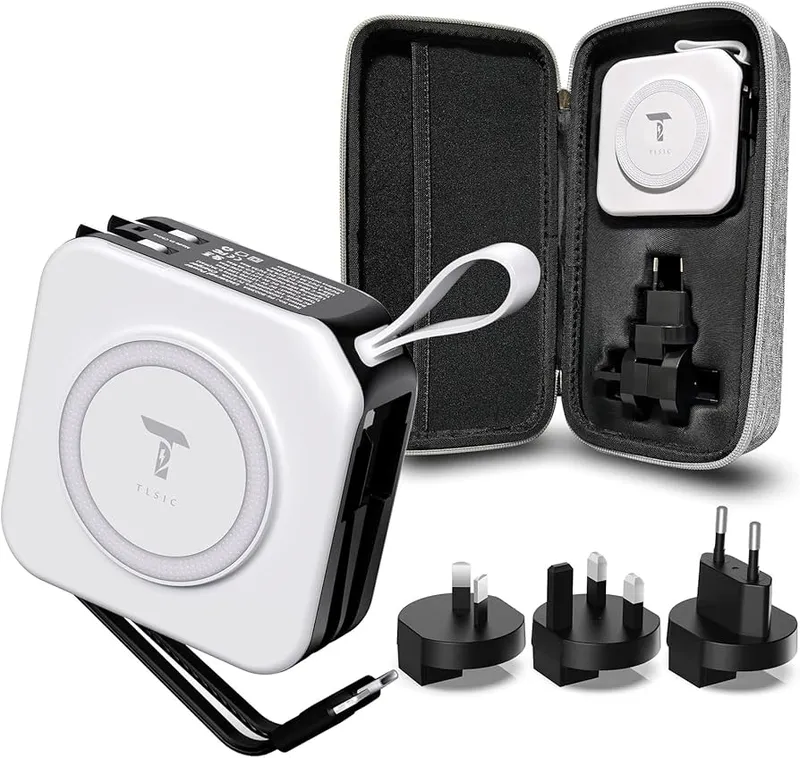
Vietnam uses a mix of plugs, but the most common is the Type C (two round pins). While many hotels have universal sockets, homestays in remote areas won’t.
A small, lightweight universal adapter is essential. Also, grab a 10,000mAh power bank. Long bus rides and days using Google Maps will drain your battery fast, and you don’t want to be stranded without a map.
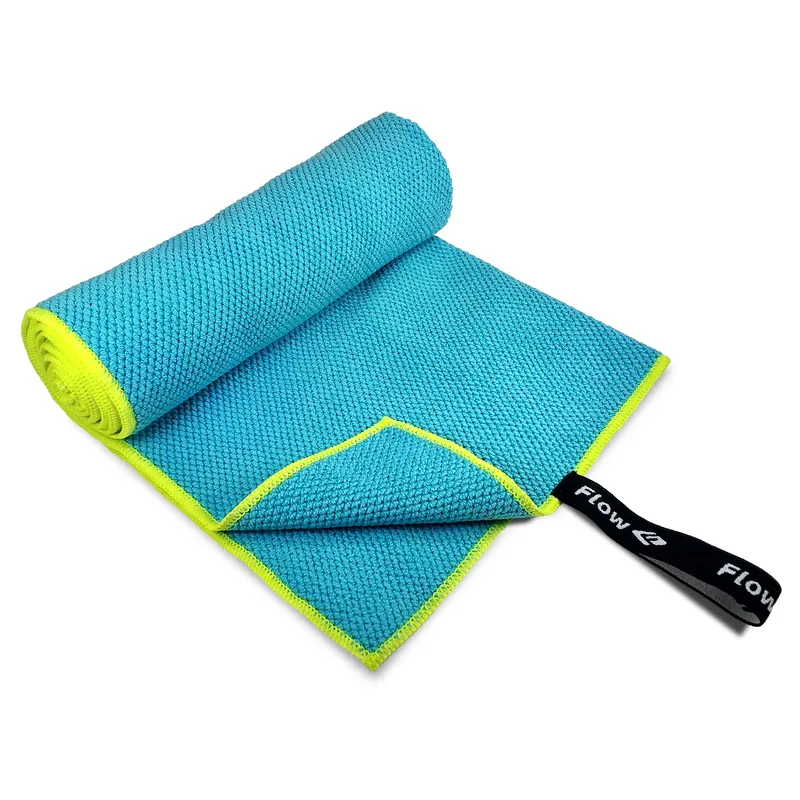
5. Quick-dry microfiber towel
Hostels usually provide towels, but homestays and overnight trains often don’t. A regular cotton towel takes days to dry in 90% humidity and will make your bag smell like mildew.
A microfiber towel packs down to the size of a fist and dries in an hour. It is a tiny piece of lightweight backpacking gear that makes a huge difference in hygiene.
Extra lightweight gear for Northern Vietnam trips
If your itinerary includes the North between November and March, you are in for a surprise. The cold in Northern Vietnam is damp – it seeps into your bones. Since most buildings lack insulation or central heating, it can actually feel colder indoors than outdoors!
To survive this without overpacking, you need to master the art of layering.
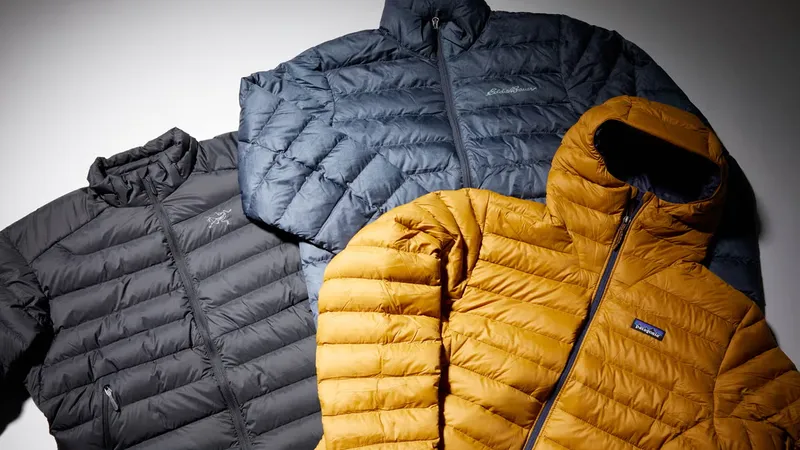
The packable down jacket
This is the MVP of winter backpacking. A high-quality down (or synthetic down) jacket is incredibly warm but can compress into a tiny pouch the size of a water bottle.
When you are riding a motorbike through the clouds in the Ha Giang Loop, you will be thanking your lucky stars you packed this. It takes up almost no weight but provides maximum warmth.
Thermal base layers
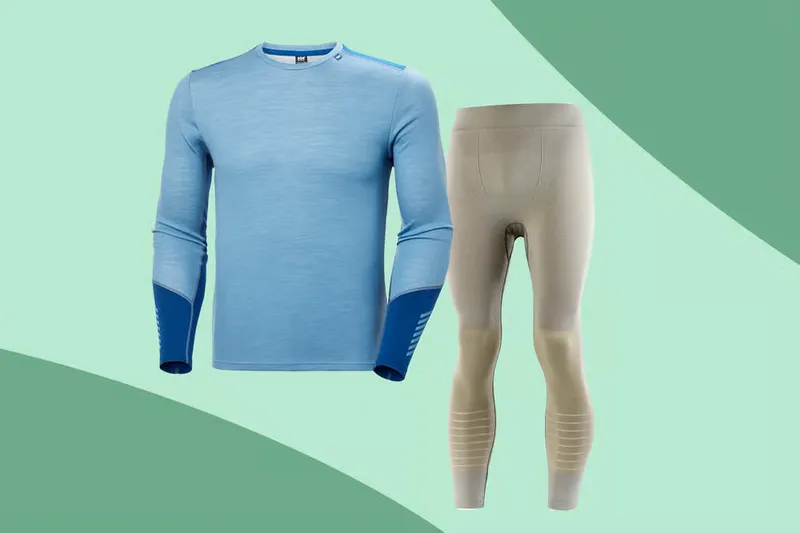
A thin set of thermal leggings and a long-sleeve top (Uniqlo Heattech is a popular choice among travelers) weighs virtually nothing.
You can wear them under your regular trekking pants and t-shirt to turn a summer outfit into a winter one. They also double as great pajamas for chilly nights in bamboo huts.
Wool socks
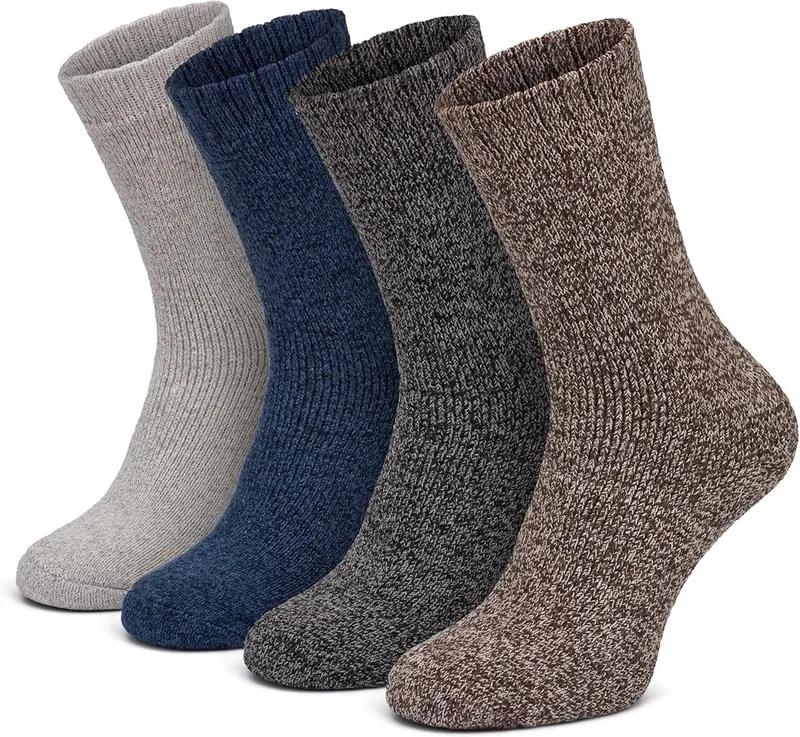
Cold feet can ruin a good trek. The floors in Vietnam are often tiled and freezing cold in winter. A pair of thick Merino wool socks is a small addition to your lightweight backpacking gear list that provides immense comfort. Plus, they keep your feet dry and blister-free during long hikes in Mu Cang Chai or Pu Luong.
Extra lightweight gear for Central Vietnam and the coast
Central Vietnam (Hue, Da Nang, Hoi An, Quy Nhon) is where the heat kicks up a notch. The sun here can be intense, and the UV index is often very high. Your gear focus here shifts from warmth to protection.
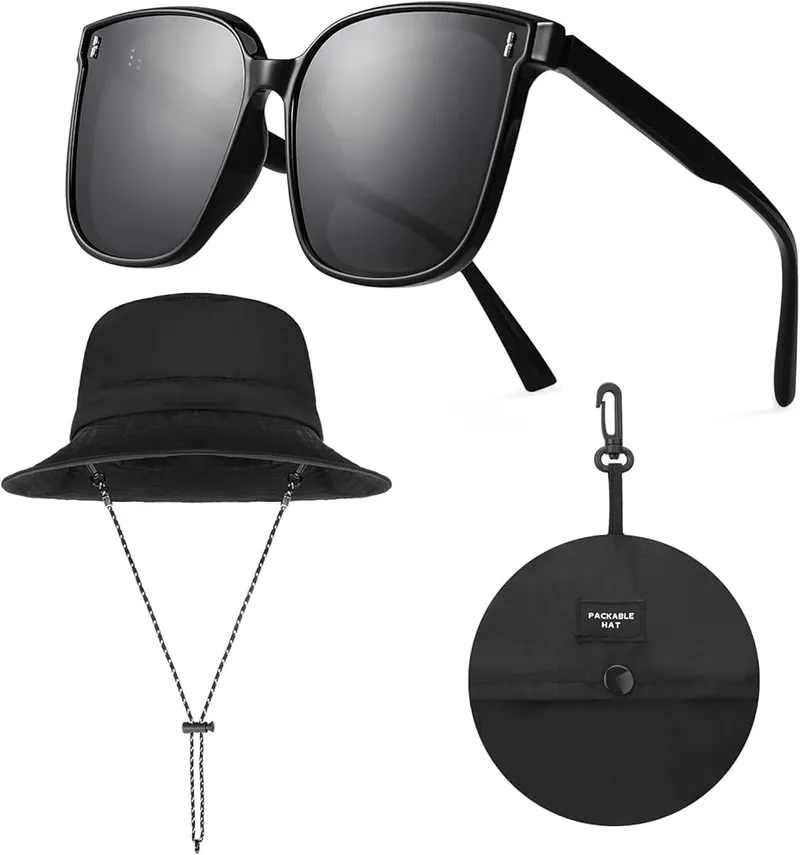
Crushable sun hat & polarized sunglasses
A baseball cap is okay, but a wide-brimmed hat offers better protection for your neck and ears. Look for a “crushable” hat that can be shoved into your bag without losing its shape.
Pair this with good polarized sunglasses. The glare off the ocean or the wet rice paddies can be blinding, and protecting your eyes is crucial for long days outside.
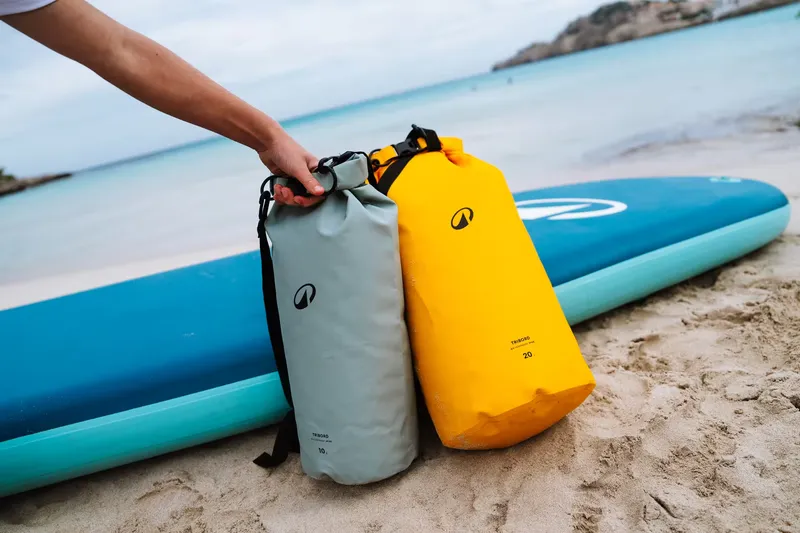
The 10L dry bag
This is one of the most underrated pieces of lightweight backpacking gear. Whether you are taking a basket boat in Hoi An, exploring the caves in Phong Nha, or just heading to the beach, water is everywhere.
A small, lightweight dry bag protects your electronics, passport, and cash from sudden splashes or unexpected rain. It gives you peace of mind to enjoy the water without worrying about your phone drowning.
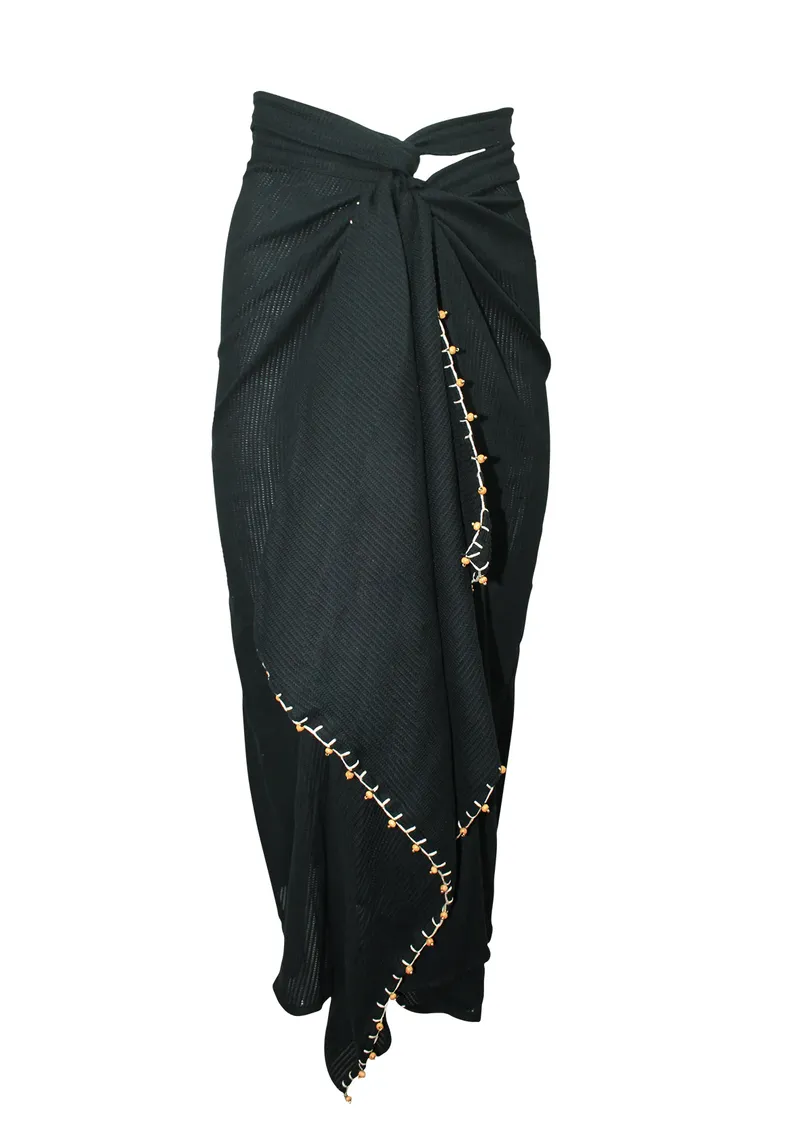
The multipurpose sarong
Ladies (and gents!), a sarong is the Swiss Army Knife of travel fabric.
- Temple Cover: You must cover your shoulders and knees to enter temples and pagodas. A sarong is a quick fix you can tie around your waist.
- Beach Towel: It’s lighter than a towel and sand shakes right off.
- Blanket: Perfect for freezing cold air-conditioning on buses or trains.
- Sun Shield: Drape it over your legs during a motorbike ride to prevent sunburn.
Extra lightweight gear for Southern Vietnam and big cities
Ho Chi Minh City (Saigon) and the Mekong Delta are vibrant, chaotic and hot. The two main factors to pack for here are the sudden tropical downpours and street safety.
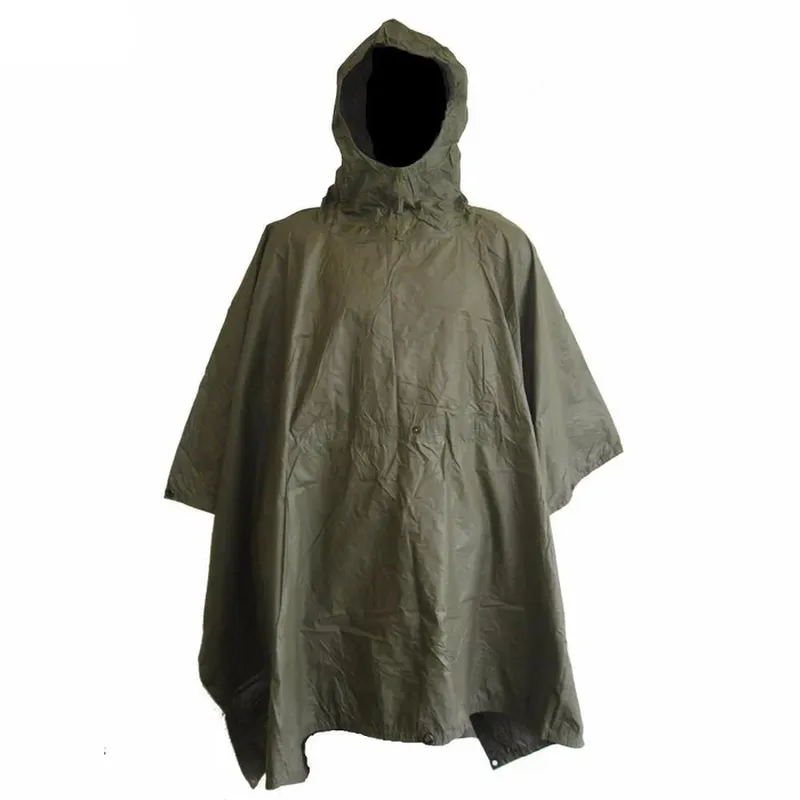
The high-quality poncho
You might be tempted to bring an expensive Gore-Tex rain jacket. In the steamy heat of the South, that jacket will turn into a sauna suit. You will get wetter from sweat inside than from the rain outside.
Instead, the local solution is best: a lightweight poncho. It covers you and your backpack, allows for airflow, and can be deployed in seconds.
You can buy cheap ones locally, but bringing a reusable, durable trekking poncho is a better eco-friendly choice for your lightweight backpacking gear kit.
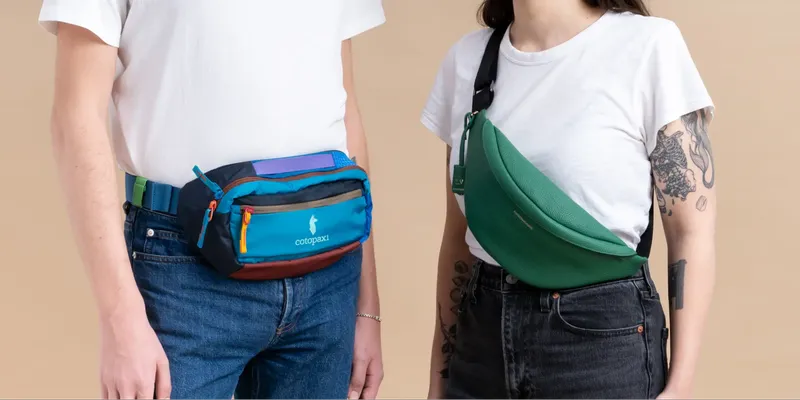
Anti-theft daypack or fanny pack
Saigon is generally safe, but drive-by bag snatching is a known issue. Walking around with your phone in your hand or a loose tote bag is risky.
A cross-body fanny pack (bum bag) or a sling bag that sits tight against your chest is ideal. It keeps your valuables attached to your body and easily accessible.
Look for one with lockable zippers or slash-proof material if you want extra security. It’s a small investment to ensure your passport and phone stay yours
Lightweight gear for specific activities in Vietnam
Vietnam is an adventure playground. Depending on what activities you plan to do, a few specialized (but small) items can upgrade your experience significantly.
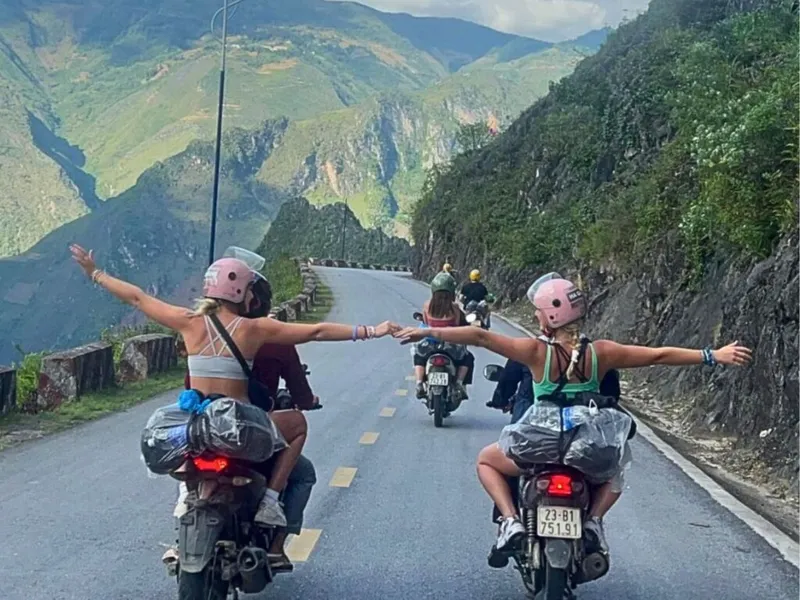
For motorbiking (The Loops)
If you plan to ride, even as a passenger:
- Buff/Bandana: The roads can be dusty, and diesel fumes from trucks are unpleasant. A buff protects your face and neck from sun, wind, and dirt.
- Bungee Cords: If you are riding your own bike, strapping your backpack to the rack is a daily ritual. Bringing your own high-quality bungee cords ensures your bag doesn’t fly off on a bumpy road.
- Gloves: Simple sun-protection sleeves or light gloves prevent the backs of your hands from getting severe sunburn while gripping the handlebars.
For caving (Phong Nha)
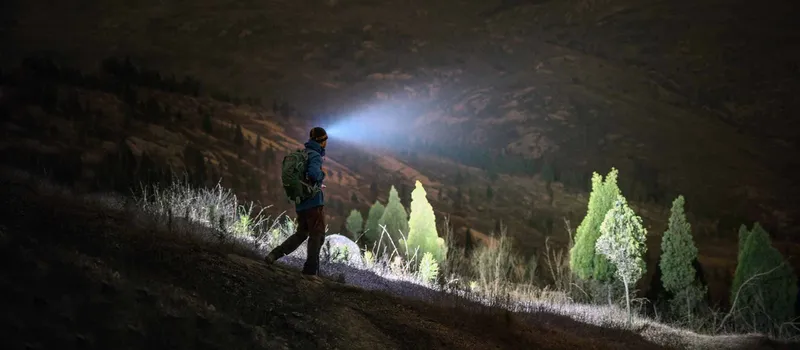
- Headlamp: While tour operators provide gear, having your own lightweight headlamp is great for navigating dark homestay paths or for early morning treks.
- Water Shoes: If you are doing wet caves, having shoes that drain water is essential. Your trail runners will get heavy and soggy.
For hostel life
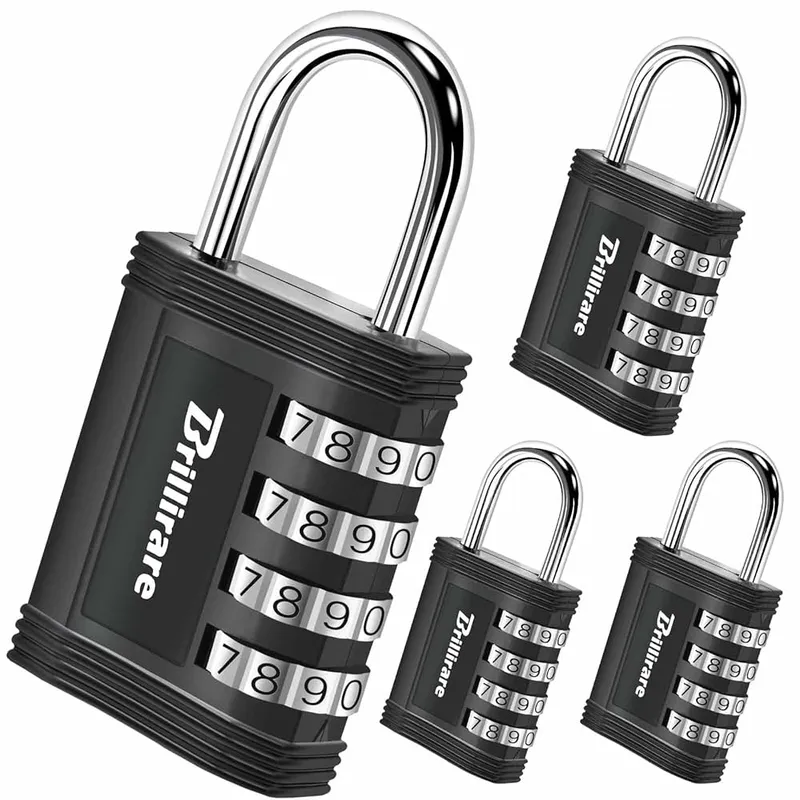
- Combination Padlock: Most hostels have lockers, but you often need your own lock. A combination lock is better than a key lock because you can’t lose the key!
- Earplugs & Eye Mask: Vietnamese cities are noisy. Roosters crow at 4 AM, construction starts early, and hostel roommates can be loud. Silicon earplugs are vital for a good night’s sleep.
Minimalist packing tips for long stays in Vietnam
You might be looking at this list and thinking, “How am I going to fit all of this into a 40L bag for a month-long trip?” The answer lies in changing how you think about packing.
The “Laundry hack”
Here is the secret that veteran backpackers know: You only need to pack for 5-7 days, regardless of how long your trip is.
Why? Because laundry service in Vietnam is incredible. Almost every hostel and homestay offers “Laundry Service.” You hand them a bag of dirty clothes in the morning, and by evening (or the next morning), you get it back washed, dried, and neatly folded.
The cost? Usually between 15,000 VND to 30,000 VND ($0.60 – $1.20 USD) per kilogram. It is cheap, fast, and everywhere. This means you don’t need to haul 20 outfits. Just wash your clothes as you go.
Use packing cubes
If you haven’t used packing cubes yet, they will change your life. They compress your clothes, allowing you to fit more lightweight backpacking gear into a smaller space.
More importantly, they keep your bag organized. When you are living out of a backpack, being able to pull out just your “shirts cube” without exploding your entire bag all over the hostel floor is a game-changer.
Leave the “Just in Case” Items
- Don’t pack a mosquito net; accommodation provides them.
- Don’t pack huge bottles of shampoo; buy sachets locally at any convenience store (Circle K, WinMart).
- Don’t pack a heavy medical kit; pharmacies are on every corner and are very well-stocked.
Final thoughts
Packing for Vietnam doesn’t have to be a headache. By focusing on versatile, lightweight backpacking gear, you are setting yourself up for a trip defined by freedom and ease.
Remember, the less you carry on your back, the more energy you have to climb that mountain, explore that cave, or simply wander the vibrant streets of this amazing country.
So, zip up that 40L bag, leave the heavy denim at home, and get ready for the adventure of a lifetime. Vietnam is waiting for you.

