
Sapa is one of the easiest places in northern Vietnam for travelers to explore on their own. The valley has clear walking paths, friendly ethnic minority villages, and homestays along most routes.
Many travelers complete one-day or multi-day treks without a guide every year. This guide explains everything you need to know in 2026, from routes and navigation to safety, weather, and when you should hire a guide instead.
Table of Contents
Quick answer: Can you trek Sapa without a guide?
Yes, you can trek in Sapa without a guide. Most of the popular trails around Muong Hoa Valley are straightforward and well used by locals, and the footpaths connect villages such as Lao Chai, Ta Van, Y Linh Ho, and Giang Ta Chai. A self-guided trek works well for travelers who want flexibility, a slower pace, or a budget-friendly experience.
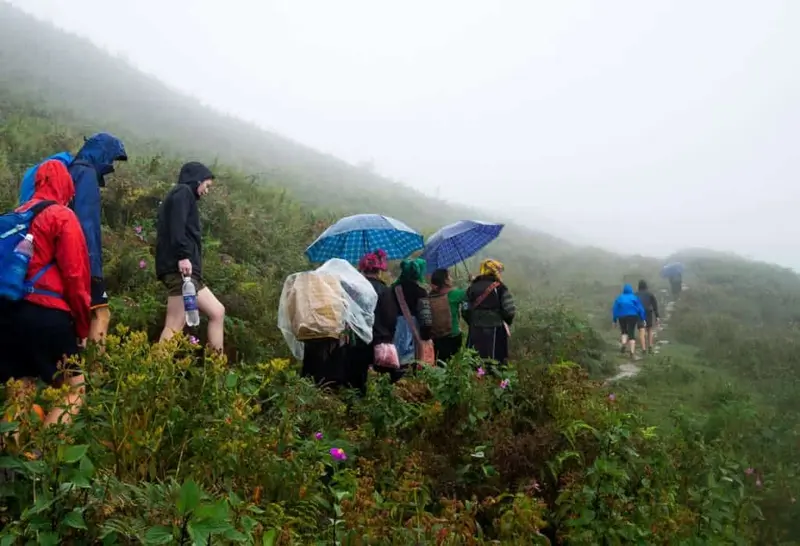
However, trekking without a guide requires basic navigation skills, good preparation for weather, and careful attention on slippery rice terrace paths. Travelers who visit during the rainy months, trek beyond the main villages, or prefer cultural explanations may find a guided trek safer and more enjoyable.
Pros and cons of trekking Sapa without a guide
Trekking without a guide in Sapa is possible for most travelers, but it requires realistic expectations. Below are the main advantages and disadvantages so you can decide whether this option suits your comfort and experience level.
Benefits of self-guided trekking
You manage your own schedule. You start when you want, stop when you want, and spend more time at viewpoints or villages that you enjoy.
You save money. Self-guided trekking removes guide fees. You mainly pay for village entrance tickets, water, snacks, and transport back to town if you need it.
You experience the valley at your own pace. Walking alone or with a small group feels calmer. You avoid the fixed routes and timing of guided tours.

You choose where to eat and sleep. Many villages have small restaurants and homestays. You can decide where to stop based on comfort, budget, or scenery.
You often meet locals in a more natural way. People in the villages are used to travelers. Interactions feel simple and friendly without a guide leading the conversation.
Challenges you must prepare for
Weather changes quickly. Rain, fog, and slippery paths appear with little warning. You need to understand basic weather risks before starting a trek on your own.
Some trails are not well marked. Main routes are clear, but side paths and shortcuts can be confusing. You must rely on offline maps and ask locals when unsure.
Paths can be difficult after rain. Muddy terraces, wet stones, and steep slopes require slow, careful steps. Good shoes are important.
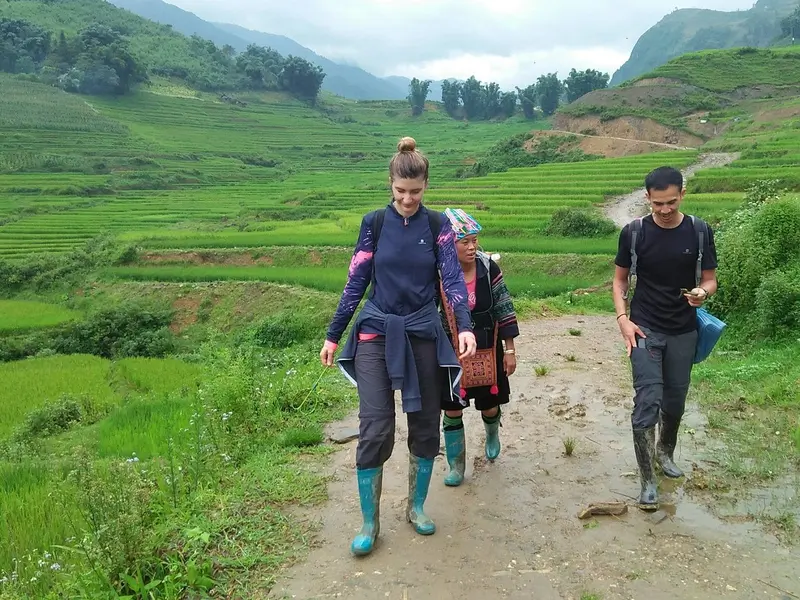
Vendors may follow you for part of the route. In some areas, local women may walk with you and offer souvenirs. You should respond politely and firmly if you are not interested.
You handle problems by yourself. If you get tired, lost, or injured, you will not have a guide to manage the situation. You need basic preparation and awareness.
What makes Sapa suitable for self-guided trekking
Sapa is one of the easiest places in northern Vietnam for independent trekking. The valley is well-connected, the paths link many villages, and the area receives thousands of self-guided trekkers every year. Below are the main reasons why trekking without a guide works well here.
1. Clear village-to-village footpaths
Most trails around Muong Hoa Valley follow simple routes that local families use daily. These paths usually connect one village to another, so it is hard to walk too far off track if you stay on the main route.
2. Homestays and small shops along the way
You can stop for water, tea, snacks, or lunch in many ethnic minority villages. Homestays appear along all major trails, which makes multi-day trekking simple.
3. Good mobile signal in most open areas
Several sections of the valley have reliable phone reception. Offline maps still help, but a quick position check is often possible.
4. Short walking distances between villages
Many routes take only one to three hours between major points. This makes the valley comfortable for beginners or travelers who want a flexible day.
5. Accessible starting points from Sapa Town
You can reach most trailheads by taxi or motorbike within 10–20 minutes. It is easy to begin a trek without arranging a tour.
6. Locals are familiar with tourists walking independently
People in the villages meet travelers every day and are used to giving simple directions when asked. Communication is usually straightforward with basic English words or pointing.
Best self-guided trekking routes in Sapa
Most self-guided treks in Sapa follow the same valley system, so the routes feel connected and easy to understand once you begin walking.
Villages sit close to each other, the paths follow natural lines of the terraces, and you always pass places where you can rest, buy water, or ask for directions. These three routes are the most common choices for independent trekkers.
1. Sapa Town → Cat Cat → Y Linh Ho (easy, 3 – 4 hours)
This is the simplest route for first-time visitors because it starts directly from Sapa Town and follows a clear downhill path into Cat Cat Village. After leaving the busier part of Cat Cat, the environment becomes quieter and the trail opens into the wider Muong Hoa Valley.

The walk combines paved steps, small roads, and dirt paths that run beside streams and terraced fields. It stays mostly flat after the initial descent, which makes it comfortable even for beginners.
You will pass waterfalls, Hmong homes, and several small stalls where families sell water or snacks. When you reach Y Linh Ho, you can either continue toward Lao Chai or stop at the bridge and take a motorbike taxi back to town. The route is short, scenic, and gives you a good introduction to walking in Sapa without a guide.
2. Lao Chai → Ta Van Loop (moderate, 12 – 14 km)
The Lao Chai – Ta Van route is one of the most popular full-day treks because it stays inside the main valley and offers wide, open views almost the entire way.
Most travelers begin in Lao Chai and walk toward Ta Van, since the scenery gradually expands and the path becomes easier to follow in this direction.
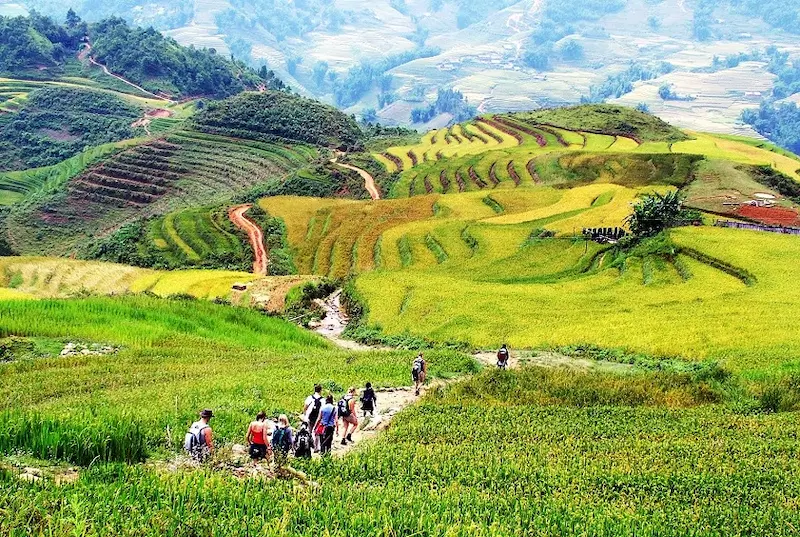
The distance is longer than the first route, but the terrain is generally gentle. You walk through terraced fields, riverbanks, stone paths, and small village roads used daily by the Hmong and Giay communities. When it rains, the soil becomes slippery, so you must walk slowly on terrace edges and muddy slopes.
Both Lao Chai and Ta Van have many cafés and homestays, making it easy to stop for lunch or a rest. You can finish your walk at Ta Van Gate and return to Sapa by motorbike taxi or continue deeper into the valley if you still have energy.
3. Ta Van → Giang Ta Chai → Su Pan → Sapa (moderate – hard)
This route is suitable for travelers who want a more challenging and less crowded experience. It begins in Ta Van and quickly enters a bamboo forest, where the temperature feels cooler and the trail becomes narrower.
You will pass a waterfall near Giang Ta Chai, cross small wooden bridges, and then climb gradually toward Su Pan.
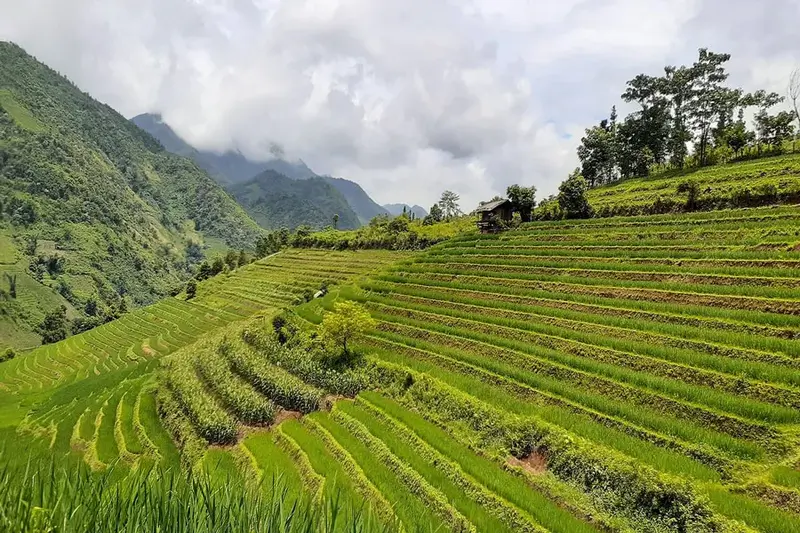
The terrain is more varied here. Some sections are steep, others follow narrow paths on the side of the terraces, and a few areas become extremely muddy after rain. Good shoes and slow, careful steps are important.
Giang Ta Chai and Su Pan receive fewer visitors, so the villages feel quieter and more traditional. Many trekkers choose to end the walk in Su Pan and take a motorbike taxi back to Sapa Town, as the final stretch back to the town is long and mostly uphill. This route gives you a deeper look at the valley but requires more attention and stamina.
How to navigate in Sapa without a guide
Navigating in Sapa is easier than many travelers expect, especially along the main routes of Muong Hoa Valley. The key is to prepare before you start walking and follow a few simple habits during the trek. With the right tools and awareness, you can stay on track even without a guide.
Download offline maps before you leave town
Mobile signal is good in many open parts of the valley, but it can drop around forests, rivers, and deep terraces. Download offline maps on Google Maps, Maps.me, or Gaia GPS while you still have strong Wi-Fi in Sapa Town. These apps show the village trails clearly, and the GPS location still works even without a network.
Follow the main valley paths whenever possible
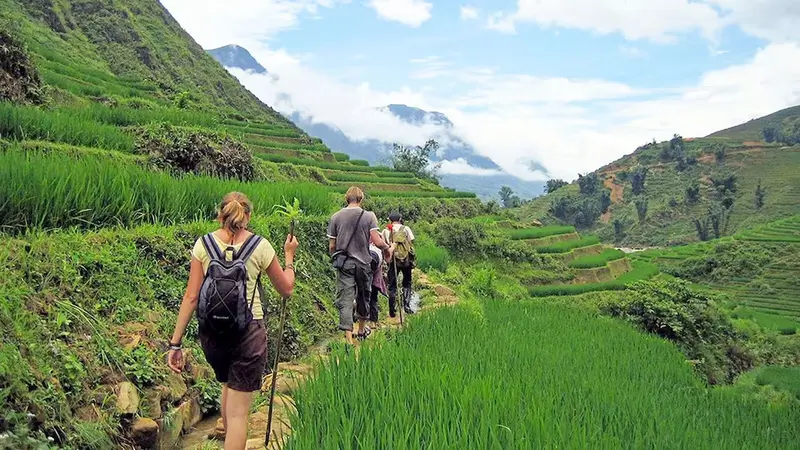
Most self-guided routes run along the valley floor or slightly above it. If you stay on these wider, more obvious paths, you naturally move from one village to the next. You should avoid narrow shortcuts that cut across private rice fields unless you are sure the path continues.
Use landmarks to orient yourself
Muong Hoa Stream flows through most villages and acts as a natural reference point. If you lose the trail, walk toward the stream or a visible cluster of houses. Villages such as Lao Chai, Ta Van, and Giang Ta Chai are close enough that you will usually reach one within 20-30 minutes.
Ask locals when you are unsure
People in the valley are used to independent trekkers and can point out the correct direction with simple English words like “Lao Chai,” “Ta Van,” or “Sapa.” A small gesture, a smile, and showing your map make communication easy.
Check your route at every major fork
Most wrong turns happen when travelers walk through rice terraces and follow paths that farmers use only for fieldwork. When you reach a junction, pause and confirm the direction using your offline map or by asking someone nearby.
If the weather changes suddenly, the path becomes too muddy, or the next village seems unclear, it is better to return to a known point. This is normal for self-guided trekking and helps you stay safe.
Safety tips for trekking without a guide
Trekking alone in Sapa is safe when you understand the basic risks. These simple tips help you avoid common problems on the trail.
Weather risks and how to plan around them
Weather can change quickly. Rain makes the terraces very slippery, and fog reduces visibility. Check the forecast before you leave Sapa Town and start early in the day. If the weather turns bad, stop at a homestay or café and wait instead of continuing. Avoid narrow paths during fog or after heavy rain.

What shoes and gear you need
Wear shoes with strong grip. Soft sneakers do not work well on mud. Bring a light rain jacket, quick-dry clothes, water, cash, and a power bank. Download offline maps before leaving town. These small items make your trek much easier and safer.
How to handle mud, steep slopes, slippery rice terrace paths
Walk slowly on muddy areas and choose the firmest ground you see. Step on flat stones or grass patches if possible. On steep slopes, turn your body slightly sideways for better balance. Avoid walking on the very edge of terraces, especially after rain. If a path feels unsafe, turn back and choose another route.
How to avoid trespassing on private fields
Most rice terraces are private land. Stay on clear village paths and avoid narrow trails that lead directly into fields. Look for signs like fences or farming tools, which usually mean the area is private. If you are unsure, check your map or ask a nearby local before continuing.
Cost & packing checklist for self-guided trekking
Trekking Sapa without a guide is affordable and easy to plan. Most costs are small and predictable, and you only need a few essential items to stay comfortable on the trail.
Self-guided trekking costs in Sapa (2026)
Most travelers spend less on a self-guided trek than on a guided tour, even with food, transport, and entrance fees included.
| Category | Typical cost (VND) | Notes |
| Entrance fees | ||
| Cat Cat Village | 100,000 – 150,000 | Required at the main gate |
| Lao Chai – Ta Van | 75,000 – 95,000 | Paid when entering the valley |
| Giang Ta Chai | 50,000 – 70,000 | Small checkpoint near the waterfall |
| Food & drinks | ||
| Water / soft drinks | 15,000 – 25,000 | Sold in most villages |
| Local meals | 70,000 – 120,000 | Simple dishes at homestays or cafés |
| Transport back to Sapa Town | ||
| Motorbike taxi | 80,000 – 150,000 | From Ta Van or Su Pan |
| Shared taxi | 150,000 – 250,000 | Good for groups |
| Homestay (optional) | 150,000 – 350,000 | Many include dinner or breakfast |
Packing checklist for a safe and comfortable trek
You do not need heavy gear for Sapa, but a few basic items make your trek easier:
- Shoes with good grip
- Light rain jacket
- Quick-dry clothes
- 1-2 liters of water
- Snacks
- Cash (villages do not use cards)
- Phone with offline maps
- Power bank
- Small backpack
- Sunscreen and hat in dry season
You should pack light and bring only what you need for the day. If you stay overnight, most homestays provide blankets and basic toiletries.
Frequently asked questions
Is Sapa safe for solo female travelers without a guide?
Yes, Sapa is generally safe. The main routes are busy, and locals are used to solo travelers. Start early, avoid walking after dark, and stay on clear village paths.
Can beginners do self-guided trekking?
Yes, beginners can handle the easier routes. Stick to short, well-known paths like Cat Cat or Lao Chai to Ta Van, walk slowly, and wear good shoes. Avoid long routes in rainy weather.
What is the best season to trek without a guide?
March to May and September to November offer the best conditions. These months are dry, clear, and comfortable. Rainy months make trails slippery, and winter fog reduces visibility.
Is homestay booking in Sapa required in advance?
Not always. You can usually find a room on arrival, especially on common routes. Book ahead only on weekends, holidays, or if you want a specific homestay or private room.
When you should hire a guide instead for Sapa trekking
Trekking Sapa without a guide works well for many travelers, but there are times when having a guide makes the experience safer and more enjoyable:
- During foggy or rainy months.
- If you want to explore deeper villages.
- When you want cultural insight.
- If you prefer someone to handle navigation.
- For photography or drone planning.
If you prefer a guided trek, want deeper cultural insight, or simply want a smoother and safer experience, Vietnam Backpacker Hostels (VBH) offers friendly, local-led tours that fit different trekking levels. You can message VBH on Facebook, Instagram, or TikTok for quick advice, route planning, or help choosing a trek that matches your time and comfort.
VBH is always ready to help you plan a simple, fun, and stress-free trip to Sapa.
- Website: https://vietnambackpackerhostels.com/
- Facebook: https://www.facebook.com/vietnambackpackerhostels
- Instagram: https://www.instagram.com/vietnambackpackerhostels
- TikTok:https://www.tiktok.com/@vietnambackpackerhostels

