
Vietnam is widely considered one of the holy grails of Southeast Asian travel. It offers a chaotic yet charming blend of jagged limestone mountains, emerald waters, deep-rooted history, and arguably the best street food culture on the planet. But for the traveler planning a trip, the biggest question is often financial: Is it really as cheap as everyone says?
The short answer is yes. Vietnam remains one of the most affordable destinations in the world. However, prices have shifted slightly in recent years due to inflation and development.
Without a clear plan, it is easy to overspend on tourist traps or pay “tourist prices” unnecessarily. This guide breaks down exactly how much a Vietnam trip costs, from a bowl of phở on a plastic stool to a cruise through Ha Long Bay.
Whether you are a student on a gap year or a digital nomad looking for value, here is everything you need to know about budget Vietnam backpacking.
How much does a Vietnam trip cost? (Daily breakdown)
The beauty of Vietnam lies in its flexibility regarding travel styles. You can survive on a shoestring without feeling deprived, or you can spend a little more to live like royalty compared to Western standards. Generally speaking, a daily budget of $30 to $60 USD is the sweet spot for most backpackers.
Below is a breakdown of what to expect for different spending habits.
| Category | Shoestring Budget ($30/day) | Flashpacker Budget ($50-60/day) |
| Accommodation | Dorm beds in hostels | Private rooms or boutique hostels |
| Food | Strictly street food & Banh Mi | Mix of street food & restaurants |
| Transport | Local buses & sleeper buses | Trains, flights, or private transfers |
| Activities | Free walking, hiking, cheap entry fees | Guided tours (Ha Giang Loop, Cruises) |
| Drinks/Extras | Bia Hoi (Fresh Beer) & Water | Craft beer, cocktails, & coffee shops |
Note on inflation: While Vietnam is cheap, prices for tourist services such as entry fees and cruises tend to rise slightly every year. It is always wise to keep a buffer of roughly 10% for unexpected costs.

The Shoestring Backpacker Budget ($30/day)
Lunch and dinner are strictly local affairs. A bowl of Bún Chả or Phở at a local spot with tiny plastic stools will cost about $2, while a dinner at a Com Binh Dan (rice buffet) can be found for as little as $1.50. The evening concludes with Bia Hơi (local draft beer), famously the cheapest beer in the world at around $0.25 per glass.
On this budget, you will prioritize overnight sleeper for those strictly adhering to a tight budget Vietnam backpacking plan, spending around $30 (approx. 750,000 VND) per day is entirely doable. This approach isn’t about suffering; it is about embracing the local way of life and trading creature comforts for authentic adventures.
A typical day on this budget begins waking up in a 10-bed dorm in Hanoi’s Old Quarter, which typically costs around $6 a night. Breakfast is a grab-and-go affair, likely a crispy Bánh Mì for $1 paired with a street-side iced tea for twenty cents. The day is spent exploring the city on foot or renting a cheap bicycle for $2, visiting temples with nominal entry fees, or hanging out by Hoan Kiem Lake for free.
buses to save on accommodation costs and skip expensive guided tours in favor of DIY exploration.
The “Flashpacker” Budget ($45 – $60/day)
If you bump your budget up to the $45 – $60 range, the quality of life increases dramatically. This is the “Flashpacker” tier – essentially backpacking with a suitcase budget.
With this extra funding, you gain significant privacy and comfort. Instead of a noisy dorm, you can afford a private room in a homestay or a “posh-tel” with a swimming pool.
Transport upgrades from a cramped 12-hour bus ride to a comfortable soft-sleeper train or even a short domestic flight. Crucially, this budget allows for the “big ticket” experiences that define a trip to Vietnam.
You can book the 3-day Ha Giang Loop tour with an Easy Rider or an overnight cruise in Lan Ha Bay without blowing your monthly savings.
Your diet also diversifies while you will still enjoy street food, you can mix it with air-conditioned cafes and the occasional western meal like pizza or burgers when cravings strike.
Money, ATMs, and currency in Vietnam
The currency in Vietnam is the Vietnamese Dong (VND). Dealing with Dong can be confusing at first because of the sheer number of zeros involved. You will effectively be a millionaire the moment you land, but keeping track of the notes requires attention.
The exchange rate hovers around 25.000-26.000 VND to $1 USD. Vietnam uses polymer (plastic) notes which are durable and water-resistant.
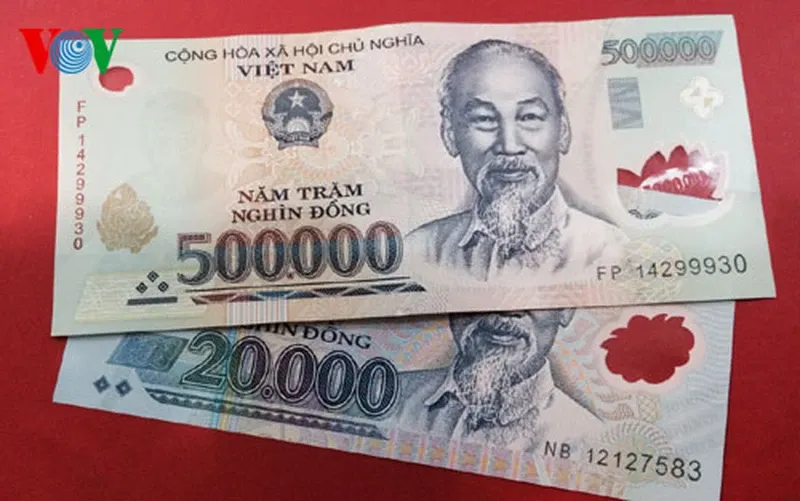
Travelers need to be particularly careful with the 20,000 VND (blue) and 500,000 VND (also blue) notes. They look surprisingly similar in low light, and mixing them up is a costly mistake. While coins technically exist, they are almost never used in daily circulation.
Cash vs. Card: What to use?
Vietnam is rapidly modernizing, but cash is still king on the streets. If you try to pay for your noodle soup with a Visa card, you will likely get a confused look.
It is best to use cash for street food vendors, local markets, buses, motorbike taxis (Xe Om), and small convenience stores. Entrance fees at smaller temples and purchasing SIM cards at local shops will also require cash.
Conversely, reserve your card for booking accommodation via apps like Agoda or Hostelworld, using the Grab App (where you can link your card for seamless payment), or dining at upscale restaurants and shopping in malls.
Tour agencies often accept cards but usually charge a 3% transaction fee. A good rule of thumb is to keep about 1-2 million VND ($40-$80) in cash on you at all times for daily expenses.
Best ATMs for backpackers (Avoid the fees)
ATM fees can eat into a backpacking Vietnam budget faster than you realize, as foreign banks often charge exorbitant withdrawal fees.
To minimize costs, look for TPBank and VPBank ATMs. These local banks often have zero or very low withdrawal fees for international cards.
Agribank and Vietcombank are acceptable alternatives; they are ubiquitous even in rural areas but usually have a lower withdrawal limit of 2-3 million VND and charge a small fee of around $1-$2. It is generally best to avoid international banks like HSBC and Citibank for withdrawals, as their fees tend to be significantly higher.
Crucial Tip: When the ATM screen asks if you want to be billed in VND or your home currency (Dynamic Currency Conversion), always choose VND. This lets your home bank handle the conversion rate, which is almost always better than the terrible rate offered by the ATM.
Cost of accommodation
Vietnam offers some of the best value-for-money accommodation in Southeast Asia. You don’t have to stay in a dirty room to save money here.
Competition is fierce, which drives quality up and prices down. Prices vary by location, with big cities like Hanoi and HCMC costing slightly more for smaller spaces, while tourist hubs like Hoi An and Da Nang offer incredible value – often featuring homestays with swimming pools for budget prices.
Hostels and Dorms
Hostels in Vietnam are legendary, ranging from party-centric chaos with free vodka hours to chill, co-working style spaces. You can expect to pay between $5 and $10 per night. Almost all hostels include free Wi-Fi, a towel, and often a simple breakfast of eggs or pancakes.
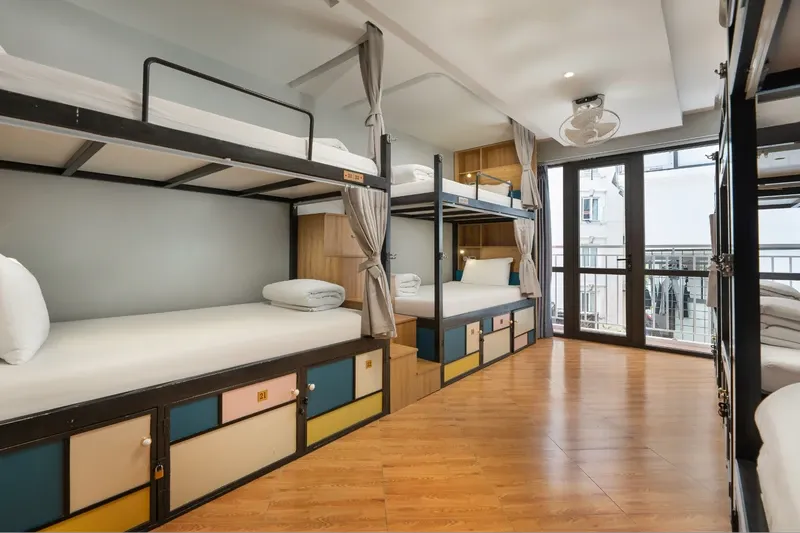
The vibe is a huge selling point, many offer “family dinners” for a small fee, which is the absolute best way to meet fellow travelers if you are solo. Modern hostels have also evolved, now featuring “pod” style beds with privacy curtains, reading lights, and lockers, ensuring you can have privacy even in a dorm setting.
Private Rooms and Homestays
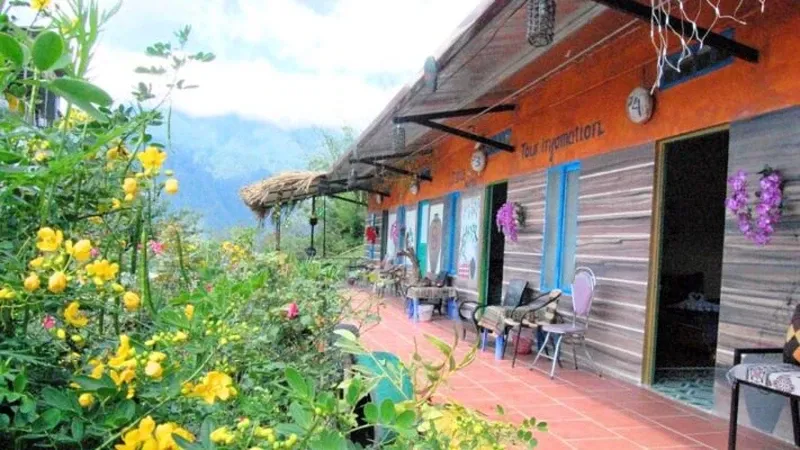
If you are traveling as a couple or simply need a break from communal living, private rooms are very affordable. Homestays are a unique Vietnamese experience where you stay in a family-run guesthouse. These are often cleaner than hostels and offer a warmer, more personal experience.
Expect to pay $12 – $20 per night for a double room with AC and a private bathroom. For two people sharing, a private room in a homestay is often the same price (or cheaper) than two beds in a hostel dorm, making it a smart choice for couples or friends.
Cost of food and drinks
Food is not just fuel in Vietnam; it is the main event. The street food culture is robust, safe, and incredibly cheap. You could eat a different dish every day for a month and not repeat yourself.
Street food prices
Eating on the street is the key to maintaining a low budget Vietnam backpacking plan. The general rule is to look for places filled with locals; if there are tissues on the floor and a queue, the food is guaranteed to be good.
A bowl of Pho typically costs between 35,000 – 50,000 VND, while the ultimate budget lunch, Banh Mi, ranges from 20,000 – 35,000 VND.
Other staples like Bun Cha (grilled pork and noodles) or Com Tam (broken rice) usually fall in the 35,000 – 60,000 VND range. Be aware that prices in prime tourist areas like Hanoi’s Old Quarter can be 20-30% higher than just a few streets away.

Restaurants and Western food
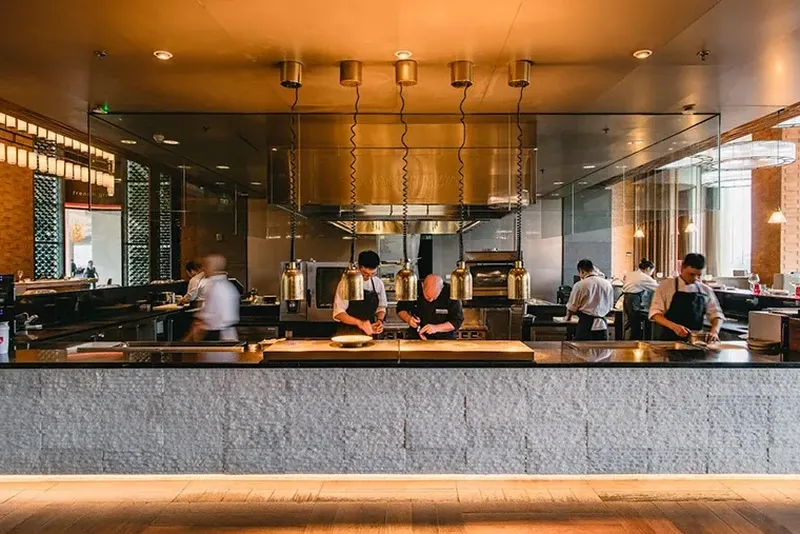
Sometimes, cravings strike, and you just need a burger. That is okay. Vietnam has a thriving expat scene, meaning high-quality Western food is available, especially in major cities. However, Western food is imported and priced similarly to back home.
A good pizza or burger will cost between 150,000 and 250,000 VND ($6-$10). While delicious, eating Western food every day is the fastest way to blow your budget, so it is best treated as a luxury rather than a daily staple.
Beer, Water, and Coffee
Vietnam runs on coffee and unwinds with beer, and both are extremely affordable. The table below outlines typical costs:
| Item | Price (VND) | Price (USD) |
| Bia Hơi (Fresh Draft Beer) | 5,000 – 10,000 | $0.20 – $0.40 |
| Local Bottle Beer (Saigon/Hanoi) | 20,000 – 30,000 | $0.80 – $1.20 |
| Craft Beer | 80,000 – 120,000 | $3.20 – $4.80 |
| Vietnamese Coffee (Ca Phe Sua Da) | 20,000 – 35,000 | $0.80 – $1.40 |
| Bottle of Water (1.5L) | 10,000 – 15,000 | $0.40 – $0.60 |
Warning: Vietnamese coffee is potent – it’s practically rocket fuel. Don’t drink it too late in the day unless you plan to stay up all night!
Cost of transport
Vietnam is physically long and thin, meaning you will be doing a lot of North-South travel. Fortunately, the transport infrastructure is well-developed for travelers, offering options for every budget.
Long-distance travel
Choosing between the bus and the train is the classic backpacker dilemma.
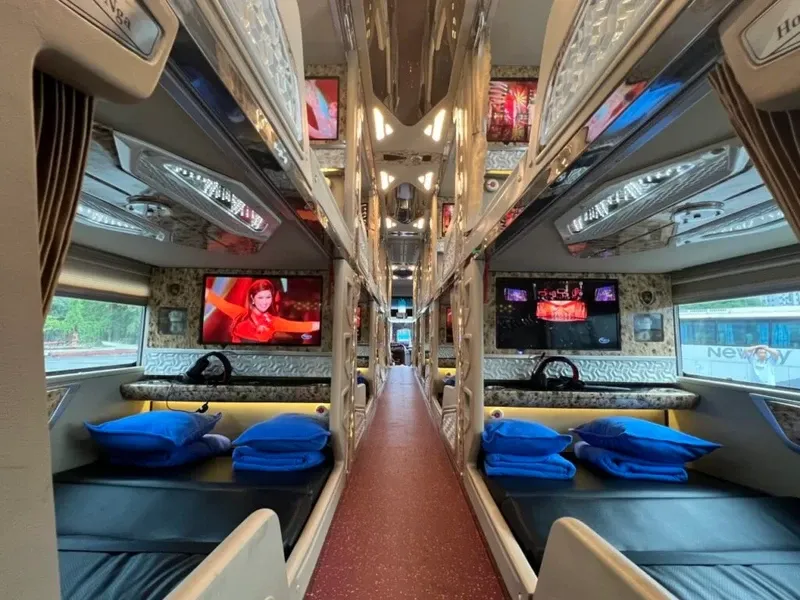
Sleeper Buses are the cheapest option, costing around $10 – $15 for a 10-hour journey. They save you a night of accommodation and cover almost every route in the country.
However, they can be cramped if you are tall, and driving styles can be erratic. For a few dollars more ($5-$7), you can upgrade to a “VIP Cabin” bus with private pods, which is highly recommended for sleep quality.
Trains (Reunification Express) offer a safer, smoother, and more scenic journey – the Hai Van Pass route is particularly stunning. While they are more expensive than buses ($25 – $40 for a soft sleeper berth) and slower, the legroom and comfort make them a favorite for many. A good strategy is to take the train for scenic short distances and VIP buses for long hauls.
Getting Around Cities
Once you arrive in a city, booking apps like Grab (Southeast Asia’s version of Uber), Be, XanhSM, are your best friends.
You can book a car or a motorbike taxi with a fixed price, removing the need to haggle. A Grab Bike ride across town might cost as little as $1.
For more freedom, Motorbike Rental is popular, costing 100,000 – 150,000 VND ($4-$6) per day. However, safety is a major concern. Vietnamese traffic is chaotic, so only rent if you are a confident rider and always wear a helmet.
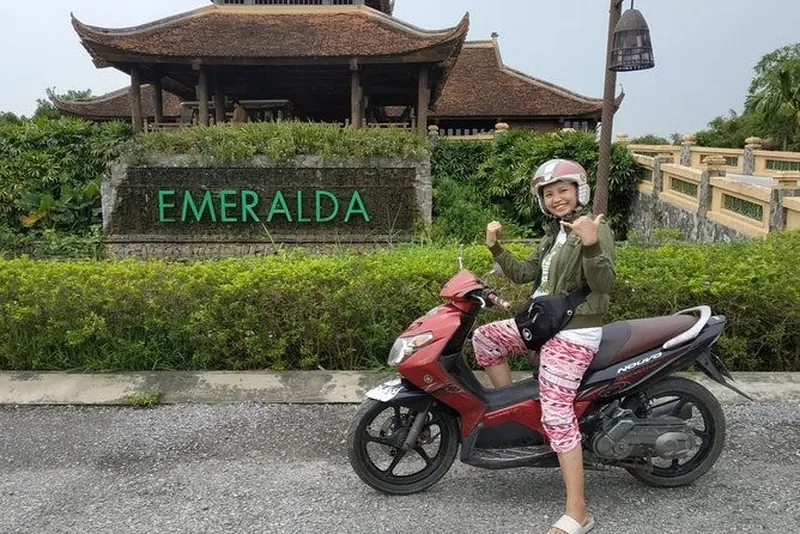
Some adventurous backpackers choose to buy a motorbike in Hanoi or HCMC to ride across the country. A used Honda motorbike costs between $250 – $400, and you can usually resell it for around $200-$300 at the end of your trip. While legendary, this comes with maintenance costs and legal risks regarding licenses.
Cost of tours and activities
While you can do a lot for free, some activities are worth paying for. Budgeting for these “big ticket” items is essential so you don’t miss out on the highlights.
The two most popular excursions in Northern Vietnam are the Ha Giang Loop and Ha Long Bay Cruise tour. The Ha Giang Loop is a 3-4 day motorbike journey through spectacular mountains near the Chinese border.
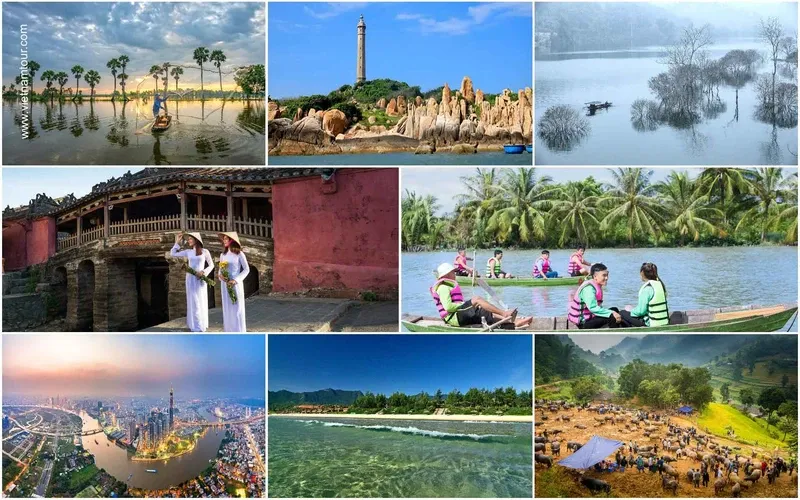
Self-driving costs about $100, while an “Easy Rider” tour (where you sit on the back of a guide’s bike) costs between $180 – $250. It is often cited as the highlight of backpacking Southeast Asia.
For Ha Long Bay or Lan Ha Bay, it is best to avoid the cheapest day trips ($30) as they are often rushed and crowded. A decent 2-day/1-night cruise costs between $130 and $180. A pro tip is to choose Lan Ha Bay over Ha Long Bay to enjoy fewer crowds and cleaner water.
Fortunately, there are plenty of free and cheap things to do. You can walk around Hoan Kiem Lake in Hanoi on weekends, visit the lantern-lit Ancient Town of Hoi An (paying only for specific temples), watch the Dragon Bridge fire show in Da Nang, or hike trails in Sapa using maps like Maps.me without a guide.
Top tips for budget Vietnam backpacking
Saving money in Vietnam is an art form. Here are some actionable strategies to stretch your backpacking Vietnam budget further.
First, eat where the locals eat. If a menu is in English with professional photos, you are likely paying a “tourist tax.” Look for plastic stools and busy crowds.
Second, utilize night travel via sleeper buses and trains to combine transport and accommodation costs.
Third, bring a reusable bottle. Many hostels offer free water refills, saving you money and reducing plastic waste.
Fourth, use booking apps to avoid metered taxis waiting at tourist spots, which often use rigged meters.
Finally, try messaging hostels directly on social media; sometimes they offer better rates than booking platforms.
How to Haggle
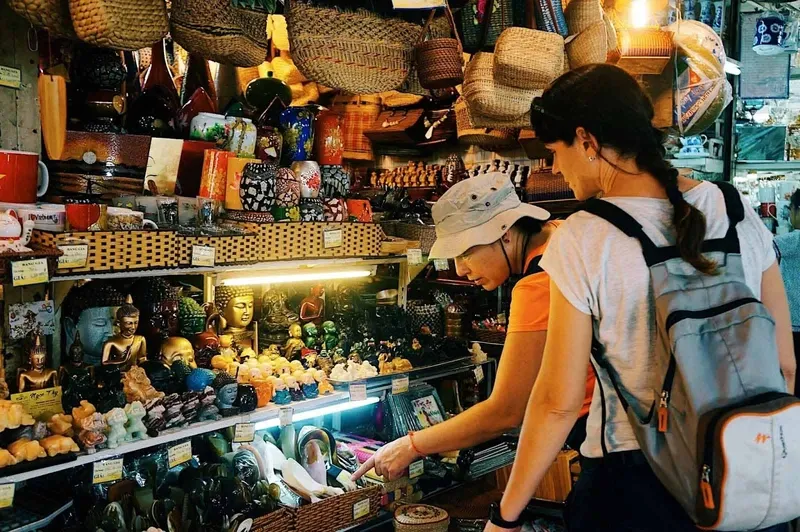
Haggling is part of the culture in markets like Ben Thanh (HCM) or Dong Xuan (Hanoi. It should be treated as a game, not an argument. Start by asking the price, then react with playful shock, counter-offer with 40-50% of their asking price.
They will laugh and lower it slightly. Aim to meet in the middle, usually around 60-70% of the original price. If they won’t budge, the strongest move is to smile and walk away, they will often call you back with a better price.
Avoiding Scams
While Vietnam is safe, petty scams exist. Be wary of the Coconut Photo scam, where a vendor places a heavy fruit basket on your shoulder for a photo and then demands money. Just say “No” firmly.
Watch out for Shoe Shiners who point at your shoes and try to clean or glue them while you are eating – pull your feet away immediately.
Finally, avoid taxis waiting outside airports or museums unless they are from official lines like Mai Linh or Vinasun, as others often have rigged meters.
SIM Cards and Internet
Having data is essential for maps and translation. Viettel is the provider with the best coverage, especially in rural areas like Ha Giang or Sapa.
A SIM card with 2GB-4GB of data per day for a month typically costs about 250,000 – 350,000 VND ($10 – $14). It is best to buy these at an official store in the city rather than airport kiosks for better rates and support.
Total cost for 1 month in Vietnam
So, what is the bottom line for a budget Vietnam backpacking trip?
If you are a shoestring warrior, staying in dorms, eating street food, drinking Bia Hoi, and prioritizing free activities, you can comfortably travel for $900 – $1,000 per month. This budget includes one major paid activity, like a self-drive Ha Giang loop.
If you are a comfortable flashpacker, mixing dorms with private rooms, eating a variety of cuisines, taking trains or VIP buses, and splurging on the Easy Rider Ha Giang tour and a nice cruise, expect to spend $1,400 – $1,600 per month.
The Verdict: If you budget around $1,200 USD, you will have an incredible month in Vietnam without worrying about money.
Frequently Asked Questions
Is Vietnam cheap for backpackers?
Yes, it is consistently ranked as one of the cheapest countries to travel in. Your money goes further here than in Thailand or Indonesia.
Do I need to tip in Vietnam?
Tipping is not part of the local culture and is not expected at street stalls or local restaurants. However, in tourist areas, spas, or for tour guides, a small tip is appreciated but never mandatory.
Can I use USD/Euro in Vietnam?
Generally, no. You must use Vietnamese Dong (VND). While tour agencies might accept USD for big bookings, street vendors, restaurants, and convenience shops will not.
How much emergency cash should I carry?
It is wise to keep about $100 USD (in clean, crisp notes) hidden in your bag for emergencies. It is easy to exchange at gold shops or banks if your cards stop working or are lost.
Vietnam is a country that rewards the curious and the hungry. With a little planning and this budget guide, you are ready to explore the stunning landscapes and vibrant culture of Vietnam without breaking the bank.

