
Is Hue worth visiting for first-time travelers to Vietnam? This question comes up often because Hue feels very different from many well-known destinations in the country. With its imperial history, traditional culture, and calm atmosphere, Hue appeals to some travelers while leaving others unsure if it fits their itinerary.
The answer depends on what you want from your trip. Hue focuses on heritage, local food, and a slower pace rather than beaches or nightlife. This guide explains what Hue is really like, who it suits best, and when it may or may not be worth visiting, so you can decide with confidence.
Table of Contents
Answer the question: Is Hue worth visiting?
Yes, Hue is worth visiting if you enjoy history, culture, and a slower travel pace. The city is home to Vietnam’s former imperial capital, well-preserved royal sites, and a food scene that reflects centuries of tradition. Hue works best for travelers who like meaningful sightseeing rather than fast-paced entertainment.
However, Hue may not suit everyone. If your trip focuses on beaches, nightlife, or a lively social scene, Hue can feel quiet. For travelers interested in heritage, local life, and relaxed exploration, Hue is a rewarding and memorable stop.
Why travelers question whether Hue is worth visiting
Many travelers question whether Hue is worth visiting because it does not match the image of a typical tourist city in Vietnam. Hue is calm, traditional, and spread out, with fewer headline attractions packed into one area. For visitors used to busy old towns or beach resorts, this can create uncertainty.
Another reason is expectation mismatch. Some travelers arrive expecting lively streets or dramatic scenery and are surprised by Hue’s reserved atmosphere.
Hue rewards patience and curiosity rather than quick sightseeing, which is why opinions vary so widely among visitors.
What makes Hue worth visiting
Several factors set Hue apart from other destinations in Vietnam. Rather than offering a long list of modern attractions, Hue’s appeal comes from its history, traditions, and everyday atmosphere.
Imperial history and UNESCO heritage
Hue was the imperial capital of Vietnam for more than a century, and this history shapes the city’s identity.
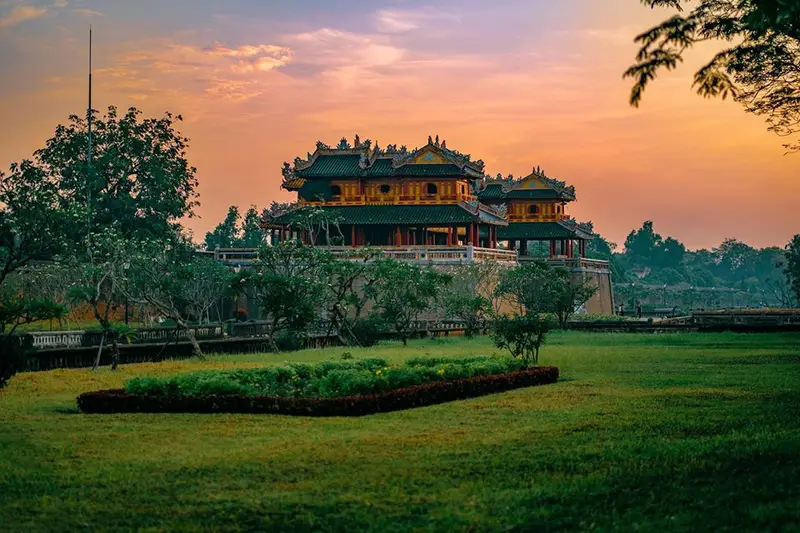
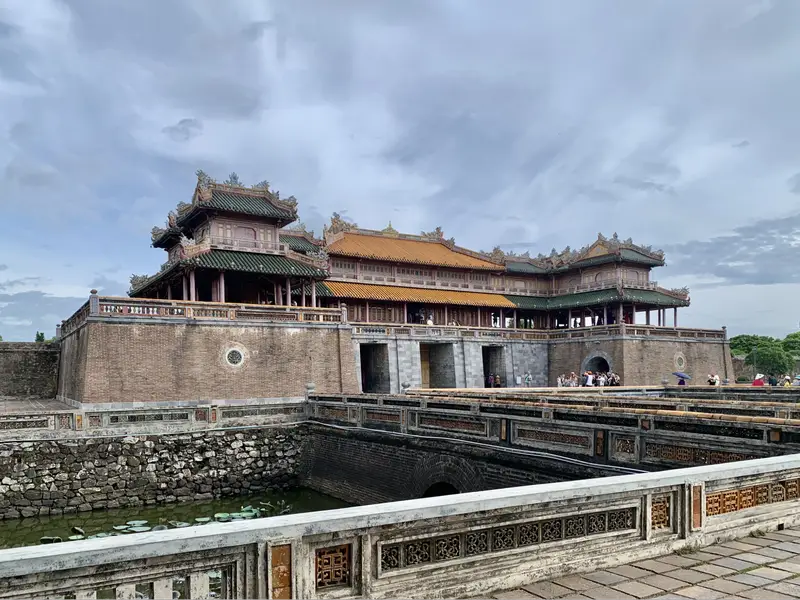
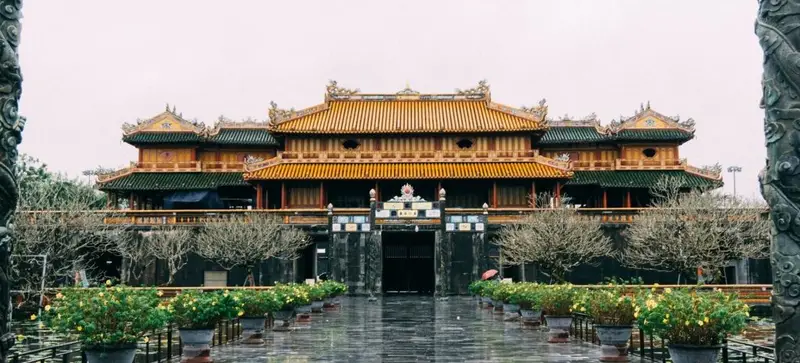
The Imperial City, a UNESCO World Heritage Site, reflects the power and structure of the Nguyen Dynasty through its gates, palaces, and courtyards. Walking through these spaces gives real context to Vietnam’s royal past, not just a checklist attraction.
Royal tombs and cultural landmarks
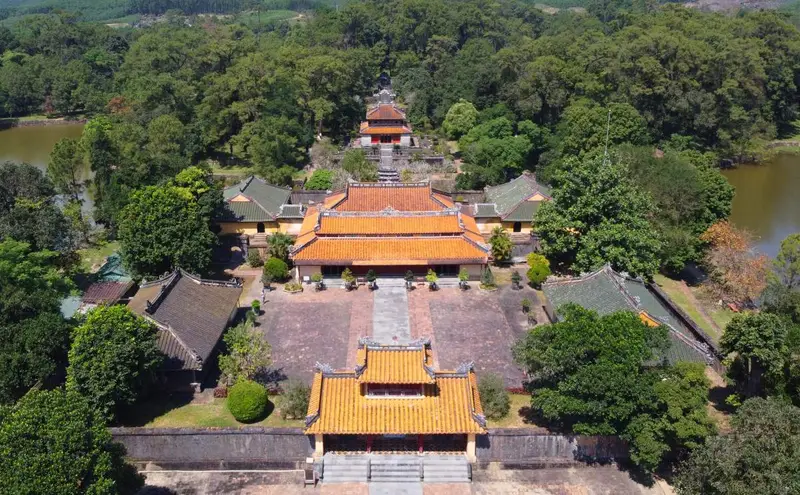
Beyond the main citadel, Hue’s royal tombs are one of its strongest highlights. Each tomb has a distinct design and setting, combining architecture with landscaped gardens.
They are spaced outside the city, which makes visiting feel more like exploring historical sites than moving through crowded tourist stops.
Local culture and daily life in Hue
Hue has a noticeably slower pace than many Vietnamese cities. Daily life revolves around markets, neighborhood streets, and riverside walks rather than nightlife hubs.
This calm atmosphere gives visitors a clearer look at traditional customs, local routines, and the quieter side of central Vietnam.
Hue’s food scene and regional specialties
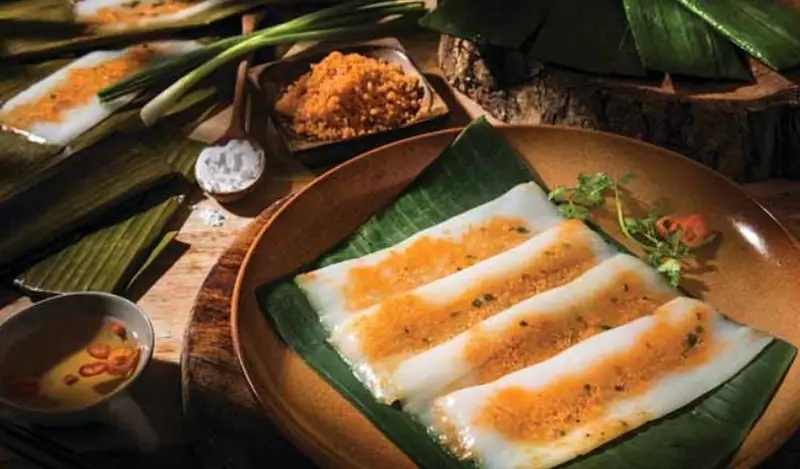
Hue is known for food that reflects its royal heritage and central Vietnamese flavors. Dishes are often smaller, more refined, and balanced in taste.
From bun bo Hue to traditional imperial-style meals, the city offers a food experience that feels local and deeply rooted in history rather than designed for mass tourism.
Together, these elements make Hue a destination that rewards travelers who value depth, tradition, and a slower, more thoughtful way of exploring Vietnam.
What you can do in Hue and how long you need
Hue offers enough sights and experiences to fill one relaxed day or a deeper two to three day stay. The city is spread out, so sightseeing feels slower and more deliberate, which suits travelers who prefer quality over quantity.
A typical visit focuses on the Imperial City, key pagodas, and riverside areas within the city. Beyond that, many travelers explore the royal tombs on the outskirts, either by bicycle, scooter, or car. These visits are not rushed and often take half a day on their own.
If you have one day, you can see the main highlights but should expect a full schedule. With two to three days, Hue becomes far more enjoyable, allowing time for tombs, local food, and unhurried walks that reveal the city’s character.
Best time to visit Hue
The best time to visit Hue is during the drier months, when sightseeing is more comfortable and outdoor attractions are easier to enjoy.
From March to August, days are generally warm and suitable for exploring the Imperial City, royal tombs, and riverside areas, though summer temperatures can be high.
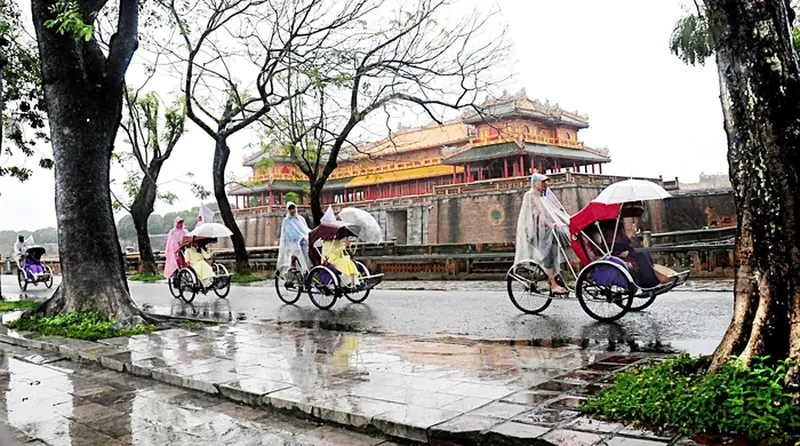
The rainy season runs from September to January, bringing heavy rain and occasional flooding that can disrupt travel plans.
While Hue is quieter during this period, weather conditions may limit outdoor activities. Travelers who prefer easier sightseeing and clearer schedules will find the dry season more reliable.
Is Hue worth visiting for your travel style?
Whether Hue is worth visiting often depends on how you like to travel. The city appeals strongly to certain types of travelers, while others may feel it does not match their expectations.
Culture and history-focused travelers
Hue is especially rewarding if you enjoy learning about history and visiting heritage sites. The former imperial capital offers context and depth that few other places in Vietnam can match, making it ideal for travelers who value culture over entertainment.
Backpackers and budget travelers
Hue suits budget travelers well. Accommodation, food, and transport are generally affordable, and many attractions are low-cost. Backpackers who enjoy quiet evenings and meaningful sightseeing often find Hue good value.
Couples and slow travelers
Couples and travelers who enjoy a relaxed pace tend to appreciate Hue’s calm atmosphere. Riverside walks, traditional architecture, and unrushed meals create a setting that feels reflective rather than busy.
Who Hue may not suit
Hue may disappoint travelers who prioritize nightlife, beaches, or constant activity. If your trip is focused on social scenes or resort-style experiences, Hue can feel too quiet or slow.
Downsides and practical tips for visiting Hue
Hue’s strengths come with a few trade-offs that are worth understanding before you go. Knowing these in advance helps set realistic expectations and makes the experience more enjoyable.
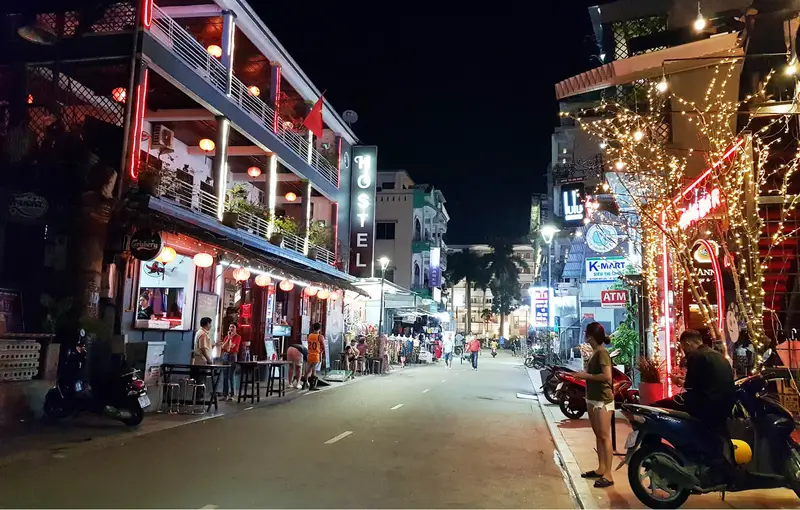
The main downside is the slow pace. Attractions are spread out, and evenings are quiet, which can feel limiting for travelers who prefer constant activity.
Weather is another factor, as heavy rain during certain months can disrupt sightseeing. Hue also has fewer standout attractions packed into one area, so planning matters more than in compact cities.
To enjoy Hue more, allow enough time and avoid rushing. You should plan your days around nearby clusters of sights, start early to beat the heat, and use a bicycle or scooter to move efficiently. Also, visiting with the right mindset, focused on culture and atmosphere rather than speed, makes a noticeable difference.
FAQs
Does Hue feel too quiet or “empty” for first-time visitors to Vietnam?
Hue can feel quiet compared to major cities or beach towns, especially in the evening. This is part of its character and suits travelers who enjoy calm surroundings rather than nightlife.
Is Hue worth visiting if you only have one day?
Yes, but it will feel rushed. One day is enough for the Imperial City and a brief city overview, while two or more days allow a deeper and more relaxed experience.
Is Hue worth visiting compared to other destinations in central Vietnam?
Hue stands out for history and culture rather than scenery or entertainment. It complements nearby destinations well but offers a very different type of experience.
Does Hue feel authentic or overly tourist-focused today?
Hue still feels largely authentic. While major sites attract visitors, daily life, food culture, and neighborhoods remain rooted in local traditions.
Final verdict: Is Hue worth visiting?
Hue is worth visiting if you are drawn to history, culture, and a slower way of traveling. It offers depth, local character, and a clear sense of Vietnam’s imperial past that few destinations can match.
While it may not suit travelers looking for nightlife or beach time, those who value meaning over momentum often find Hue to be a rewarding and memorable stop.
- Website: https://vietnambackpackerhostels.com/
- Facebook: https://www.facebook.com/vietnambackpackerhostels
- Instagram: https://www.instagram.com/vietnambackpackerhostels
- TikTok:https://www.tiktok.com/@vietnambackpackerhostels

