
Hanoi and Hue are far apart, so the journey requires a clear plan. Travel time, comfort, and cost vary widely depending on the option you choose. Several transport options connect Hanoi to Hue, including trains, buses, flights, and self drive routes.
Each option suits a different type of traveler. Some save time, while others trade comfort for a lower price. This guide explains the realistic ways to travel from Hanoi to Hue in this year so you can choose the option that fits your trip without confusion.
Table of Contents
What is the best way to get from Hanoi to Hue?
- The train is the best option for most travelers. It offers a good balance of comfort, price, and reliability, and it allows you to travel overnight without losing a full day.
- A flight works best if time is limited and the higher cost is acceptable. Total travel time stays short, but airport transfers reduce the advantage.
- A sleeper bus costs the least, but comfort is limited and sleep quality varies. This option suits travelers on a tight budget who can handle a long overnight ride.
- A self drive car makes sense for groups or travelers who want flexibility and plan to stop along the way. The journey takes longer and requires more energy, so it works best when split over two days.
Hanoi to Hue distance, travel time, and route overview
The distance from Hanoi to Hue is about 670 kilometers. Overland travel usually takes 13 to 15 hours, which is why most buses and trains run overnight. Flights shorten the journey in the air, but time spent reaching and leaving the airport still adds several hours.
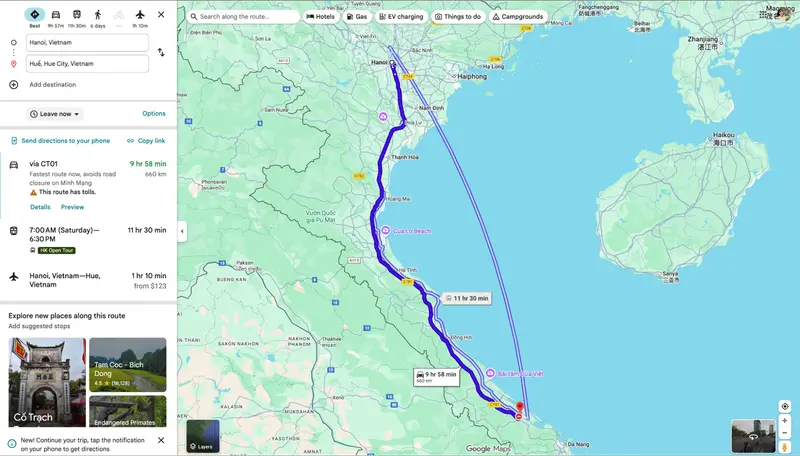
The route follows Vietnam’s narrow central region, where mountains and coastal terrain limit direct highways. This geography explains why land travel feels long and why many travelers choose to sleep during the journey or fly instead.
Best ways to travel from Hanoi to Hue (detailed comparison)
Several transport options connect Hanoi and Hue, and each one offers a different balance of time, comfort, and cost. The sections below explain how each option works in real travel conditions so you can compare them clearly and choose the one that fits your trip.
| Transport | Travel time | Price range | Comfort level | Best for | Main drawback |
| Train | 13 to 14 hours | Medium | High | Most travelers | Sleep quality depends on cabin |
| Sleeper bus | 13 to 15 hours | Low | Low to medium | Tight budgets | Bumpy and noisy |
| Flight | About 1 hour 15 minutes in the air | High | High | Short trips | Airport transfers add time |
| Self drive car | 14 to 16 hours | High | High | Groups and families | Long and tiring |
| Motorbike | 4 to 6 days | Medium | Medium | Experienced riders | Weather and safety risks |
1. Train from Hanoi to Hue (most scenic and balanced option)
Price range: about 500,000 to 1,300,000 VND
Hard sleeper tickets sit at the lower end, while soft sleeper cabins and private berths cost more. Prices increase during holidays and peak travel months.
Train travel from Hanoi to Hue takes about 13 to 14 hours. Most services run overnight and arrive in Hue early in the morning, which helps travelers save a hotel night.
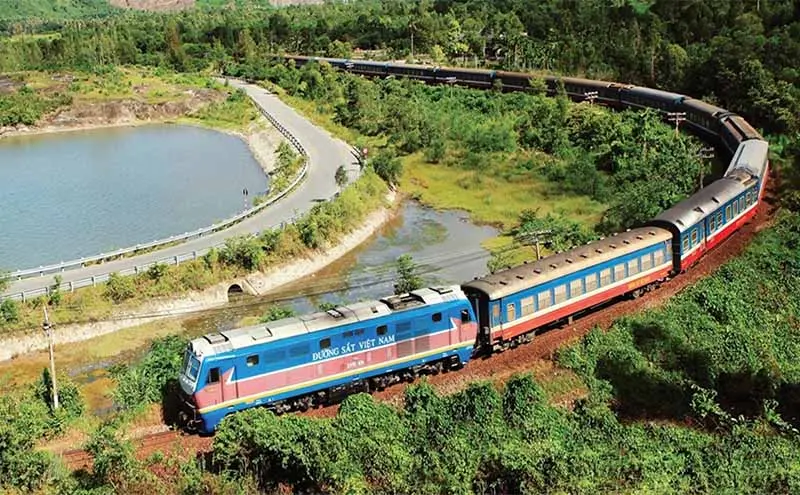
Soft sleeper cabins offer the best balance of comfort and value. Hard sleeper cabins cost less but feel firmer and noisier, especially on busy routes. Day trains provide better views near the coast, but the long sitting time can feel tiring.
This option suits first time visitors, couples, and travelers who prefer a steady and predictable journey. Sleep quality depends on cabin choice and passenger volume.
2. Sleeper bus (cheapest but least comfortable)
Sleeper buses usually take 13 to 15 hours and operate overnight.
Price range: about 350,000 to 550,000 VND
Standard sleeper buses cost less, while newer cabin style buses sit at the higher end of the range. Comfort varies more than price.
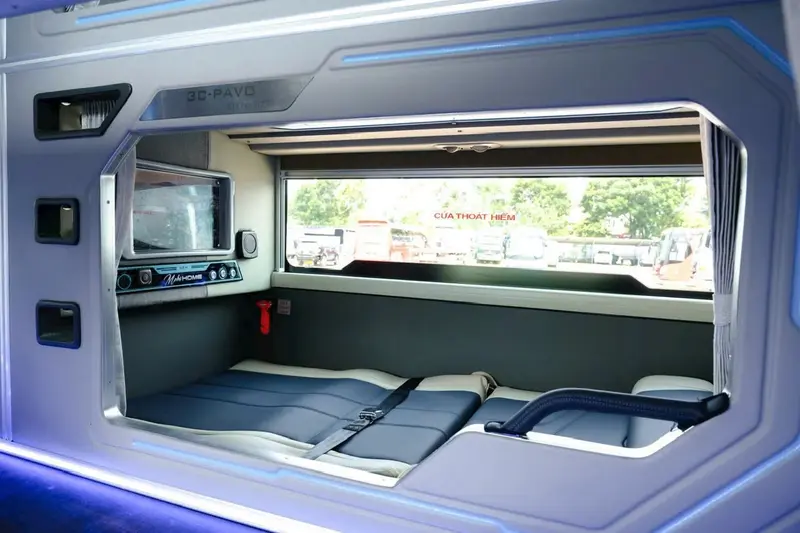
Comfort varies widely between operators. Seats can feel narrow, and frequent stops may interrupt rest. Light sleepers often arrive tired after the journey. This option works best for travelers with a tight budget who accept reduced comfort in exchange for lower cost.
3. Flight from Hanoi to Hue (fastest but limited)
Flights take around 1 hour and 15 minutes in the air. Total travel time often reaches 4 to 5 hours after transfers and check in.
Price range: about 1,200,000 to 2,500,000 VND
Lower prices appear with early booking and off peak travel. Holiday periods and last minute tickets often reach the upper range.
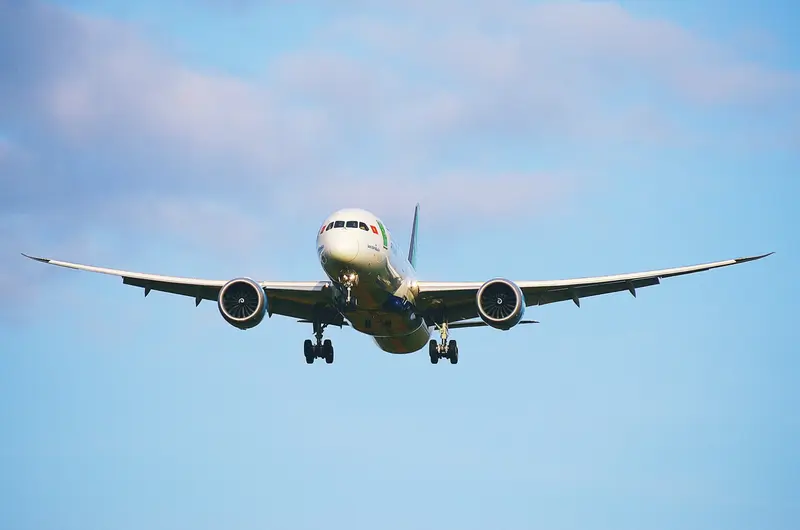
Flying suits short trips and travelers who value speed. Phu Bai Airport sits close to Hue city, so ground transfers remain simple. Ticket prices rise during peak travel periods, and daily schedules stay limited. This option costs more than land transport and offers less flexibility.
4. Self drive car from Hanoi to Hue (maximum flexibility)
Driving from Hanoi to Hue takes about 14 to 16 hours without long breaks. Most travelers divide the trip across two days to reduce fatigue.
Price range: about 3,500,000 to 6,000,000 VND total
This estimate includes car rental, fuel, tolls, and basic expenses over one to two days. Costs drop per person when traveling in a group.
A private car provides flexible stops and more luggage space. Groups and families benefit most from this option. Traffic conditions and long driving hours require focus and patience. This option suits travelers who want control over their route and plan to explore along the way.
5. Motorbike from Hanoi to Hue (experienced riders only)
Motorbike travel usually takes 4 to 6 days, depending on daily distance and weather. Riders often cover shorter stretches each day to manage fatigue.
Price range: about 2,000,000 to 4,000,000 VND total
Costs include motorbike rental, fuel, basic maintenance, and accommodation over several days. Spending depends heavily on travel pace and route choices.
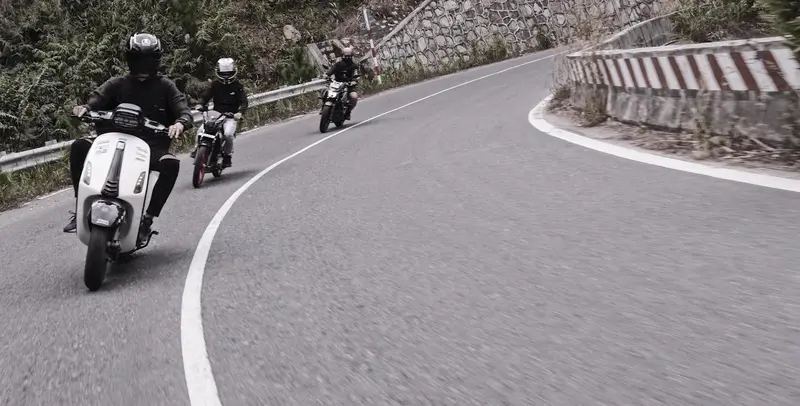
This journey offers scenic roads and close contact with local areas. Riding experience, route planning, and weather awareness remain essential. This option does not suit beginners or travelers with limited time.
Night travel vs daytime travel: which is better?
Night travel suits long routes like Hanoi to Hue because it reduces daytime fatigue and saves a hotel night. Trains and sleeper buses usually arrive early in the morning, which allows travelers to start exploring the same day. Sleep quality depends on noise, movement, and personal comfort with shared spaces.
Daytime travel works better for flights and for travelers who want to stay alert and arrive rested. Day trains offer coastal views near Hue, but the long sitting time can feel tiring. Drivers who choose daytime travel often prefer it for better visibility and safer road conditions.
How to choose the best Hanoi to Hue option for your travel style
Backpackers often choose the sleeper bus or hard sleeper train to keep costs low. This choice works well for flexible schedules and travelers who handle overnight travel without difficulty.
Couples and first time visitors usually prefer the train, especially soft sleeper cabins. This option offers better rest and a calmer travel experience.

Families and small groups benefit from flights or a self drive car. These options reduce travel stress and provide more control over timing and luggage.
Travelers with limited time often choose flights, while slow travelers and road trip fans prefer driving and stopping along the way.
Practical tips before traveling from Hanoi to Hue
A long journey between Hanoi and Hue becomes smoother with clear planning. Small choices made before departure often have a bigger impact on comfort and timing than the transport option itself.
Book tickets early for better seats and prices
Popular trains and flights between Hanoi and Hue often sell out several days in advance, especially during weekends and holiday periods. Early booking increases the chance of securing soft sleeper cabins on trains and avoids last minute price increases on flights.
Prepare for comfort on overnight journeys
Long overnight trips feel easier with basic preparation. Air conditioning on trains and buses can feel cold at night, so a light jacket adds comfort. Earplugs or headphones help reduce noise from other passengers and vehicle movement. Simple snacks and bottled water remain useful during long stretches without food stops.
Plan carefully for road and self drive travel
Driving long distances in Vietnam requires attention and patience. Weather conditions can change quickly, and rain often slows traffic on highways and mountain roads. Extra time in the schedule reduces pressure and allows safe breaks. Travelers who plan overnight stops along the route usually arrive more rested and enjoy the journey more.
FAQs about Hanoi to Hue
Is the train safe for Hue?
Yes. Trains between Hanoi and Hue are generally safe and reliable. Cabins remain secure, and staff are present throughout the journey. Valuables should stay close, especially in shared sleeper cabins.
Is the sleeper bus worth it?
The sleeper bus works for travelers who prioritize low cost over comfort. Seats can feel narrow, and sleep quality varies by operator. Light sleepers or travelers with back issues often prefer the train instead.
Is Hue airport well connected?
Yes. Phu Bai Airport sits about 15 kilometers from Hue city center. Taxis and ride services are easy to find, and transfer time usually stays under 30 minutes.
Final recommendation
The train is the best choice for most travelers going from Hanoi to Hue. It offers a steady journey, reasonable comfort, and good value, especially on overnight services that save a hotel night.
A flight works well for short trips or tight schedules, despite higher costs. Sleeper buses suit travelers who focus on budget and accept limited comfort. A self drive car fits groups who want flexibility and plan to travel slowly. Motorbike travel remains best for experienced riders with enough time and preparation.
Contact with VBH Travel below if you want to book Hue from Hanoi tours:
- Website: https://vietnambackpackerhostels.com/
- Facebook: https://www.facebook.com/vietnambackpackerhostels
- Instagram: https://www.instagram.com/vietnambackpackerhostels
- TikTok:https://www.tiktok.com/@vietnambackpackerhostels

