
Sapa is one of the most popular mountain destinations in northern Vietnam, but the experience can change a lot depending on when you visit. Weather conditions shift quickly in the highlands, fog can hide the views, and rice terraces only look their best during certain months.
This guide explains the best time to visit Sapa in 2026, based on real weather patterns, rice seasons, and travel conditions. You will learn when to go for clear views, golden rice fields, comfortable trekking, and when it may be better to avoid crowds or heavy rain.
Table of Contents
When is the best time to visit Sapa?
The best time to visit Sapa is from March to May and from September to November. During these months, the weather is more stable, temperatures are comfortable, and visibility is better for mountain views and trekking.
September and October are the top choices if you want to see the golden rice terraces, while March and April are ideal for clear skies, fresh air, and easy hiking. The main downside is that these periods are also the most popular, so Sapa can be busier, especially on weekends.
Why choosing the right time matters in Sapa
Sapa sits high in the mountains near the Chinese border, so its weather is very different from other places in Vietnam. Temperatures are cooler year-round, and conditions can change quickly within the same day. A sunny morning can turn foggy or rainy by the afternoon.
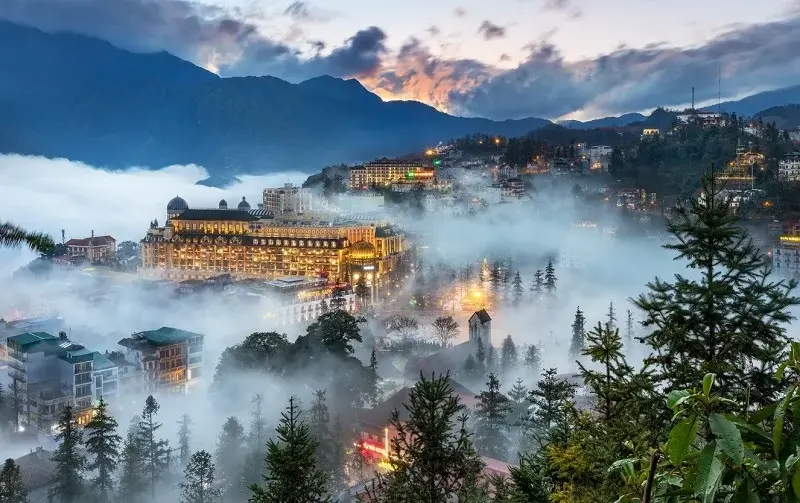
The time of year also affects what you actually see and do in Sapa. Fog can block mountain views, heavy rain can make trekking trails muddy, and rice terraces only look green or golden for a short period.
Sapa weather by season (what it really feels like)
Sapa has four clear seasons, but mountain weather does not always follow exact rules. Temperatures are cooler than most of Vietnam, and fog, rain, or sunshine can all appear in the same day. Understanding how each season actually feels on the ground helps you plan better and avoid surprises.
Below is a realistic look at Sapa’s weather by season, based on what travelers usually experience rather than just average numbers.
Spring (March to May): Clear skies and fresh landscapes
Spring is one of the most pleasant times to visit Sapa. Days are mild and dry, with cooler mornings and evenings. Visibility is often good, which makes this season ideal for mountain views and trekking.
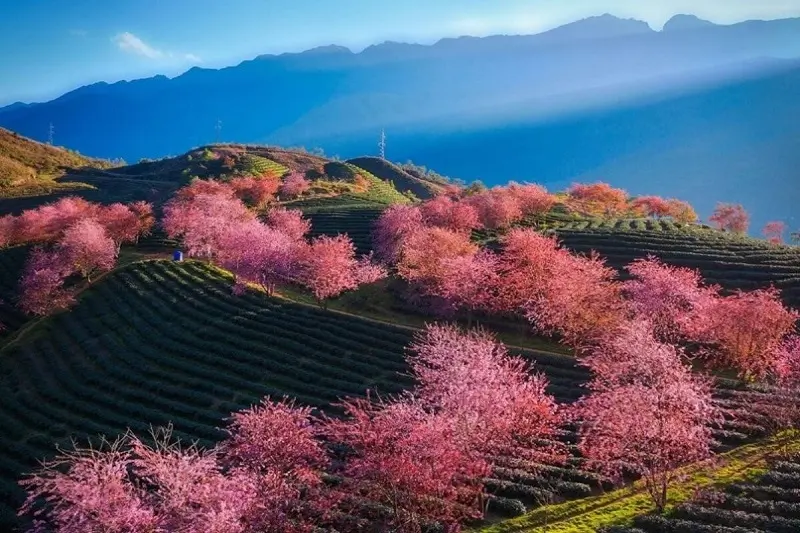
Rice fields are usually in the planting stage, so they may not be green or golden yet. However, the landscape feels fresh, flowers bloom across the hills, and hiking conditions are comfortable. This season is especially good for first-time visitors and travelers who plan to walk a lot.
Summer (June to August): Green rice fields but heavy rain
Summer brings warm temperatures and the most rain of the year. Rice terraces turn bright green, and the scenery looks full and lively. This is when Sapa’s countryside looks its most lush.
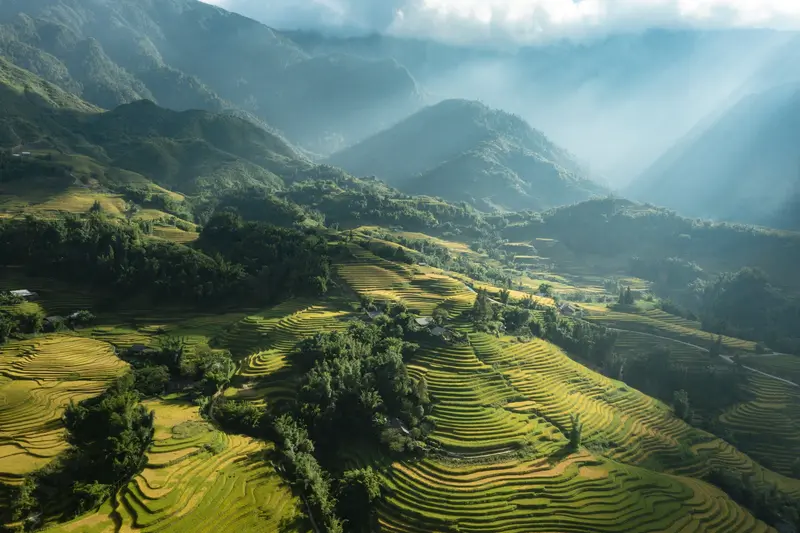
However, rain can fall heavily, often in the afternoon or evening. Trekking trails can become muddy and slippery, and landslides may affect travel on some days. Summer is best for travelers who care more about green landscapes than perfect weather and are flexible with plans.
Autumn (September to November): Golden rice and best balance
Autumn is widely considered the best season to visit Sapa. The weather is cooler and drier, and the sky is often clear. September and early October are the main rice harvest period, when terraces turn golden across the valleys.
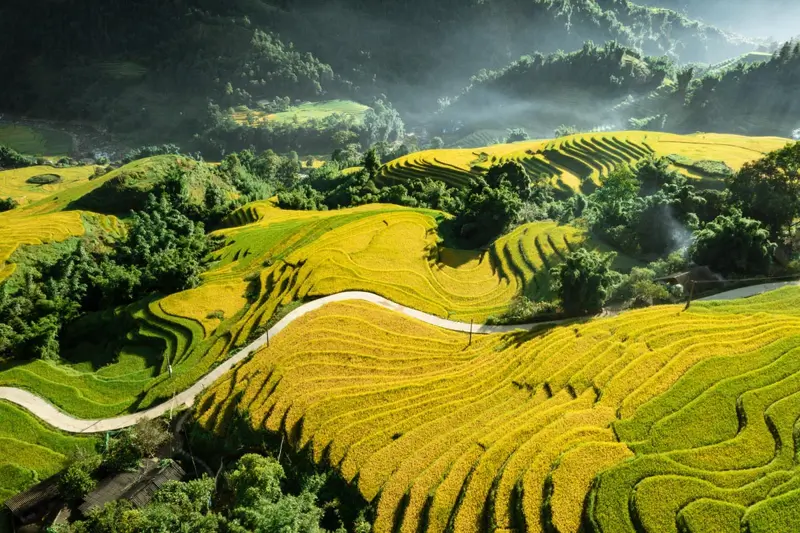
This season offers the best balance between scenery, weather, and trekking conditions. It is popular with photographers and hikers, so crowds can increase, especially in late September and October.
Winter (December to February): Cold, foggy, and quiet
Winter in Sapa is cold, especially at night. Daytime temperatures can feel chilly, and fog is common in the mornings and evenings. On rare occasions, Sapa may even see frost or light snow.
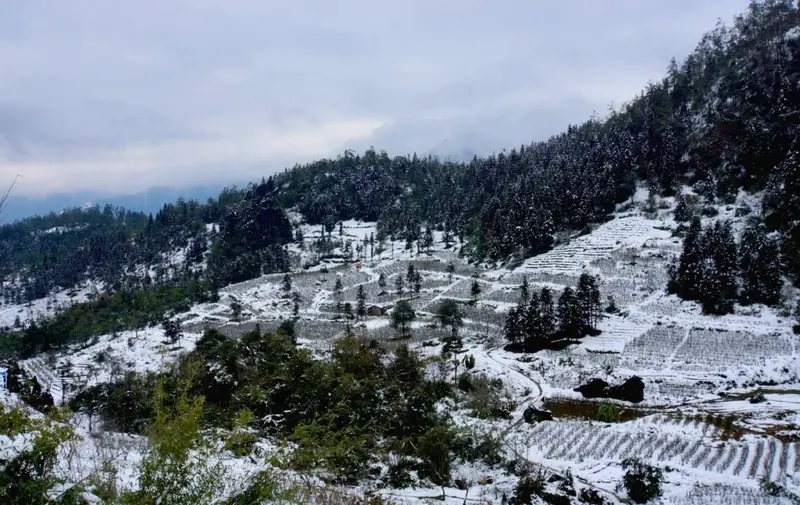
Views are often limited due to fog, but the town is quieter and less crowded. Winter suits travelers who enjoy cool weather, calm streets, and do not mind missing mountain views or rice scenery.
Best time to visit Sapa based on your travel style
Different travelers look for different experiences in Sapa. Whether you want easy trekking, colorful rice terraces, fewer crowds, or a quieter trip, choosing the right season helps you get the experience that suits you best.
Best time for trekking and hiking
The best months for trekking in Sapa are March to May and September to November. During these periods, temperatures are cooler, trails are less muddy, and visibility is better for mountain views and village walks.
Best time for rice terraces and photography
For green rice fields, visit from June to August, when the terraces are full and lush. For golden rice and harvest scenes, the best time is September to early October, which is also the most popular period for photography.
Best time to avoid crowds
To avoid crowds, travel during March, April, or November, and plan visits on weekdays rather than weekends. Winter months are also quieter, though fog often limits views.
Best time for budget and calm travel
Budget travelers and those who prefer a relaxed atmosphere may enjoy December to February or the rainy summer months. Prices are usually lower, and Sapa feels calmer, but weather conditions are less predictable.
A little planning makes a big difference in how much you enjoy the views, walks, and overall atmosphere.
When you should avoid visiting Sapa
Some periods of the year are less ideal for visiting Sapa, especially if you want clear views and easy travel. The most difficult time is July and August, when heavy rain is common. During these months, trekking trails can be muddy, visibility is often poor, and landslides may disrupt transport to and from Sapa.
You may also want to avoid major Vietnamese holidays, such as Tet (Lunar New Year) and long public holidays. During these times, Sapa becomes very crowded, accommodation prices rise, and popular viewpoints can feel busy. If you prefer quiet travel and flexible plans, visiting outside peak holiday periods will give you a more relaxed experience.
Month-by-month overview for best time to visit Sapa
This quick overview helps you compare weather, scenery, and travel conditions in Sapa throughout the year. Use it to match your travel dates with what you want to see and do.
| Month | Weather | Scenery | Crowds | Best for |
| January | Cold, foggy | Bare terraces | Low | Quiet travel, cold-weather lovers |
| February | Cold, misty | Limited views | Medium (Tet) | Cultural atmosphere |
| March | Cool, drier | Fresh hills | Medium | Trekking, first-time visits |
| April | Mild, clear | Green fields starting | Medium | Hiking, photography |
| May | Warm, mixed rain | Lush landscapes | Medium | Nature, fewer crowds |
| June | Warm, rainy | Bright green rice | Low | Green scenery |
| July | Hot, heavy rain | Very green | Low | Flexible travel only |
| August | Warm, rainy | Green rice | Low | Budget travel |
| September | Cool, drier | Golden rice | High | Rice terraces, photography |
| October | Cool, clear | Harvest views | High | Best overall experience |
| November | Cool, dry | Post-harvest | Medium | Trekking, clear views |
| December | Cold, foggy | Quiet landscapes | Low | Calm trips, fewer tourists |
Once you know your travel dates, it becomes much easier to choose the month that best matches your plans and expectations.
FAQs
Does Sapa have snow?
Snow in Sapa is very rare, but it can happen during extremely cold winters, usually in January or early February. When it does, snow only lasts a short time and should be seen as a bonus rather than something to plan around.
Is Sapa worth visiting in summer?
Sapa can still be worth visiting in summer if you want to see bright green rice fields and do not mind rain. You should expect wet weather, muddy trails, and limited views on some days, so flexibility is important.
Can I see rice terraces year-round?
No, rice terraces in Sapa change with the farming cycle. They look green from June to August and golden during September and early October, while other months may show bare or planted fields.
Final recommendation – So, when should you go?
If you are visiting Sapa for the first time and want the best overall experience, September to October is the top choice. These months offer golden rice terraces, cooler temperatures, and better visibility for trekking and photography.
If you prefer fewer crowds and comfortable hiking weather, March to April is a strong alternative, even though the rice fields are not at their most colorful. Winter and summer can still be enjoyable, but they suit travelers who are flexible and understand the weather trade-offs.

