
Table of Contents
Why Vietnam is the ultimate backpacker destination
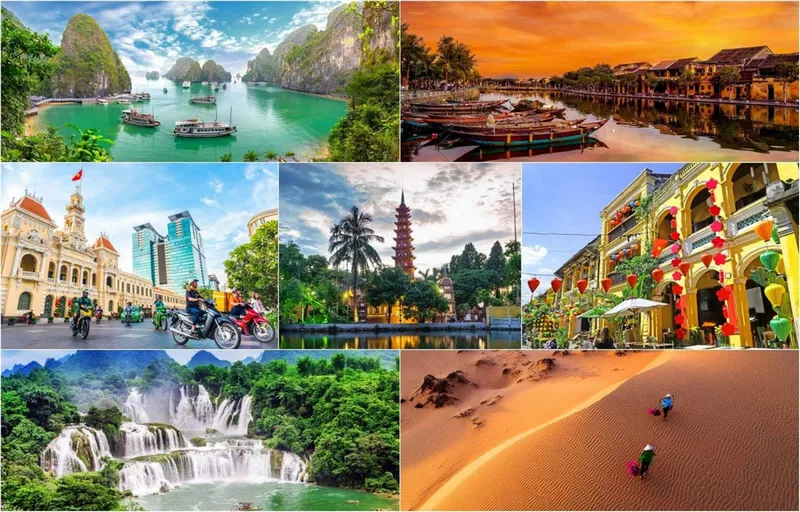
There is a specific energy to Vietnam that you can’t find anywhere else in Southeast Asia. It is the roar of a million motorbikes in Hanoi, the mist clinging to limestone karsts in Ha Long Bay, and the taste of a 50-cent Bia Hoi on a plastic stool after a long day of trekking.
For decades, the backpacker trail Vietnam offers has been a rite of passage for travelers, and for good reason. It is arguably the most diverse country in the region, packing mountainous loops, massive caves, tropical beaches, and chaotic cities into one S-shaped strip of land.
But beyond the landscapes, it is the accessibility that makes this country legendary. It is incredibly affordable, safe for solo travelers, and logically laid out.
Unlike the scattered islands of Thailand or the Philippines, Vietnam offers a linear journey. You pick a direction – North or South – and you go. Whether you are seeking the adrenaline of the Ha Giang Loop or the chilled-out lantern vibes of Hoi An, the backpacker trail in Vietnam delivers a life-changing experience without breaking the bank.
Planning your route: North to south or south to north?
Before you book your flight, you have to make the biggest decision of the trip: Which way are you heading? The Vietnam backpacking route is almost always linear, following the coast, but the direction matters more than you think, primarily due to weather and the dramatic “climax” of your trip.
Most veteran travelers recommend the Vietnam backpacking route south to north. Starting in Ho Chi Minh City (Saigon) allows you to ease into the humidity and chaos.
You begin with the tropical delta and beaches, work your way through the history of the center, and end with the absolute showstoppers in the North: the karst mountains and the Ha Giang Loop. Finishing your trip in the mountains feels like a massive achievement.
However, if you are traveling in the winter months (November to January), the North can be freezing and misty. In this case, starting in Hanoi and heading South means you are chasing the sun and ending your trip on the warm beaches of Phu Quoc or Mui Ne.
The classic backpacker trail: Key stops (South to north)
If you ask any traveler in a hostel common room where they are going, they will likely list the same iconic stops. This is the classic backpacker trail Vietnam is famous for. While you can always detour, these are the hubs where the community gathers, the buses stop, and the memories are made.
The south: Ho Chi Minh City & The Mekong Delta
Your journey likely begins in the frenetic energy of Ho Chi Minh City. This is modern Vietnam at its fastest. The backpacker hub is centered around Bui Vien Street, a neon-lit strip of bars and clubs that never sleeps.
While it’s a fun place to grab a beer and meet fellow travelers, the real soul of the city lies in the War Remnants Museum – a sobering but essential stop to understand the country’s past – and the street food stalls of District 4.
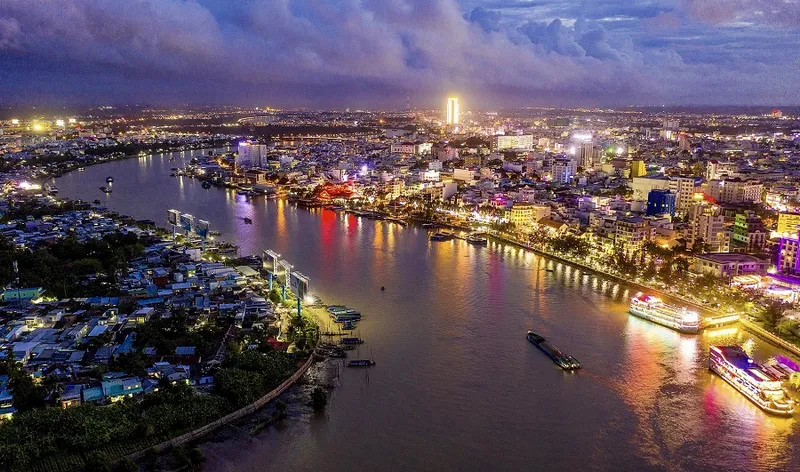
From here, a detour to the Mekong Delta is mandatory. This is the “rice bowl” of Vietnam, a watery world of floating markets and mangrove forests. Doing a homestay here offers a rare glimpse into a slower, river-based way of life that contrasts sharply with the madness of Saigon.
South central highlands: Mui Ne, Da Lat & Nha Trang
Moving up the coast, your first stop is usually Mui Ne. Famous for its massive red and white sand dunes, it is a surreal landscape that feels more like the Middle East than the tropics. Renting a quad bike or a jeep to see the sunrise over the dunes is the standard ritual here.
Next, you head inland to the mountains. Da Lat is a favorite on the backpacker trail Vietnam map. Known as the city of eternal spring, the air is cool, fresh, and smells of pine. This is the adventure capital.
The “must-do” activity here is canyoning – abseiling down waterfalls and cliff jumping. It is also famous for the “Easy Riders,” local guides who will take you on the back of their motorcycles to explore coffee plantations, silk factories, and hidden pagodas.
Back on the coast lies Nha Trang. Historically the party capital, it has become very touristy with high-rise hotels. However, for backpackers, it still offers famous boat parties and VinWonders, a massive amusement park on an island. If you aren’t into partying, many travelers skip Nha Trang to spend more time in serene places like Quy Nhon.

Central Vietnam: Hoi An, Hue & The Hai Van Pass
Hoi An is often voted the favorite stop on any Vietnam backpack route. It is an ancient trading port painted in mustard yellow, illuminated by thousands of silk lanterns at night. The vibe here is relaxed.
You spend your days getting custom clothes made by skilled tailors (for a fraction of the price back home), cycling through rice paddies to An Bang Beach, and eating the world’s best Banh Mi at Banh Mi Phuong.
A few hours north is Hue, the former imperial capital. It is a city of history, home to the Citadel and royal tombs. But for backpackers, Hue is the starting point for one of the best days of the trip: The Hai Van Pass.
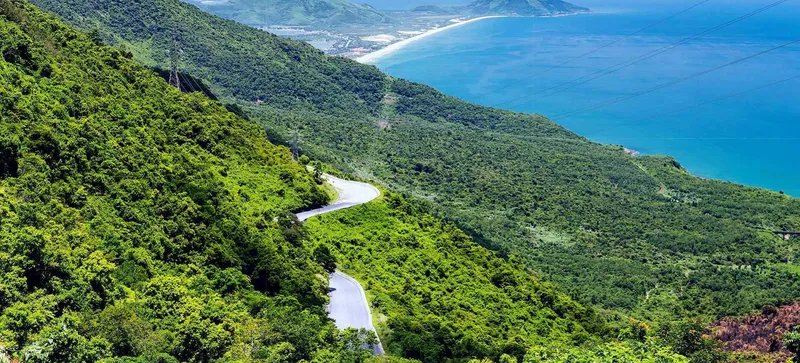
Popularized by Top Gear, this mountain pass offers breathtaking views of the ocean and clouds. Riding a motorbike (or sitting on the back of one) from Hoi An to Hue over this pass is a non-negotiable experience.
North central: Phong Nha & Ninh Binh
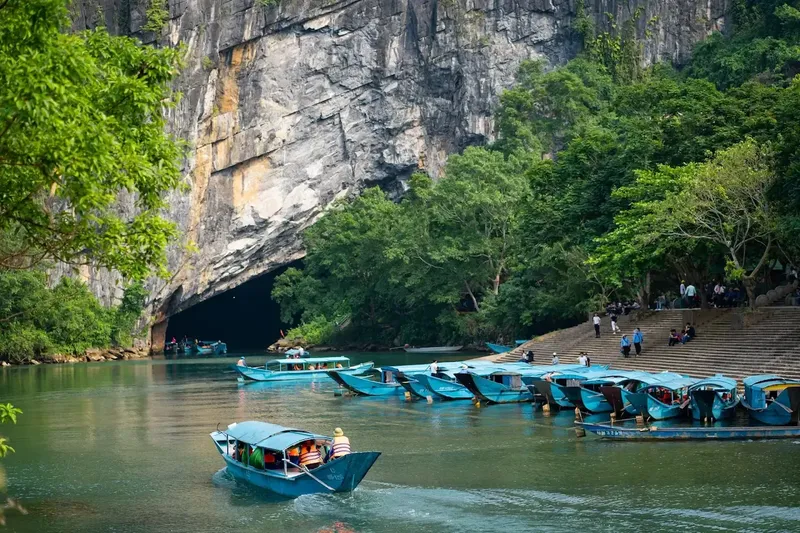
Leaving the coast, the backpacker trail Vietnam takes a wild turn into nature. Phong Nha-Ke Bang National Park is the adventure capital of the North. It is home to the world’s largest caves. You can explore the massive Paradise Cave, or get muddy zip-lining and swimming in the dark at Dark Cave. The vibe in Phong Nha town is incredibly social and focused on outdoor exploration.
Further north is Ninh Binh, often called “Ha Long Bay on Land.” Instead of the ocean, the massive limestone cliffs rise out of green rice paddies and winding rivers. Staying in a bamboo bungalow in Tam Coc, renting a bicycle, and taking a rowboat tour through the Trang An complex feels like stepping into a movie set (literally, Kong: Skull Island was filmed here).
The north: Hanoi, Ha Long Bay & The Ha Giang Loop
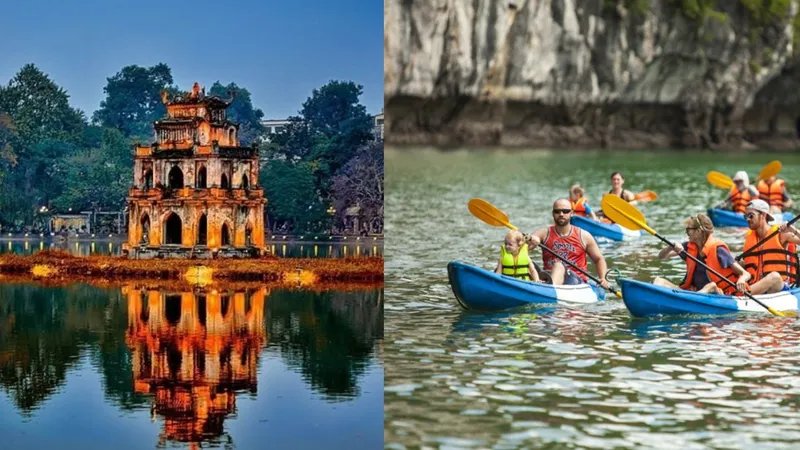
You reach the grand finale: The North. Hanoi, the capital, is older, grittier, and more traditional than Saigon. The Old Quarter is a maze of 36 streets, each dedicated to a specific trade. Here, you sit on tiny plastic stools drinking fresh Bia Hoi and watching the train squeeze through the narrow residential street at Train Street.
From Hanoi, you head to Ha Long Bay (or its quieter neighbor, Lan Ha Bay). Spending a night on a boat surrounded by thousands of limestone islands is iconic. For backpackers, the “Castaway Tour” is legendary for partying, but there are plenty of chill cruises if you prefer kayaking and swimming in peace.
Finally, for the brave, there is the Ha Giang Loop. This 3 to 4 days motorbike journey along the Chinese border is widely considered the highlight of the entire backpacker Vietnam route. The roads are dangerous, winding, and steep, but the views of the Ma Pi Leng Pass are unparalleled. It is raw, authentic, and the perfect way to end your Vietnamese odyssey.
Recommended itineraries for every timeline
Vietnam is long. It looks small on a map, but travel times are slow. To fully enjoy the backpacker trail in Vietnam, you need to manage your visa time wisely.
The 2-week “express” trail
If you only have two weeks, attempting the full length of the country will burn you out. You will spend more time on a bus than on a beach.
- Strategy: Focus on one half or use domestic flights.
- The Route: Start in Hanoi -> Halong Bay cruise (2 days) -> Fly to Da Nang -> Hoi An (3 days) -> Fly to HCMC -> Mekong Delta day trip -> HCMC departure.
- Alternative: Stick strictly to the North (Hanoi, Sapa, Ha Giang, Ninh Binh, Halong) for a deep cultural dive.
The 1-month “deep dive” route
This is the holy grail. With 30 days, you can do the full Vietnam backpacking route south to north (or vice versa) without rushing.
- The Route: HCMC (3 days) -> Mui Ne (2 days) -> Da Lat (3 days) -> Hoi An (4 days) -> Hue (2 days) -> Phong Nha (3 days) -> Ninh Binh (2 days) -> Hanoi (3 days) -> Ha Giang Loop (4 days) -> Ha Long Bay (3 days).
- Flexibility: This allows “buffer days” for when you inevitably fall in love with Hoi An or get food poisoning for a day.
Transport: How to Move Around Vietnam
Logistics in Vietnam are surprisingly easy, but they come with their own quirks. Understanding the transport network is key to conquering the backpacker trail Vietnam.
The “Open bus” ticket explained
For decades, the “Open Bus” ticket has been the backpacker’s best friend. You buy one ticket that covers the route from HCMC to Hanoi (or vice versa), and you can hop off at any major city along the way. When you are ready to leave, you just call the office a day in advance to book your seat on the next bus.
While cheap and convenient, be warned: sleeper buses in Vietnam are designed for locals, meaning the beds are short and narrow. If you are over 6 feet tall, it might be a tight squeeze.

Buying vs renting a motorbike
The romantic image of buying a cheap motorbike and riding the entire length of Vietnam is a classic dream.
However, it comes with risks. Police crackdowns on foreigners without valid licenses are increasing, and cheap bikes break down constantly.
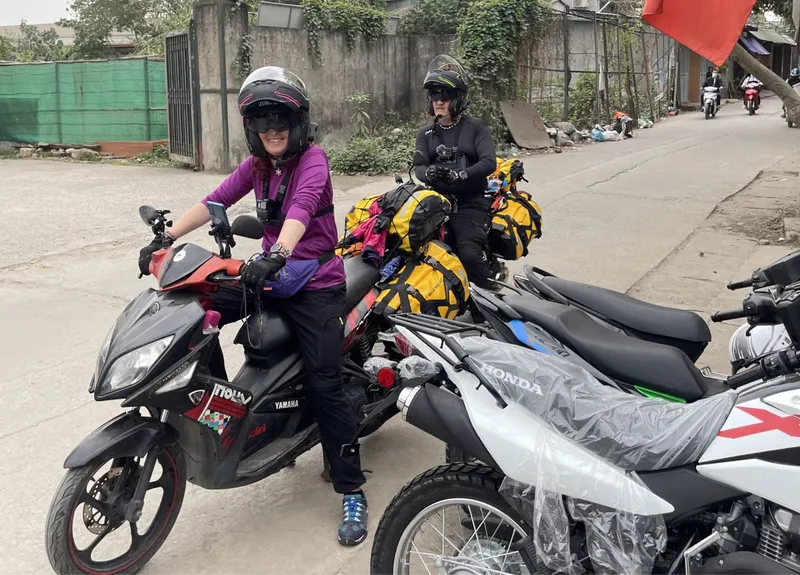
A modern alternative is renting scooters in each location. You can rent a bike in Hue and drop it off in Hoi An, or rent a semi-automatic in Ha Giang specifically for the loop.
This gives you the freedom of riding the best scenic parts without the headache of maintaining a dying machine for 2,000km.
Trains and domestic flights
Don’t ignore the Reunification Express train. It is slower than the bus but much more comfortable and scenic, especially the leg between Da Nang and Hue which hugs the cliffside coastline.
For long jumps (like HCMC to Da Nang), domestic flights with VietJet or Bamboo Airways can sometimes be as cheap as a train ticket if booked in advance, saving you 20 hours of travel time.

Budget breakdown for backpackers
Vietnam remains one of the cheapest countries in the world to travel. However, inflation happens, and “tourist pricing” is real.
Daily Budget Estimates:
- Shoestring ($25 – $30 USD/day): Staying in large dorms, eating strictly street food (Banh Mi, Pho), drinking Bia Hoi, and taking slow buses.
- Flashpacker ($45 – $60 USD/day): Private rooms or boutique hostels, a mix of street food and restaurants, domestic flights, and guided tours (like Canyoning or Caving).
Cost Examples:
- Hostel Dorm Bed: $5 – $9 USD (often includes free breakfast).
- Street Food Meal: $1.50 – $3 USD.
- Local Beer (Bia Hoi): $0.20 – $0.50 USD.
- Sleeper Bus Ticket: $10 – $15 USD (depending on distance).
- Sim Card (1 Month Data): $10 – $12 USD.
While day-to-day life is cheap, remember to budget extra for the “Big Ticket” experiences on the backpacker trail Vietnam. The Ha Giang Loop tour can cost, and a decent Halong Bay cruise is around $100+.
Essential survival tips for the trail
To keep your trip smooth and safe, you need to be street-smart. Here is the updated survival guide for the backpacker Vietnam route.
Visas and border runs
Great news for 2025: Vietnam now offers a 90-day E-visa for citizens of all countries. This is a game-changer for backpackers who used to be limited to 30 days. You must apply online before arrival.
If you want to stay longer, you will need to do a “border run” (exiting to Laos or Cambodia and re-entering), as visa extensions within the country are currently difficult and expensive.
Avoiding common tourist traps
While Vietnamese people are incredibly hospitable, scams exist in tourist hubs.
- The Cyclo/Taxi Scam: Always agree on a price before getting in, or stick to booking apps.
- The Shoe Shiner: In Hanoi, someone might point at your shoes and start gluing or cleaning them without asking, then demand money. Just say a firm “No” and keep walking.
- The Money Confuse: The 20,000 VND and 500,000 VND notes look similar (both blue). Always check your zeros before handing over cash.
Digital tools & apps you need
Vietnam is highly digital. To navigate the backpacker trail Vietnam like a pro, download these apps:
- Grab / Gojek / Be: The Uber of Southeast Asia. Use these for motorbike taxis and food delivery. No bargaining needed.
- Google Translate: Download the Vietnamese language pack for offline use. The camera feature is a lifesaver for translating menus.
- 12Go.Asia / Baolau: The best sites to check schedules and book trains, buses, and ferries online reliably.
- WhatsApp / Zalo: Most hostels and tour operators communicate via WhatsApp. Zalo is the local Vietnamese equivalent.
Final words
Traveling the backpacker trail Vietnam is more than just checking sightseeing boxes. It is about the morning coffee culture on a sidewalk, the thrill of navigating chaotic traffic, and the quiet moments watching the sunset over a limestone mountain.
Whether you have two weeks or two months, the route from North to South (or South to North) offers an adventure that is equal parts challenging and rewarding.
So, pack light, download your maps, and get ready. The trail is waiting, and the first Banh Mi is going to taste better than you can imagine.

