
Navigating the bustling streets of Hanoi or the winding roads of the Ha Giang Loop requires more than just a sense of adventure; it requires a reliable connection. For independent travelers and backpackers, a smartphone is not a luxury – it is a survival tool. From booking last-minute hostels on Agoda to translating local menus and ordering a Grab bike to avoid taxi scams, connectivity is the backbone of a successful trip.
Finding the right Vietnam tourist sim card is often the very first task upon landing. However, the market can be confusing with various providers, fluctuating prices at airports, and the technical debate between eSIMs and physical chips. This guide provides a practical, data-driven analysis to help travelers secure the best connection at the most transparent price.
Why having a local SIM card is crucial for backpackers
While many cafes and hostels in Vietnam offer free Wi-Fi, relying solely on public hotspots is a strategic error for any serious backpacker. The nature of backpacking involves movement through areas where Wi-Fi is nonexistent, particularly during transit or in rural explorations.
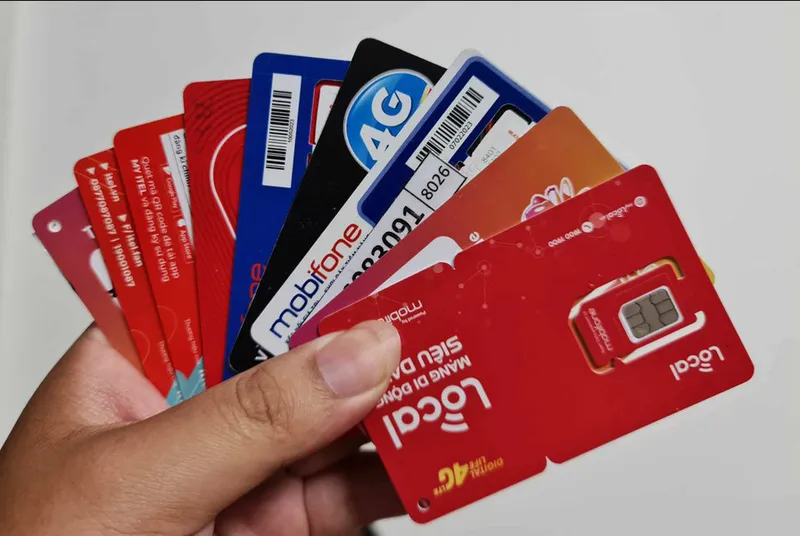
A dedicated Vietnam tourist sim card serves four critical functions that directly impact the budget and safety of a traveler:
Navigation in Remote Areas
Vietnam’s geography is complex. Popular backpacking routes, such as the northern mountainous loops or the central coastal drives, rely heavily on GPS.
Google Maps acts as a primary navigational tool. Without active mobile data, getting lost on a mountain pass in Cao Bang or failing to find a homestay in the Mekong Delta is a real risk.
Cost-Effective Transportation
Traditional taxis in tourist hubs can be expensive, and price gouging is an occasional issue. Ride-hailing apps like Grab, Be, and Gojek provide transparent pricing and are significantly cheaper.
These apps require a constant data connection and a local phone number for drivers to contact you, making a tourist sim card in Vietnam essential for budget management.
Real-Time Translation and Communication
English proficiency varies across regions. In major cities, communication is manageable, but in rural villages, it is limited. Google Translate (especially the image and voice features) bridges this gap. Furthermore, keeping in touch with fellow travelers via WhatsApp or updating family on social media requires consistent data.
Flexibility in Accommodation
Backpacking often means unstructured itineraries. The ability to book a hostel bed via Hostelworld or Booking.com while sitting on a bus to the next city allows for flexibility. Without data, travelers are forced to plan everything in advance or pay higher “walk-in” rates at hotels.
Physical SIM vs. eSIM: what is the best choice?
The technology landscape for travel connectivity has shifted. Travelers now face a choice between the traditional physical SIM card and the modern eSIM. Understanding the technical differences and compatibility is vital before making a purchase.
Physical SIM Cards
This is the standard plastic chip inserted into the phone. It is the most universally compatible option, working with unlocked phones from any generation. Physical SIMs are widely available at airports, street vendors, and official stores.
The primary disadvantage is the inconvenience of removing the home country SIM, which risks it being lost or damaged. For backpackers using older phone models or budget devices, this remains the standard choice for a Vietnam tourist sim card.
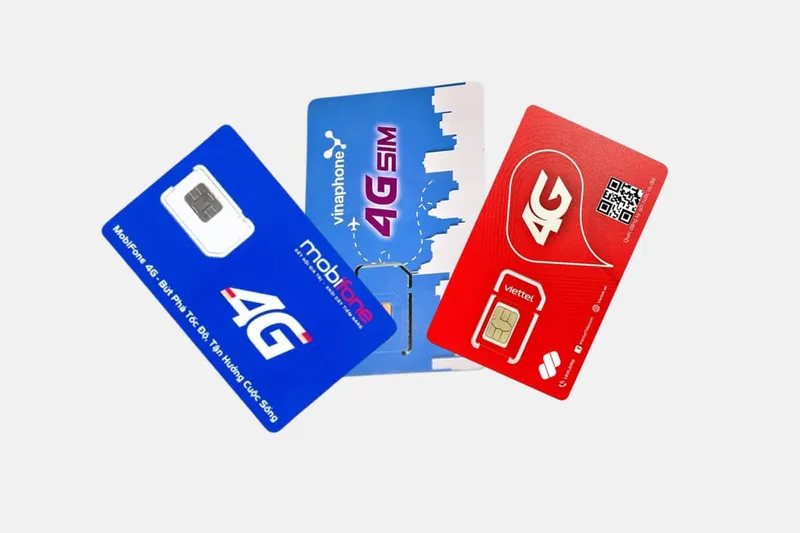
eSIM Technology
An eSIM (embedded SIM) is a digital SIM that allows users to activate a cellular plan without a physical card. This is increasingly popular among digital nomads and backpackers with newer smartphones (iPhone XR and newer, Google Pixel 3 and newer, etc.).
The main advantage is that users can keep their home SIM in the phone to receive OTPs from banks while using the Vietnam eSIM for local data. It eliminates the physical swapping process.
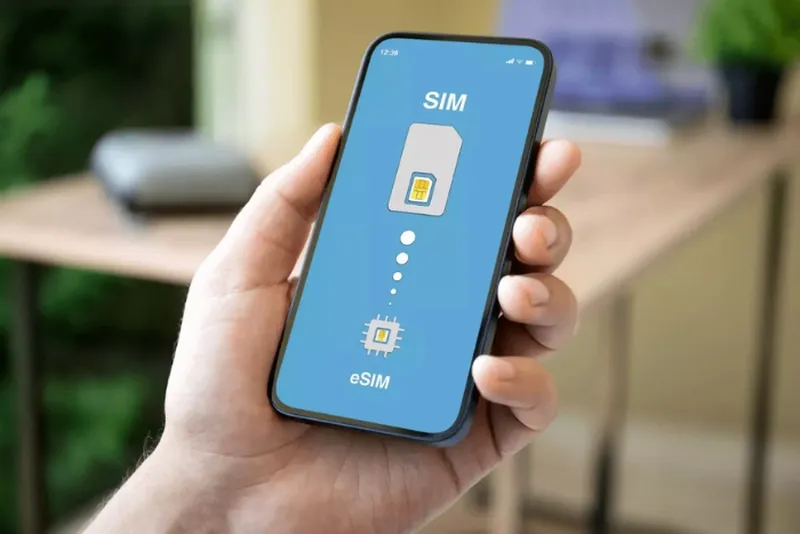
The following table compares the two options based on practical travel criteria:
| Feature | Physical SIM Card | eSIM |
| Availability | Ubiquitous (Airports, Stores, street vendors). | Online (Apps like Airalo, Nomad) or specific carriers. |
| Price | Generally cheaper, especially for local packages. | Slightly higher per GB, but prices are normalizing. |
| Convenience | Low. Requires a SIM ejector tool and safe storage. | High. Activated via QR code or App settings. |
| Network Stability | Excellent (Dependent on carrier). | Excellent (Dependent on carrier partnership). |
| Device Support | All unlocked GSM phones. | Limited to newer, eSIM-compatible devices. |
For a backpacker prioritizing absolute lowest cost, a physical sim card tourist Vietnam purchased in the city is the winner. For those prioritizing convenience and safeguarding their primary SIM, the eSIM is superior.
Top mobile providers in Vietnam: who has the best coverage?
Not all networks are created equal. In Vietnam, three major players dominate the market: Viettel, Vinaphone, and Mobifone. For a backpacker planning to go off-the-beaten-path, choosing the right provider is more important than saving a dollar on the package price.
Viettel
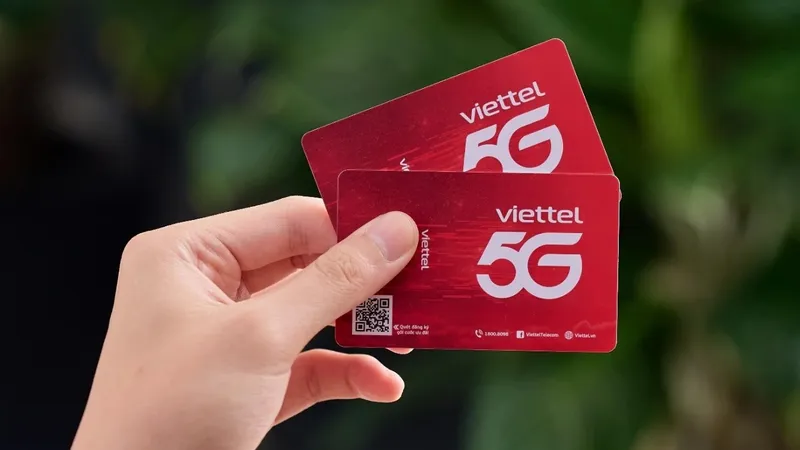
Viettel is owned by the Ministry of National Defence and possesses the most extensive infrastructure in the country. It covers approximately 95% of Vietnam’s territory, including deep rural areas, islands, and mountainous borders.
For travelers planning to ride the Ha Giang Loop, explore the caves of Phong Nha, or trek in Sapa, Viettel is the best Vietnam sim card for tourists.
Statistics show that Viettel consistently maintains 4G signals in areas where other networks revert to 2G or lose signal entirely. If the itinerary involves leaving the main cities, Viettel is the mandatory choice.
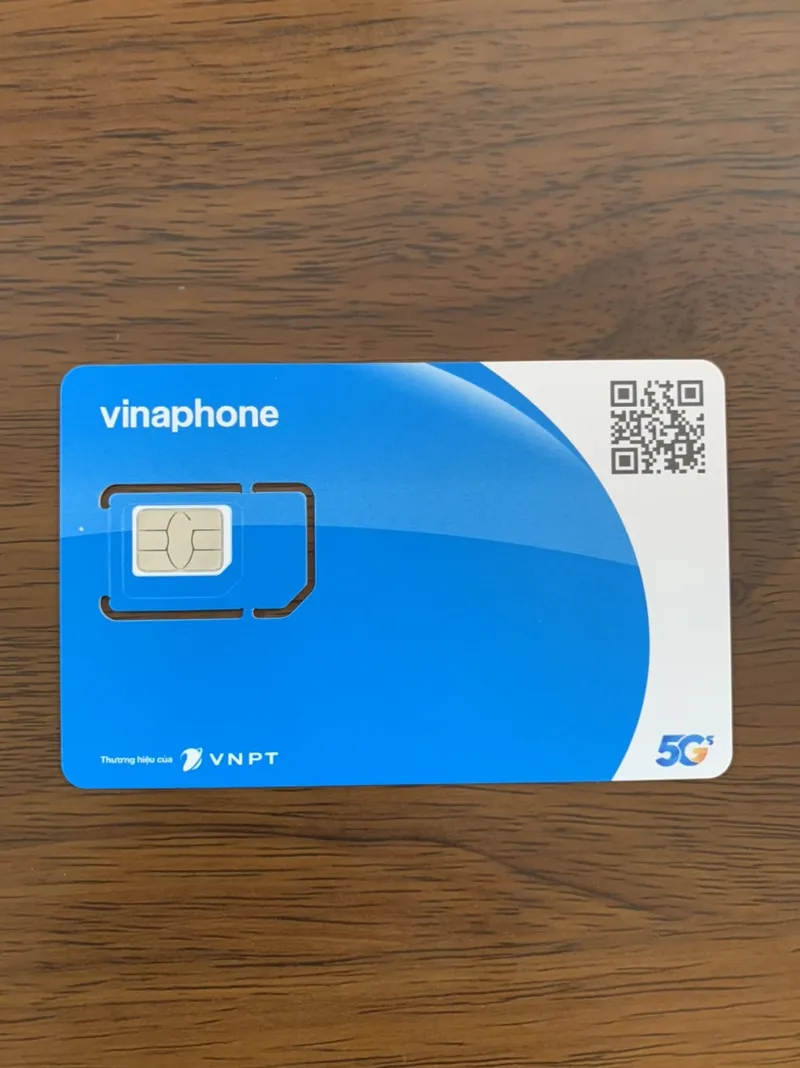
Vinaphone
Vinaphone is the second-largest provider and offers a robust network, particularly strong in urban centers (Hanoi, Ho Chi Minh City, Da Nang) and the Mekong Delta region. Their 4G speeds are comparable to Viettel in populated areas.
For backpackers sticking to the “Banana Pancake Trail” (the main coastal route) or spending time on islands like Phu Quoc, a Vinaphone Vietnam tourist sim card is a reliable alternative. They often offer competitive data packages that rival Viettel’s pricing.
Mobifone & others
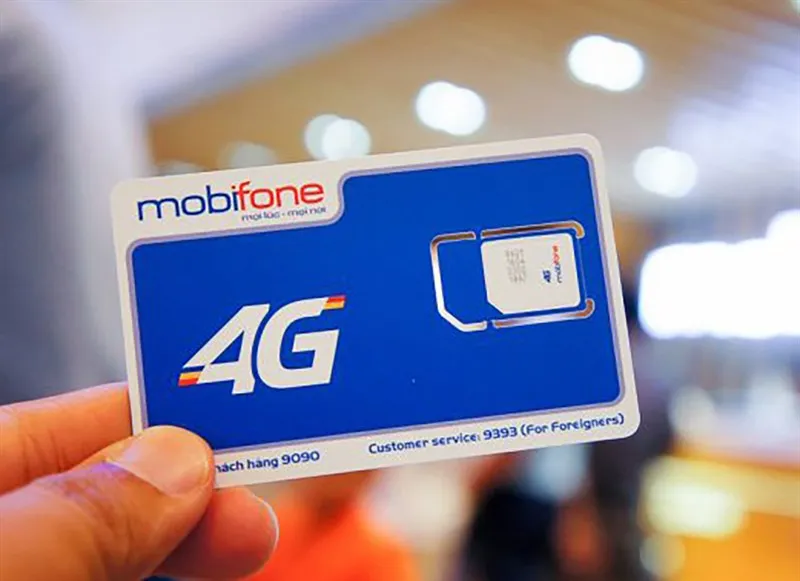
Mobifone is the third major carrier. While its service is excellent within major metropolitan areas, signal degradation is noticeable in remote provinces. Smaller providers like Vietnamobile offer incredibly cheap data packages (sometimes offering unlimited data for very low prices), but their coverage is severely limited to cities.
These providers are suitable only if the traveler intends to stay strictly within Hanoi, Da Nang, and Ho Chi Minh City. For a true backpacker experience involving rural transit, relying on these smaller networks is a risk.
Best Vietnam tourist sim card plans and prices
Backpackers are price-sensitive but data-hungry. Understanding the local pricing structure is the best defense against being overcharged. Tourist SIM packages typically prioritize data (GB) over voice minutes, as travelers rely on apps like WhatsApp or Messenger for calls.
When searching for the best tourist sim card Vietnam , travelers will encounter two main types of billing:
- Data-only packages: Cheaper, strictly for the internet.
- Combo packages: Include Data + Local Minutes (useful for calling hotels or Grab drivers).
Current market rates indicate that a substantial data plan (2GB – 4GB per day) should cost between 150,000 VND and 350,000 VND ($6.00 – $14.00 USD) for a 30-day period.
Below is a comparative look at popular specifications found in a high-value Vietnam tourist sim card:
| Plan Type | Typical data allowance | Validity | Est. Price (City Store) | Est. Price (Airport) | Suitable For |
| Basic Data | 1GB – 2GB / Day | 30 Days | ~150,000 VND ($6) | ~250,000 VND ($10) | Light browsing, Maps. |
| High Data | 4GB – 6GB / Day | 30 Days | ~200,000 VND ($8) | ~350,000 VND ($14) | Social Media, Video calls. |
| Unlimited | Unlimited Data (High speed capped) | 30 Days | ~300,000 VND ($12) | ~500,000 VND ($20) | Heavy users, Digital Nomads. |
| Short Term | Unlimited / Fixed GB | 7-15 Days | ~120,000 VND ($5) | ~200,000 VND ($8) | Short trips. |
Note: Prices are approximate and subject to change by network operators. Airport kiosks often add a service surcharge.
The best Vietnam sim card for tourists is generally a Viettel package offering around 4GB/day. This volume allows for comfortable usage of Instagram, video streaming, and constant navigation without fear of depletion.
Where to buy a SIM card: airport vs city vs online
The location of purchase dictates the price and the legitimacy of the SIM card. Backpackers often face a dilemma: buy immediately for convenience or wait for a better deal.
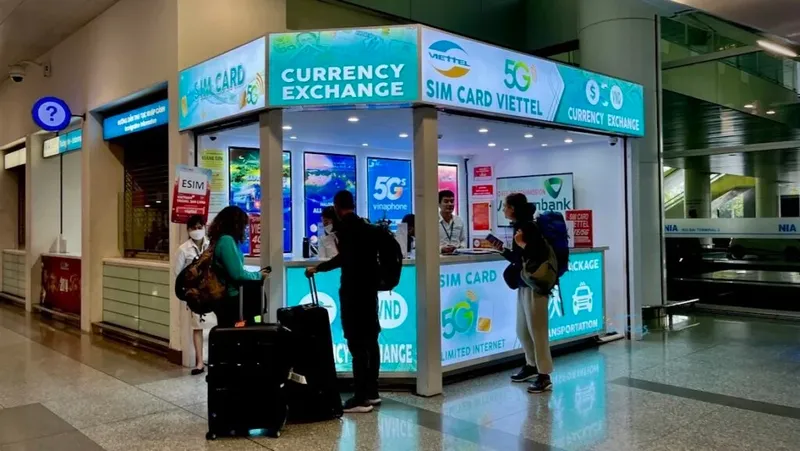
Buying at the airport (Convenient but pricey)
Upon arrival at Noi Bai (Hanoi) or Tan Son Nhat (Ho Chi Minh City), travelers are greeted by rows of kiosks selling the Vietnam tourist sim card.
- Pros: English-speaking staff, immediate connectivity, staff handles the registration and installation.
- Cons: Prices are significantly inflated – often 30% to 50% higher than street prices. The packages sold are often labeled as “Unlimited” but may have hidden speed caps.
- Verdict: Suitable for short trips or those who value time over budget.
Buying in the city centers (Cheapest option)
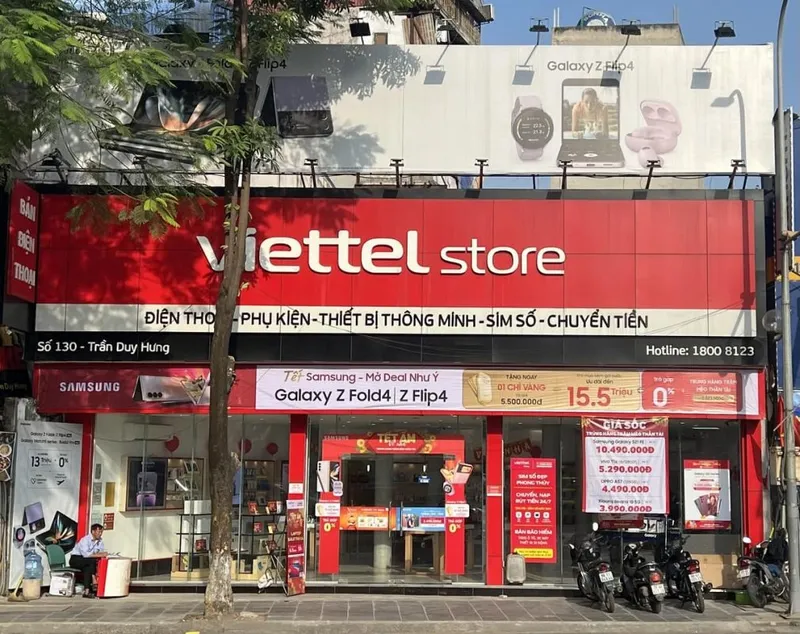
For the budget-conscious backpacker, buying a sim card tourist Vietnam in the city is the optimal route. Official carrier stores (Viettel Store, Vinaphone Store) are scattered throughout major cities. Additionally, authorized dealers in backpacker districts (like the Old Quarter in Hanoi or Bui Vien in HCMC) sell SIMs.
- Pros: Genuine local prices (150,000 – 200,000 VND), access to standard monthly plans rather than “tourist” markups.
- Cons: Requires navigating to the store without internet (unless using offline maps).
- Verdict: The best option for long-term travelers and strict budgeters.
Buying online via apps (Hassle-free)
This method utilizes eSIM technology. Travelers can purchase a tourist sim card in Vietnam plan via apps like Airalo, Nomad, or Klook before departing their home country.
- Pros: Connectivity is active the moment the plane lands. No negotiation is needed.
- Cons: Often more expensive per GB than local physical SIMs. Requires an eSIM-compatible phone.
- Verdict: Ideal for tech-savvy travelers who want to skip the kiosk queues.
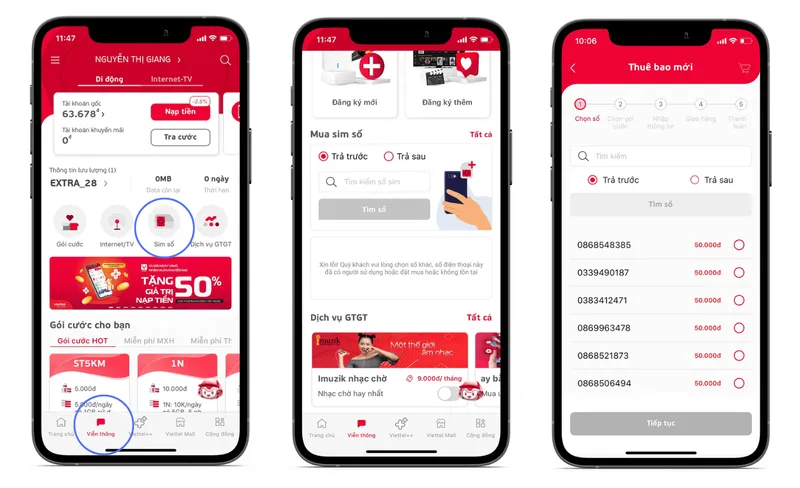
Requirements and how to activate your SIM card
Vietnam has tightened regulations regarding SIM card registration to combat spam and anonymity. Purchasing a Vietnam tourist sim card is no longer a “grab and go” process without documentation.
Do you need a passport?
Yes. According to Vietnamese telecommunication laws, every SIM card must be registered to a specific individual. When purchasing from an official store or an airport kiosk, travelers must present a valid passport. The staff will take a photo of the passport and the traveler to register the SIM on the national database.
Warning: If a vendor sells a sim card Vietnam tourist without asking for a passport, it is likely a “pre-activated” or “ghost” SIM. These cards are registered under fake names and carry a high risk of being blocked by the network provider without warning. Backpackers should avoid these to prevent losing connection mid-trip.
Activation and checking balance syntax
Once the SIM is installed, the activation is usually instant. However, knowing the USSD codes (short codes) is essential for monitoring data usage.
For Viettel:
- Check Balance: Dial *101#
- Check Data Remaining: Text KTTK to 191
For Vinaphone:
- Check Balance: Dial *101#
- Check Data Remaining: Text DATA to 888
For Mobifone:
- Check Balance: Dial *101#
- Check Data Remaining: Text KT DATA to 999
Travelers are advised to ask the salesperson to demonstrate that 4G is working and to perform the balance check before leaving the counter.
Common issues and troubleshooting tips
Even with the best Vietnam sim card for tourists, technical hiccups can occur. Here are data-driven solutions to common problems.
How to top up data for long-term stays
Most tourist SIMs come with a 30-day validity. For travelers staying longer (e.g., typically a 3-month E-visa), topping up is necessary.
- Scratch Cards: Buy a top-up card at convenience stores (Circle K, WinMart, 7-Eleven). Dial the code on the card to add credit, then text the syntax to renew the data plan.
- Apps: Use third-party apps like Momo or ZaloPay (requires a local bank link usually, which is hard for tourists) or stick to the carrier’s official app (MyViettel, MyVNPT) which sometimes accepts international cards.
- Local Agency: Visit a travel agency or carrier store to pay cash for a renewal.
What to do if you lose signal?
In mountainous regions, signal can be spotty.
- Toggle Airplane Mode: Turning airplane mode on for 10 seconds and off again forces the phone to search for the nearest cell tower, often restoring 4G connection.
- Manual Network Selection: In settings, switch from “Automatic” to “Manual” network selection. Sometimes a partner network is available.
- Switch to 3G: If 4G is weak, forcing the phone to use 3G can sometimes provide a slower but more stable connection for basic maps and messaging.
Frequently asked questions about sim card Vietnam tourist
Can I use my locked phone in Vietnam?
No. A Vietnam tourist sim card will only work on carrier-unlocked phones. If the phone is locked to a provider (like AT&T or EE), it will not accept a Vietnamese SIM. Travelers must contact their home carrier to unlock the device before flying or use a portable Wi-Fi device.
Is 5G available everywhere?
No. While Vietnam is rolling out 5G, it is currently limited to central districts of major cities (Hanoi, HCMC, Da Nang). For the vast majority of the country, 4G/LTE is the standard. Do not pay extra for a “5G specific” plan as the coverage area is too small to be worth the premium for a backpacker.
What happens if I don’t use the SIM for a month?
If the balance reaches zero and no activity occurs for a set period (usually 60 days), the carrier will recycle the number. The SIM card becomes permanently invalid.
Can I make international calls with a tourist SIM?
Standard tourist packages usually do not include international minutes. International calls made via the cellular network are expensive. It is highly recommended to use data-based apps like FaceTime, WhatsApp, or Skype for international communication.
Is it possible to switch numbers to an eSIM later?
Yes, official Viettel or Vinaphone stores can convert a physical SIM to an eSIM for a small fee (approx. 25,000 VND), provided the user has the registered passport and the physical SIM in hand.
In conclusion, securing a Vietnam tourist sim card is a straightforward process that yields immense value. For the ultimate balance of price and performance, a Viettel physical SIM or eSIM with a 4GB/day data plan, purchased either online or at a city store, stands out as the superior choice for any backpacker exploring Vietnam in 2025.

