
So, you’ve booked your ticket to Vietnam. You are ready for the world-famous street food, the limestone karsts of Ha Long Bay, and the chaotic charm of Hanoi. But now you are staring at your empty backpack, and the panic is setting in.
Packing for Vietnam is notoriously tricky. Why? Because the country is long and skinny, meaning it has three distinct climate zones. You could be freezing in a foggy mountain town in the North one day and sweating on a tropical beach in the South the next. Plus, there is the cultural question: what is appropriate to wear in temples versus the nightlife districts?
Don’t worry. Whether you are motorbiking the Ha Giang Loop or lounging in Hoi An, this guide covers everything. I have combined expert travel advice with practical, on-the-ground experience to create the only Vietnam packing list you will ever need.
Let’s get your bag packed so you can focus on the adventure.
Table of Contents
Understanding Vietnam’s weather before you pack
Before we throw clothes into a bag, you need to know what you are walking into. The biggest mistake travelers make is assuming Vietnam is hot everywhere, all the time.
If you are traveling from November to March, you need to be strategic.
- Northern Vietnam (Hanoi, Sapa, Ha Long Bay): It is actually winter here. Temperatures can drop to 10°C (50°F) or lower in the mountains. It is misty, damp, and chilly.
- Central Vietnam (Hue, Da Nang, Hoi An): This is the rainy season. Expect frequent downpours and mild temperatures.
- Southern Vietnam (Ho Chi Minh City, Mekong Delta, Phu Quoc): It is dry and hot. Very hot.
The Strategy: Layering is your best friend. Your Vietnam packing list needs to be versatile enough to handle a chill in the North and the humidity of the South.
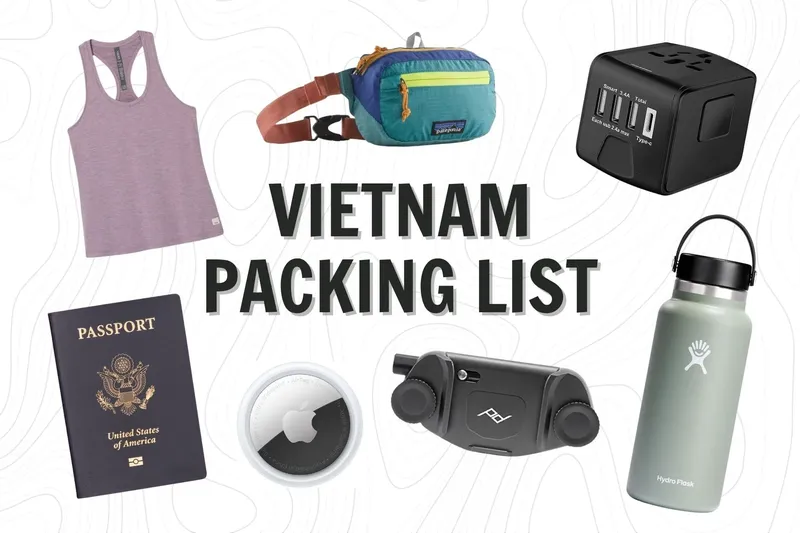
The “Must-Have” essentials: Documents & money
These are the non-negotiables. You can buy a t-shirt in Saigon, but you can’t buy a passport. When considering what to pack for Vietnam, start here.
Essential Documents
- Passport: Ensure it is valid for at least 6 months beyond your arrival date.
- Visa: Most travelers now use the E-Visa (valid for up to 90 days). Print two paper copies of your E-Visa approval. Immigration officers often ask for the physical copy, and it helps if the system goes down.
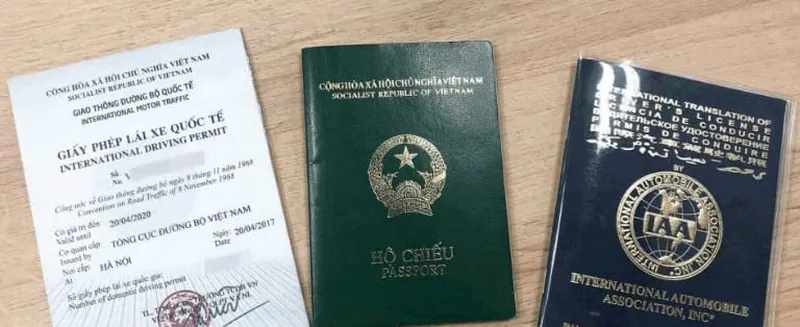
- International Driving Permit (IDP): If you plan to drive a motorbike, this is mandatory. Your home license is technically not valid on its own, and police checks are common in tourist areas like Ha Giang.
- Travel Insurance Policy: Save the emergency number and policy number on your phone. Vietnam is safe, but food poisoning or motorbike scrapes do happen.
Money Matters
- Debit/Credit Cards: Bring at least two cards (e.g., Visa and Mastercard). Keep them in separate bags in case one is lost or swallowed by an ATM. Cards like Revolut, Wise, or Monzo are excellent for saving on transaction fees.
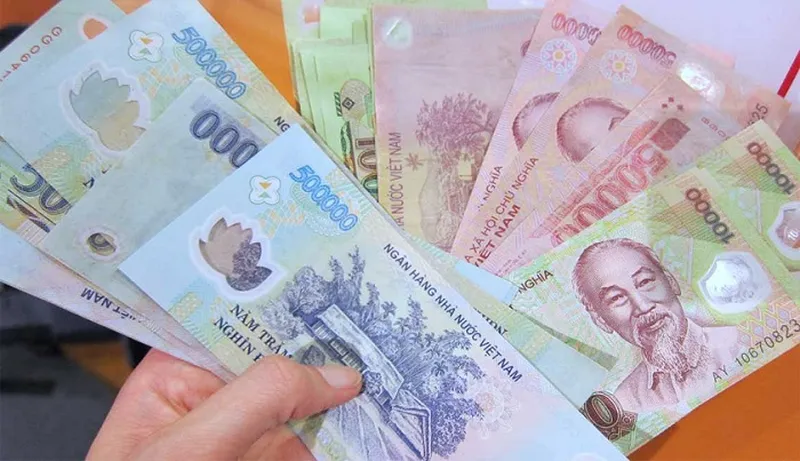
- Cash (USD): Bring some crisp, clean US dollars. They are useful for emergencies or high-end transactions, though you will use Vietnamese Dong (VND) for 99% of daily spending.
- A Coin Purse: Vietnam is a cash economy. You will end up with pockets full of paper notes (VND doesn’t use coins, but the small notes accumulate fast).
Digital essentials (Apps & connectivity)
- eSIM: Don’t rely on hotel Wi-Fi. Buy an eSIM (like Airalo) before you land, or pick up a physical SIM (Viettel is best for coverage) at the airport.
- Booking Apps: Grab (The Uber of Southeast Asia), Be, XanhSM. You will use this for bikes, cars, and food delivery.
- Zalo: The local messaging app (like WhatsApp). If you book tours or make local friends, they will ask for your Zalo. To create a Zalo account, you need a phone number that can be called to register.
- Google Translate: Download the Vietnamese language pack for offline use.
Choosing your luggage: Backpack or suitcase?
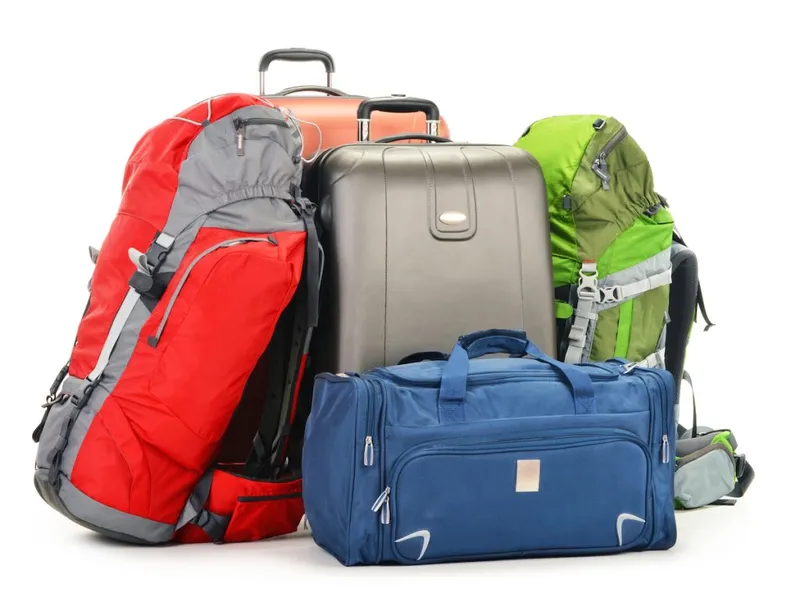
This is often the first dilemma travelers face. While you might be tempted to bring your hard-shell spinner suitcase, you should carefully consider the terrain you will be navigating.
Vietnam’s sidewalks are often uneven, crowded with parked motorbikes, or doubling as impromptu cafes. Dragging a suitcase through this – or trying to haul it onto a local bus or ferry – can quickly become a nightmare.
For most people, especially those planning to move around between cities, a backpack is the superior choice. It allows you to be hands-free and agile.
- Travel Backpack (40L – 50L): A bag this size is the sweet spot. It is large enough to hold everything you need but small enough to fit in the overhead bins of most airlines (saving you check-in fees) and sit on your lap in a crowded minivan.
- Daypack (15L – 20L): You will also need a smaller bag for daily adventures. A comfortable daypack or a secure crossbody bag is essential for carrying your water, camera, and rain jacket while your main luggage stays at the hotel.
Clothing: What to wear in Vietnam
Deciding what to bring to Vietnam in terms of clothing requires balancing comfort, climate, and culture. The humidity here can be intense, so your priority should always be fabrics that breathe. Cotton blends, linen, and moisture-wicking synthetics are excellent choices because they dry relatively quickly.
You should avoid heavy denim at all costs; if jeans get wet in Vietnam, they can take days to dry and will feel incredibly heavy in the heat.
When it comes to style, Vietnam is generally casual, but it is also a conservative country. While shorts and tank tops are perfectly acceptable in tourist hubs and beach towns, dressing a bit more modestly in rural areas will earn you more respect.
A good rule of thumb is the “3-Day Rule”: pack enough clothes for about 3 to 5 days and plan to do laundry. Laundry services are available on almost every street corner and cost about $1 per kilogram, so there is no need to overpack.
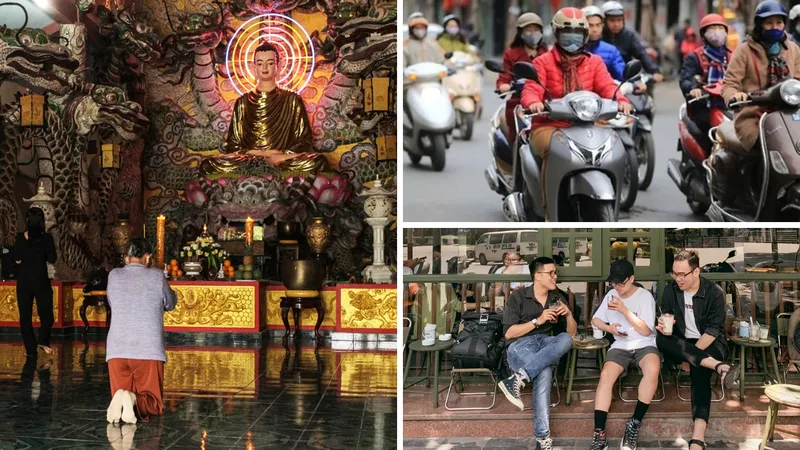
Here is a breakdown of the clothing items you should prioritize:
- Tops: 4-5 loose-fitting t-shirts or tank tops.
- Bottoms: 2 pairs of lightweight shorts and 1-2 pairs of long trousers (linen or light cotton). Zip-off hiking pants are surprisingly practical here, serving as both shorts for the heat and long pants for temples or mosquitoes.
- Outerwear: If you are visiting the North in winter (Dec-Feb), bring a lightweight down jacket and a fleece. If you are only visiting the South, a simple lightweight hoodie for air-conditioned buses is enough.
- Cultural Wear: A sarong or large scarf is one of the most versatile things to take to Vietnam. It takes up zero space but can be instantly wrapped around your waist to cover your knees when entering temples.
- Underwear & Socks: Pack enough for a week.
Your choice of shoes can make or break your trip. Since you will likely be walking thousands of steps a day or hopping on and off motorbikes, comfort is key.
- Walking Sandals: Sturdy sandals (like Teva or Chaco) are the MVP of Vietnam travel. They keep your feet cool, handle the rain perfectly, and are secure enough for light hiking.
- Lightweight Sneakers: You need one pair of closed-toe shoes. These are essential for walking in cities, riding motorbikes safely, or trekking in dry conditions.
- Flip-flops: A cheap pair for hostel showers, beach days, or quick runs to the convenience store.
Toiletries & health kit (Don’t skip this)
When you are compiling your packing list for Vietnam, you don’t need to bring your entire bathroom cabinet. Vietnam has excellent availability of standard toiletries like shampoo, soap, and toothpaste at convenience stores like Circle K, 7-Eleven, and WinMart.
However, there are specific health and hygiene items that are either expensive or difficult to find locally, and these are the ones you should prioritize packing.
The most critical addition to your bag is a specialized first aid kit. “Vietnam Belly” is a real possibility, and having the right medication on hand can save your trip from being ruined by a bad meal.
- Sun Protection: High-quality sunscreen is surprisingly expensive in Vietnam and often contains skin-whitening agents, which many Western travelers prefer to avoid. Bring your favorite brand from home.
- Bug Defense: Dengue fever is a risk in tropical climates. Pack a strong mosquito repellent containing DEET or Picaridin, especially for the evenings or trekking trips.
- Stomach Relief: Pack Imodium (Loperamide) for travel emergencies, electrolytes (rehydration salts) to recover from dehydration or food poisoning, and activated charcoal.
- Sanitization: Soap isn’t always available in public restrooms, so a small bottle of hand sanitizer is a daily essential.
- Feminine Hygiene: Tampons can be hard to find outside of major cities (pads are the norm). If you use them, bring a sufficient supply for your entire trip.
- Eco-Friendly Swaps: Consider solid shampoo bars and deodorants. They save weight, eliminate plastic waste, and won’t leak in your bag.
Electronics & gadgets
For the modern traveler, electronics are a huge part of the packing for Vietnam equation. The goal is to stay connected and powered up without weighing your bag down with unnecessary gear. Vietnam uses a standard 220V voltage, so if you are coming from a country with 110V (like the US), make sure your devices are dual-voltage or bring a converter.
In terms of plugs, you will encounter a mix of Type A (two flat pins), Type C (two round pins), and occasionally Type G. While most hotel sockets are designed to accept multiple plug types, a Universal Travel Adapter is the safest way to ensure you can charge your devices anywhere.
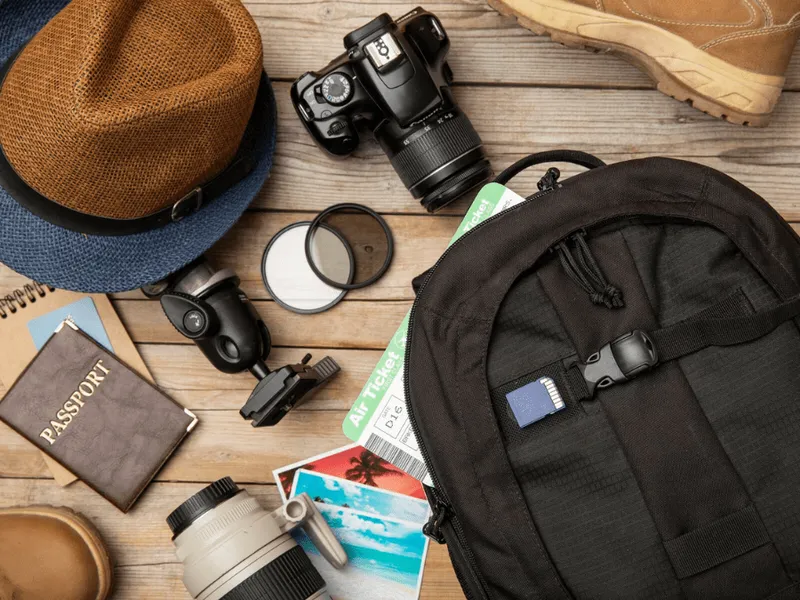
Here are the specific gadgets that are worth the weight:
- Power Bank: This is non-negotiable. Between using Google Maps, Grab, and your camera, your phone battery will drain fast. A 10,000mAh or 20,000mAh bank is crucial, especially for overnight trains or buses where power outlets may not work.
- Photography Gear: If you plan on doing water activities like kayaking in Ha Long Bay, a GoPro or waterproof camera is great. For general security, a simple cable lock can help secure your bag on trains or in dorms.
- Noise Cancelling Headphones: Vietnam is a loud country. From the honking traffic to the chatter on sleeper buses, a good pair of headphones or earplugs will be your sanity saver.
What Not to bring to Vietnam
Knowing what to take to Vietnam is important, but knowing what to leave behind is the secret to a stress-free trip. Overpacking is a common trap, and hauling a heavy bag through the humidity is exhausting. The general rule is: if you are “just in case” packing it, you probably don’t need it.
Here are a few items that usually end up being dead weight:
- Heavy Jeans: They are too hot for the climate, heavy to carry, and nightmare-ish to dry. Stick to lightweight trousers.
- Expensive Jewelry: Flashy watches and diamonds make you a target for snatch theft, which can happen in big cities. It’s safer and more relaxing to leave the valuables at home.
- High Heels: Between the potholes and the uneven pavement, you will not find a good occasion to wear them.
- Too Many Clothes: Remember, shopping in Vietnam is fun and cheap. If you find you need an extra t-shirt, you can buy one at a market for a few dollars.
- Towels: Almost all accommodations, including hostels, provide towels. A small microfiber travel towel is fine for the beach, but a big bath towel takes up way too much space.
Final practical tips for packing
To wrap up your travel essentials for Vietnam, here are a few final tips that can make the difference between a chaotic bag and an organized one.
First, invest in packing cubes. They are absolute game-changers for backpackers. They allow you to compress your clothes to save space and, more importantly, organize your gear so you aren’t dumping your entire bag out just to find a pair of socks. You can also use them to separate your clean clothes from your dirty laundry.
Second, consider the weather’s unpredictability. A rain cover for your backpack is essential; when it rains in Vietnam, it pours, and you don’t want your clothes getting soaked while you are in transit.
Finally, leave a little empty space in your bag. Whether it’s a custom-tailored suit from Hoi An, coffee beans, or lanterns, you will likely want to bring some souvenirs back home.
Frequently Asked Questions (FAQs)
1. Do I need to pack a sleeping bag for Vietnam?
No. Hostels and homestays provide bedding. Even on overnight trekking tours (like in Sapa), blankets are provided. A silk sleeping bag liner can be nice for hygiene, but a full bag is unnecessary.
2. Can I drink the tap water?
No. Never drink tap water in Vietnam. Always buy bottled water or use filtered water stations at your accommodation. Packing a reusable water bottle (like a LifeStraw) is a great eco-friendly move.
3. What should I pack for a motorbike trip?
If you are riding the Hai Van Pass or Ha Giang Loop, bring:Closed-toe shoes (sneakers or boots); Long pants (to protect legs from exhaust burns and sun); A windbreaker/rain jacket; Sunglasses (to keep dust out of your eyes).
4. Is there a dress code for tourists?
Generally, no. You can wear what you want. However, looking respectable helps with interactions. In temples, covering shoulders and knees is mandatory. In nightlife areas, casual wear is standard.
5. Should I bring trekking boots?
Only if you are doing intense trekking in the rainy season. For standard treks in Sapa, a sturdy pair of running shoes or trail runners is usually sufficient and much lighter to carry.
Ready to go?
Creating the perfect Vietnam packing list is about balance. You want to be prepared for the rain and the culture without weighing yourself down. Remember, Vietnam is a developing country with a huge tourism industry – if you forget something, you can almost certainly buy it there.

